
Chocolate is no longer the default behind the little doors of an advent calendar. Today those doors can open on everything from loose-leaf tea to small building sets, and adults may pick one as a reward for themselves. That swaps one big treat for a month of small ones, though the calendar may sit unopened at home if the contents match little of what the buyer already does each day.
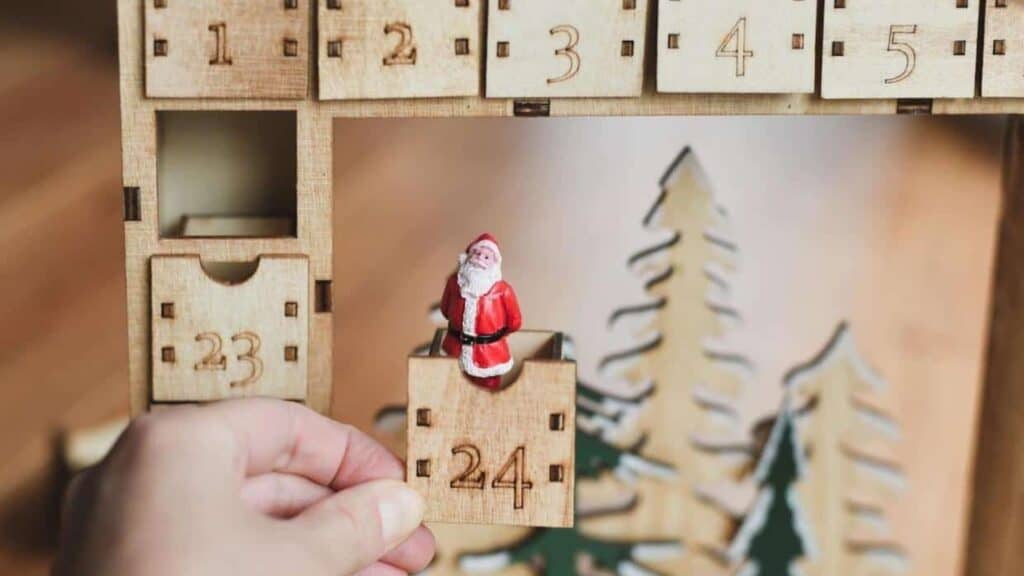
The classic chocolate calendar still has a place on the shelf, but it now holds candles and desk accessories, plus countdowns for dogs and cats. The packaging varies too, with drawers and boxes replacing paper doors, and some designs doubling as holiday decor once the countdown starts. Length varies as well, with 24 days a common count and some cheese and nail sets stopping at a dozen. New ones keep arriving, with this year’s editions turning up since early fall and more still appearing this month.
Many shoppers add themselves to the gift list
Many holiday shopping lists include the shopper. In a recent survey, 57% plan to shop for themselves this holiday season, the fourth consecutive year that more than half have said so. Treating or rewarding themselves was a primary motivation for 67% of those shoppers. The survey puts expected self-spending at an average of $354, up 18% from what consumers report spending on themselves last year. The survey does not single out calendars, and the $354 covers all self-spending. Still, the habit fits a countdown that follows one person’s tastes.
Small rewards show up in everyday spending too. Data showed Gen Z spending at small and mid-sized coffee chains grew more than 25% year over year in June, while Gen Z’s average spending per transaction at bakery, bagel, ice cream and frozen yogurt shops grew more than twice as fast as overall growth. The habit is often called little treat culture, and a calendar can turn one purchase into a small daily reward.
A small test before a big purchase
Beauty advent calendars cover skin care, makeup, hair care and nail care. A shopper can test a cleanser, a serum, a lipstick or a nail color in a small amount before deciding whether it earns a place in a daily routine. Some calendars mix a few full-size items with travel sizes and minis, so a buyer may finish the month with one or two favorites worth buying again.
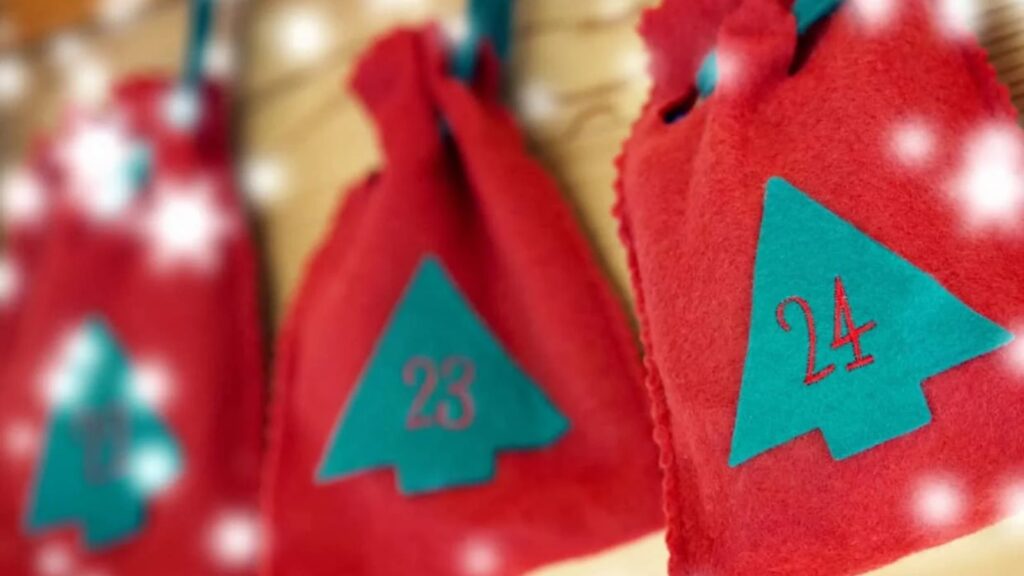
The same routine, with variety
Food and drink calendars take a familiar routine and add variety. A tea calendar can offer a range of loose-leaf blends across the month, and a coffee calendar can arrive as a month of single-serve pods, so the morning cup becomes a small tasting without a commitment to a full-size bag of either. Other calendars are filled with cheese, jam, tinned fish or shortbread, which suits shoppers who would rather sample a month of flavors than commit to a large package of one. Wine and canned cocktail calendars add an adult option for the daily reveal.
Something small to do each morning
Toy calendars are for kids and kids at heart. Building sets, tiny plush toys, stickers and science kits each give a door a small activity, whether that means snapping together a mini model or peeling a new sticker sheet. Science versions bundle mini experiment kits with hands-on activities for each day. Some families open them together, turning the countdown into a shared routine instead of a solo treat. Collectors may like that each door adds one more piece to a set that grows over the month.
A project with a finish line
Puzzle and craft calendars work as a month-long project instead of a product list. Puzzle calendars come as jigsaws and 3D builds, and you can spread the work across the weeks before Christmas, giving the hobby a built-in schedule. Craft calendars can hand over a pack of materials and directions each day, building toward a finished piece by the end of the month. Books extend the format to reading, including calendars of small board books for young children.
Choose for the habit, not the surprise
The daily door gives a reason to return, but the reward has to fit a routine the buyer already has. The same survey found that 54% say sales and promotions drive their holiday self-purchases, and a discount can close the sale before a habit does. Someone who rarely wears makeup may end up with a month of unused samples. Before buying, it may help to ask what the buyer would actually use tomorrow.
Mandy writes about food, home and the kind of everyday life that feels anything but ordinary. She has traveled extensively, and those experiences have shaped everything, from comforting meals to small lifestyle upgrades that make a big difference. You’ll find all her favorite recipes over at Hungry Cooks Kitchen.