
Bright exchange-rate boards can look reassuring after a long flight, especially when a kiosk promises “zero commission.” But what matters is how much foreign currency you receive for the total amount you pay. Airport booths, ATMs, card terminals, and prepaid cards each add different costs. Spot these nine traps before fatigue sets in, and a waiting taxi turns convenience into an expensive decision.
Treating ‘No Commission’ as the Best Deal
A provider can skip a separate commission and still build a margin into its exchange rate. The Australian Competition and Consumer Commission advises comparing the total price, including the quoted rate and every fee. Ask how much local currency a fixed dollar amount will buy. That figure makes competing offers easier to compare.
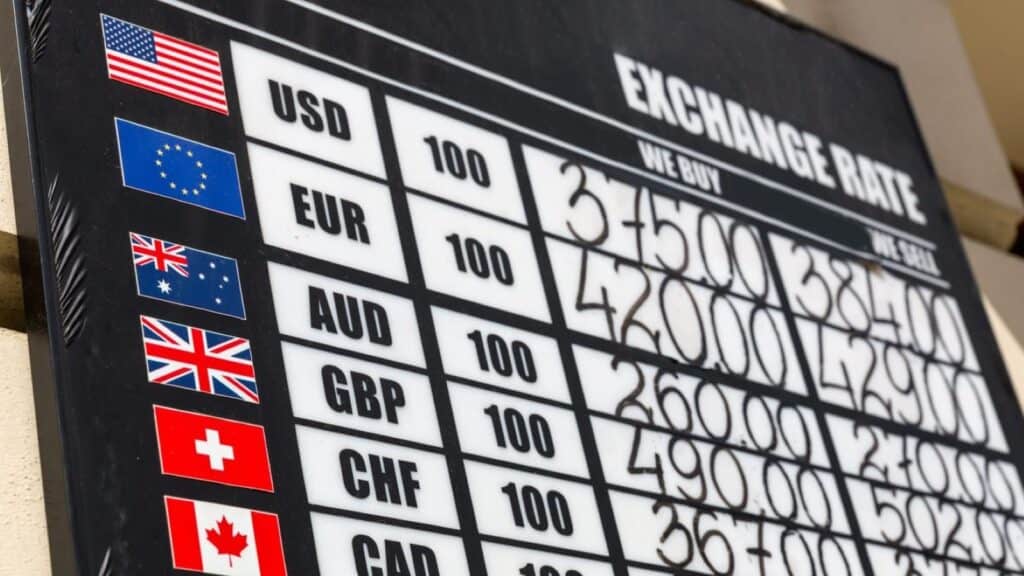
Waiting Until the Airport to Compare Rates
Airport counters solve an urgent problem, which limits your time to shop. Compare your bank, reputable currency sellers, and card or ATM costs before departure. Do not assume your bank is automatically cheapest: Chase, for example, says its rates include commissions and spreads, even though it does not list a separate exchange fee. Order only after checking the final amount you will receive.
Choosing Dollars at a Card Terminal
A terminal may offer to convert a foreign purchase into U.S. dollars. This is dynamic currency conversion, or DCC. Visa says a DCC quote includes an exchange rate plus additional fees or markup, which must be displayed before you decide. Compare that quote with your card’s terms. Paying in local currency usually leaves the conversion to your card network and issuer.
Accepting an ATM’s Conversion Without Reading It
DCC can appear at an ATM as well as in a store. Read both currency choices, the exchange rate, and the stated markup before approving the withdrawal. Mastercard rules require the options to be presented neutrally and prohibit preselecting the DCC option. Cancel the transaction if the screen hides the local-currency choice or does not disclose the conversion clearly.
Forgetting That Two ATM Fees Can Apply
An ATM withdrawal can trigger a charge from the machine owner and another from your bank or credit union. The Consumer Financial Protection Bureau confirms that both parties may charge and that the operator must disclose its fee at the machine. Check your account’s international terms, withdrawal limits, and partner networks before traveling. Fewer, planned withdrawals may reduce repeated flat fees.
Using a Credit Card for Cash
Withdrawing cash on a credit card is generally treated as a cash advance. The CFPB warns that the issuer may add a flat or percentage fee, a higher interest rate may apply, and interest begins immediately. An ATM operator may add another charge. Use a debit card tied to available funds when its fee schedule is lower.
Ignoring Your Card’s Foreign Transaction Rules
Choosing local currency does not erase fees written into your card agreement. A foreign transaction fee can apply to a purchase made abroad, in foreign currency, or with a foreign merchant. CFPB guidance explains that the charge may even apply when a foreign transaction is processed in U.S. dollars. Check each card’s current terms instead of relying on the logo or card color.
Buying a Prepaid Card Without Reading the Fee Box
Prepaid cards can charge activation, monthly service, purchase, ATM withdrawal, cash reload, inactivity, and foreign transaction fees. Fees vary by product and use. Federal rules require disclosures before purchase, and the CFPB provides a guide to reading the prepaid-card fee box. Add up the charges that match your planned use before loading money.
Exchanging Every Leftover Bill and Coin
Converting money back creates another exchange at the provider’s current rate. Coins may be harder to return; Chase says it does not accept foreign coins. Keep a small amount for a future trip, spend it before leaving, or use an airport donation option where available. For larger banknotes, compare the buyback amount before agreeing.
Decide Before the Departure Board Starts Calling
Currency decisions become harder when a line is moving and the screen is counting down. A quick review at home changes the balance: you know which card to use, what its fees are, and when you truly need cash. The goal is not to predict the perfect exchange rate; it is to recognize the full price while you still have the freedom to walk away.