
The pies sat on a table with no names on them. Bidding was blind, on purpose. A man could spend his last dollar and eat across from a stranger, or win a slice with the girl he had been trying to talk to all year. That was courtship in rural America, and National Homemade Pie Day on Aug. 1 is a good reason to remember it.
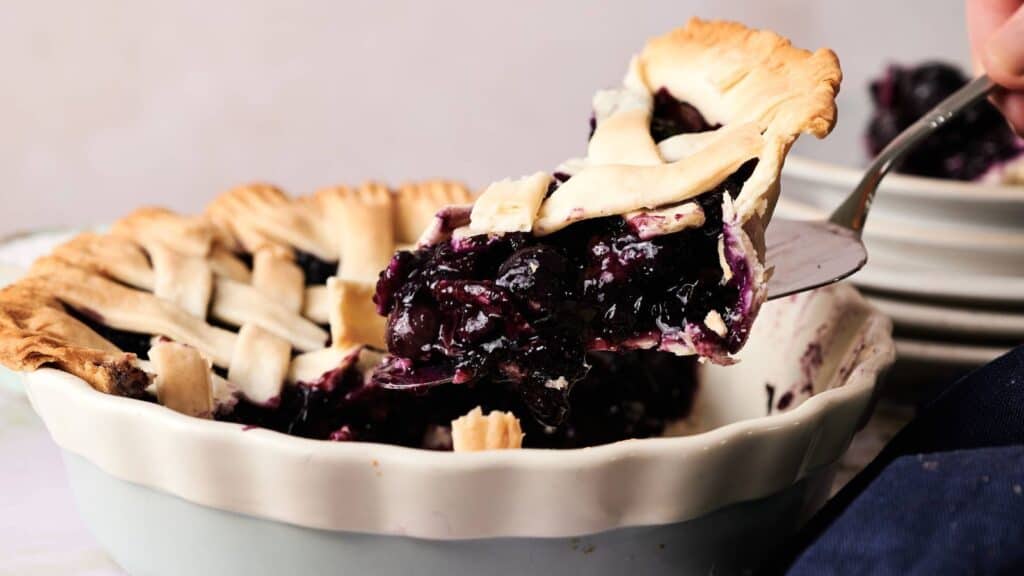
Pie got that job because it was the dish you could actually pull off. It doesn’t take the trained hand a layered cake does. It stretches whatever is in the kitchen, from bruised apples to the last of a jar of raisins. It travels. It sits out on a table all afternoon without spoiling, which mattered in a country where most kitchens had no refrigerator. So when people needed to say something big, pie is what they made.
The pies were auctioned off blind
At pie suppers and box socials across the rural Midwest and the Missouri Ozarks, women baked pies and packed them into boxes trimmed with ribbon. Nobody was supposed to know whose was whose. Lovelorn boys spent months trying to find out anyway, hoping to bid on the right one. The money went to the school. A good share of the one-room schoolhouses in those mountains were paid for, in part, by dessert.
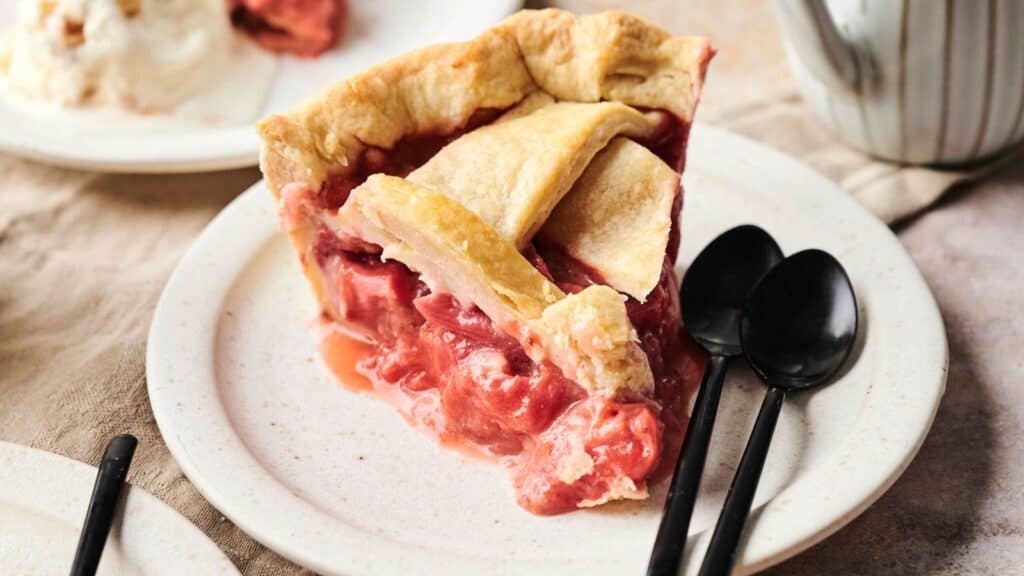
The pie that meant someone was dying
In Pennsylvania Dutch communities, pie carried the opposite weight. Raisins kept all year in a pantry with no refrigeration, so a raisin pie could come together fast in any season, whenever a neighbor died or an illness turned bad. It became known as funeral pie. When someone took a turn for the worse, people would say, “There will be raisin pie soon.”
Making one was real work. Raisins were a luxury then, and every pie called for about a pound of them, deseeded by hand. The tradition faded so completely that by the 1910s, one woman who baked a raisin pie for an elderly relative was met with alarm. The relative thought she was being told she was about to die.
Soldiers said they were fighting for it
By World War II the whole country had picked up the habit. American soldiers told journalists they were fighting for mom and apple pie. The dessert had already been tied to a certain picture of the American home for years by then, and a 1902 newspaper piece had gone further, declaring that no pie-eating people could be permanently vanquished. Pie was not a gift for one person anymore. It had become shorthand for what a whole country said it was defending.
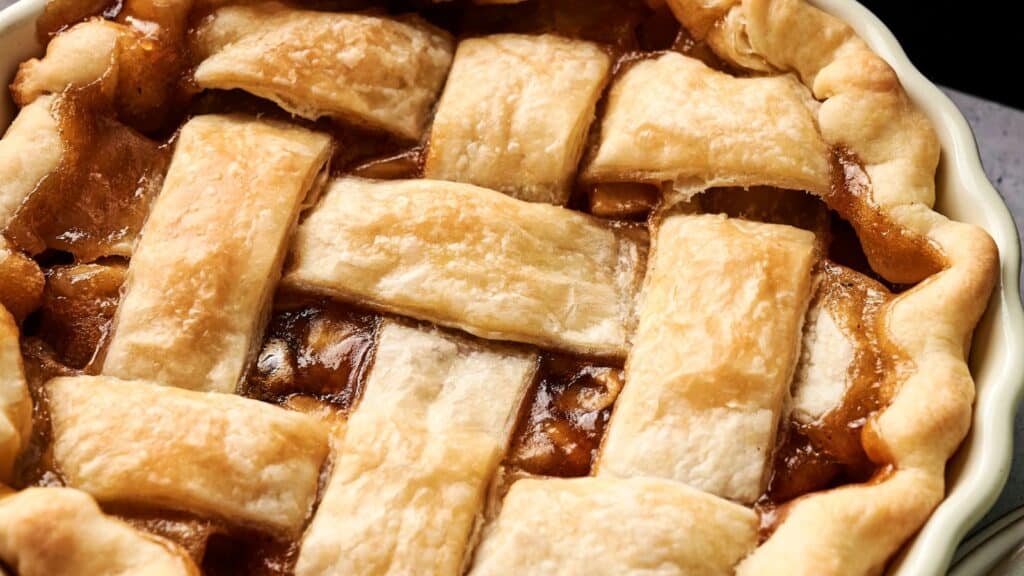
Somewhere in Pennsylvania there is a raisin pie recipe on a card gone soft at the corners, taped back together, still called by its old name. Yours doesn’t have to be that old. Bake one this weekend and hand it to somebody. Cake celebrates. Cookies comfort. Pie says the thing you couldn’t say out loud.
Jennifer Allen is a retired professional chef and long-time writer. Her work appears in dozens of publications, including MSN, Yahoo, The Washington Post and The Seattle Times. These days, she’s busy in the kitchen developing recipes and traveling the world, and you can find all her best creations at Cook What You Love.