
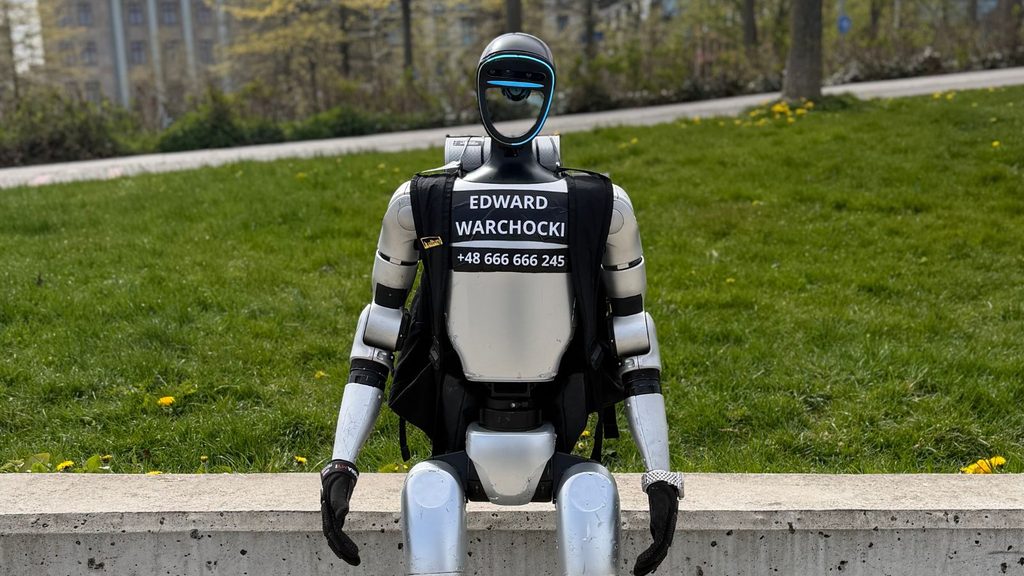
Edward Warchocki became an internet star in Poland after footage of him chasing wild boars through the streets of Warsaw spread online. On Saturday, the humanoid robot influencer heads to an art museum in Vilnius, Lithuania, to see a show built around the question people keep asking him: Is he real?
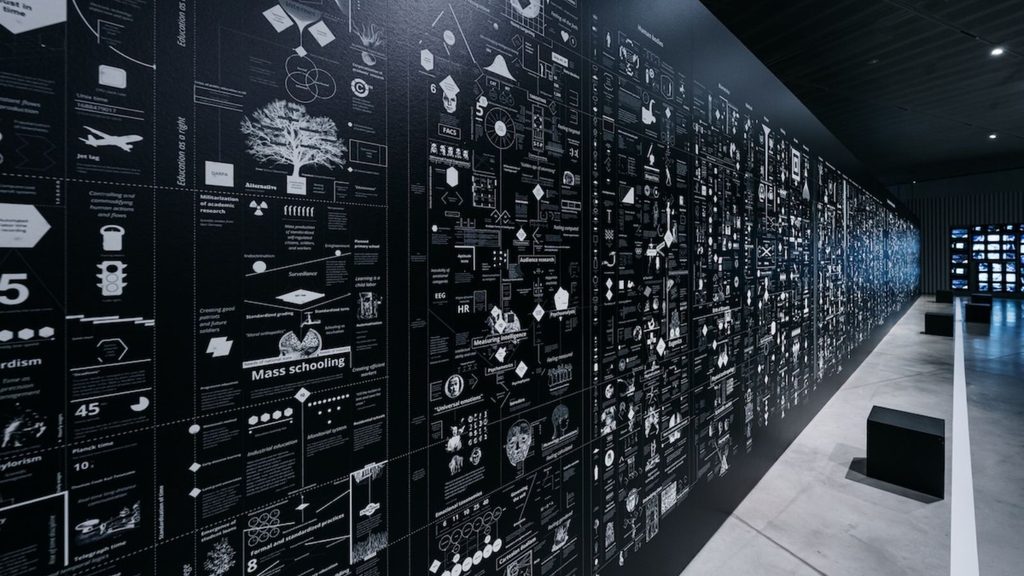
The exhibition, “How to Feel Real. Art, Technology and Us,” opens Saturday at MO Museum, which sits in a building by architect Daniel Libeskind. It’s not a touring show, since MO Museum developed it with Germany’s ZKM | Center for Art and Media Karlsruhe. It asks you to think about how we feel real and what it means to be alive.
Most Americans Are More Worried Than Excited About AI
In a June survey, 52% of Americans said they’re more concerned than excited about the increased use of AI in daily life. Only 9% said the reverse.
The MO Museum show doesn’t pick a team. You’ll find critical works about technology and power right next to playful experiments and immersive environments.
The Robot Who Wants to Know if He’s Real
Warsaw’s MERA Robotics built Edward on a Unitree G1 humanoid platform. He has his own voice and social media presence, and he’s turned up in Poland’s Parliament and on Polish TV.
At the opening, he’ll move through the museum and comment on artworks. He’ll also take part in the program in Lithuanian, English and Polish.
“People keep asking me if I’m real,” Edward said. He said he’s coming to Vilnius “to check whether they think I’m real.”
MO Museum director Milda Ivanauskienė called his visit a playful extension of the show’s ideas. She said it invites you to wonder “why we are so eager to find the human in a machine.”
3 Works Worth the Trip
More than 40 artists take part, and most of the work dates from the 1990s to today. Here are three you won’t want to miss:
- Nam June Paik’s “Internet Dream” (1994): This massive installation uses 54 old CRT monitors to look back at the early days of the internet.
- Christa Sommerer and Laurent Mignonneau’s “A-Volve”: Your own movements create virtual organisms, and then you watch them compete in a simulated ecosystem. It won the Golden Nica for Interactive Art at Ars Electronica in 1994.
- Anna Ridler’s “The Shell Record”: The UK artist trained a generative AI system on images of shells she collected along the River Thames. The project ties collecting to shells’ history as one of the earliest forms of currency.
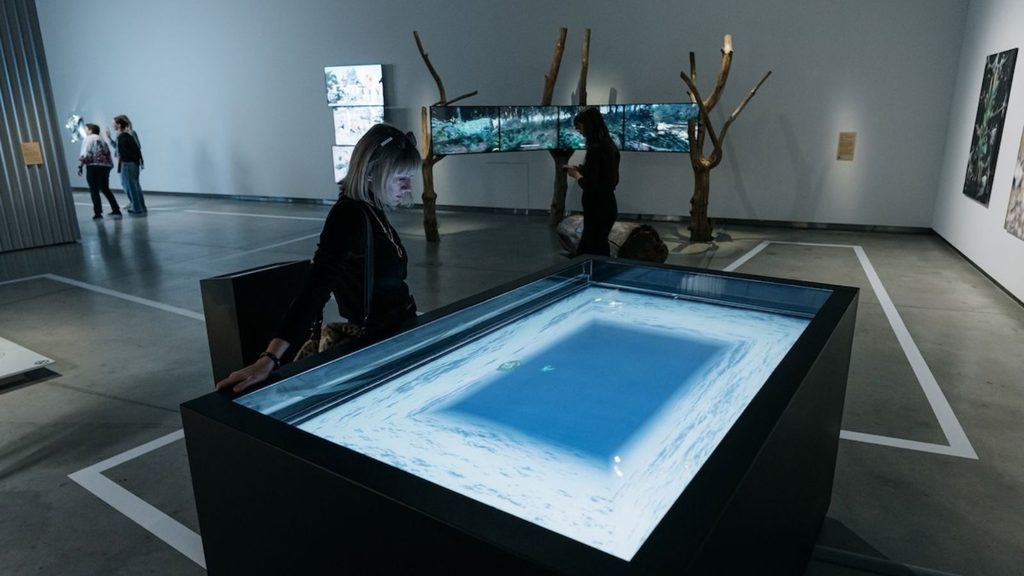
The show runs at MO Museum through Aug. 29, 2027, so you have more than 10 months to work Vilnius into a trip. Start with Paik’s 54 old monitors. Then decide for yourself what makes something feel real.