
Football season makes Buffalo wings feel inevitable, but their history is far less tidy than the snack tray suggests. The famous Anchor Bar story is only one part of it. Older Buffalo menus, a rival wing pioneer, restaurant chains, and decades of game-day culture all helped turn sauced chicken wings into football food.
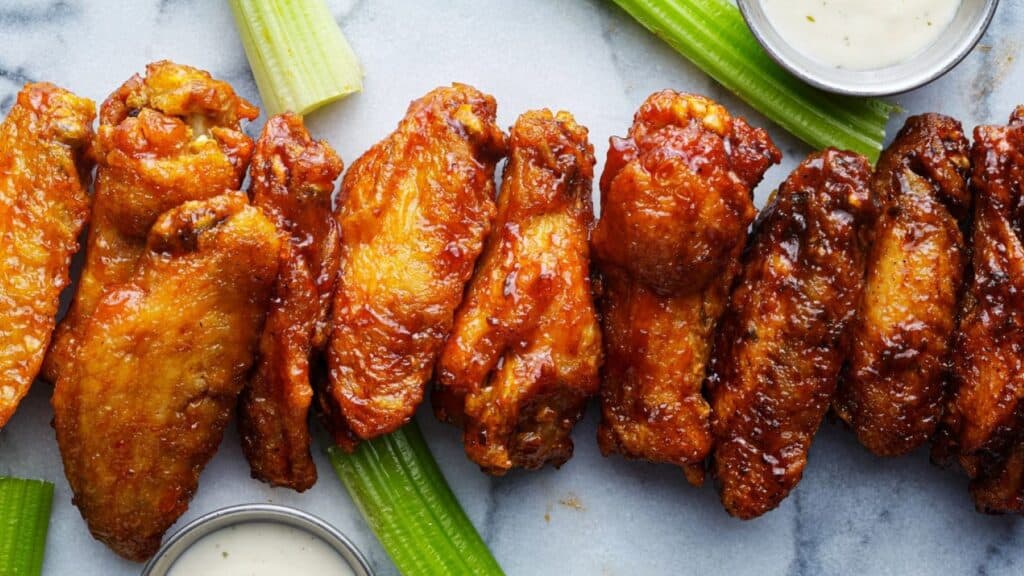
Buffalo Refers to the City, Not the Animal
The name points to Buffalo, New York, where the style became famous. Fried chicken wings existed long before the modern Buffalo version, so it is more accurate to describe Buffalo as the city that popularized this particular hot-sauce style than as the birthplace of chicken wings themselves.
The Famous 1964 Story Has an Earlier Twist
Anchor Bar still tells the story that Teressa Bellissimo made sauced wings for her son Dominic’s friends in 1964. Newer historical-marker research complicates that date. The William G. Pomeroy Foundation says Anchor Bar was advertising fried barbecue chicken wings as early as 1963. That means the familiar one-night origin story does not match the full documentary record.
Even the Bellissimo Family Told Different Versions
The details changed depending on who told the story. Frank Bellissimo said an unexpected shipment of wings inspired the dish. Dominic Bellissimo recalled asking his mother to make food for friends late at night. Those competing accounts are one reason the Anchor Bar story is better treated as a famous family account than a perfectly documented single moment.
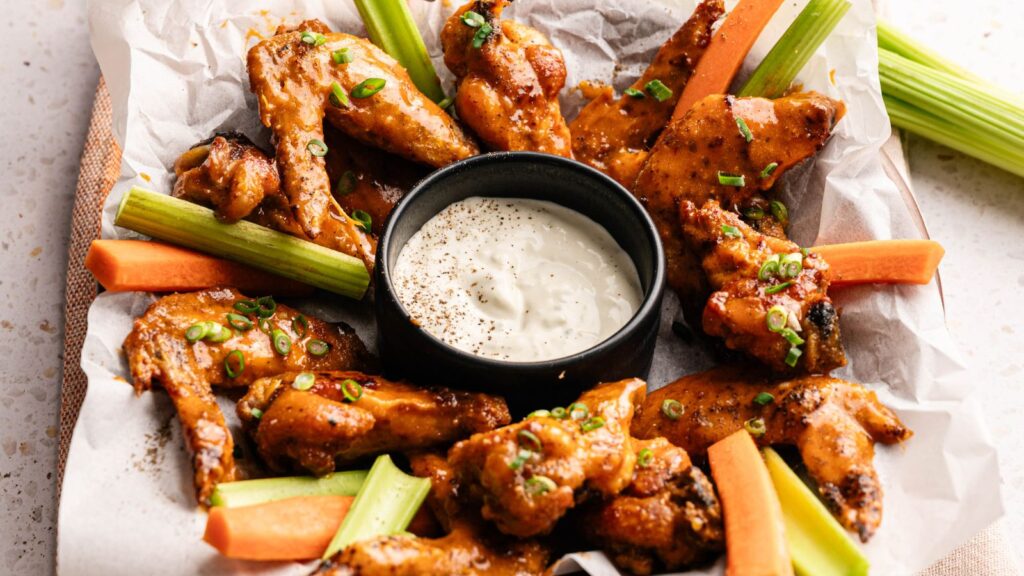
Buffalo Menus Listed Fried Wings in 1857
Chicken wings appeared on Buffalo menus more than a century before Anchor Bar became famous for them. The Buffalo History Museum has a July 1, 1857 bill of fare from the Clarendon Hotel listing “Chicken Wings, fried.” That was not the modern Buffalo-wing style, but it proves the city was serving fried wings long before the 1960s.
John Young Was an Early Wing Pioneer
John Young also belongs in the story. He ran Wings and Things in Buffalo and became known for whole, breaded wings coated in his tomato-based Mumbo sauce. His exact start date is disputed, but historical reporting places him in Buffalo’s early wing scene before the dish became a national phenomenon. His version was different from Anchor Bar’s split, hot-sauce-coated wings.
Buffalo Made Chicken Wing Day Official
Buffalo Mayor Stan Makowski proclaimed July 29, 1977, Chicken Wing Day. The city also hosts the annual National Buffalo Wing Festival. In 2026, the two-day event celebrated its 25th anniversary at Sahlen Field. The festival gives Buffalo a public tradition built around the food long after the early origin stories began circulating.
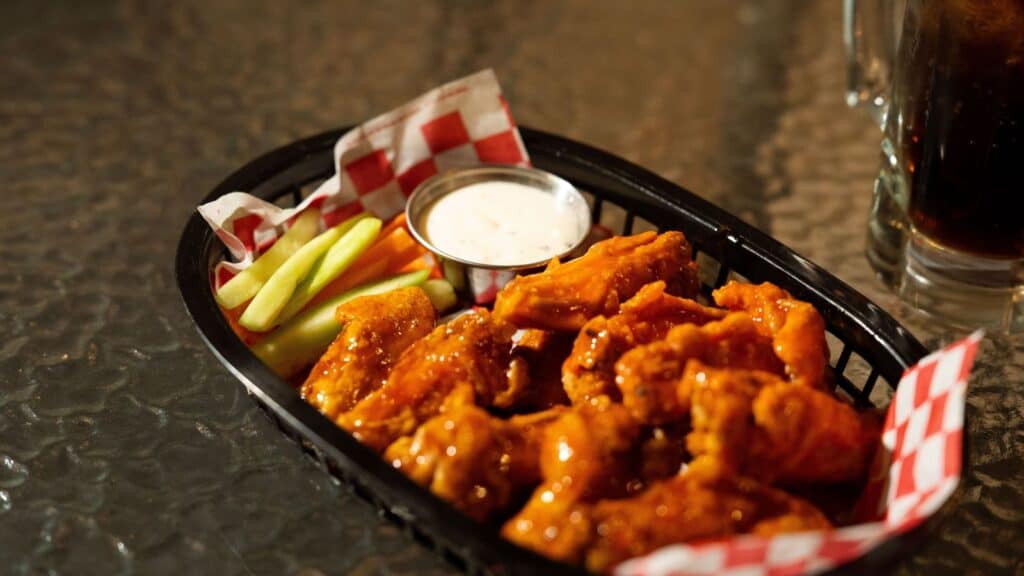
A Wing Chain Started in Ohio in 1982
Buffalo wings did not stay a Western New York specialty. Buffalo Wild Wings, originally Buffalo Wild Wings & Weck, opened in Columbus, Ohio, in 1982. As Buffalo-style wings spread through restaurants outside the region during the 1980s, they also became increasingly associated with football and the Super Bowl.
Super Bowl LX Came With a 1.48 Billion-Wing Forecast
The National Chicken Council projected that Americans would eat 1.48 billion wings while watching Super Bowl LX in 2026. The group calculated that many wings laid end to end would circle Earth almost three times. The forecast gives a useful sense of how strongly wings and the Super Bowl have become linked.
Philadelphia Built a Wing Contest Around Football Frustration
Philadelphia’s Wing Bowl began in 1993 after WIP hosts Angelo Cataldi and Al Morganti looked for a way to give local fans a Super Bowl-week diversion. The first Wing Bowl happened two days before the Bills played Dallas in their third straight Super Bowl. The contest grew into a major Philadelphia spectacle and ran until 2018.
Why the Messy History Matters
The history of Buffalo wings reminds us that food legends often get cleaner with retelling. A neat invention date is easy to remember, but menus, ads, and competing accounts show how a regional dish can develop through several people and places before one version becomes famous. That makes wings a fitting football food: tradition grows through repetition, rivalry, and the people who keep showing up.