
A slick nonstick pan isn’t ideal for a cook who sears hard, and a heavy cast-iron skillet is a nuisance for someone who mostly reheats. Likewise, a lightweight skillet with a lid can suit a weeknight sauté better than a cast-iron pan too heavy to lift one-handed. The right pan depends on what you actually cook, and holiday shoppers can work that out before they buy.
The buying season is close, and the numbers are large. Retail sales in November and December are forecast to top $1 trillion, up 4.2% from 2025. Cooking at home is common: 65.2% of people aged 15 and over did some food preparation and cleanup on an average day last year.
What to look for
A pan has to handle high heat and move from the stovetop to the oven, which rules out a plastic handle and matters most for cooks who finish a dish under the broiler or roast in the same pan. A thick, flat base spreads heat evenly, while a thin one warps and scorches food in patches.
A cool, balanced handle makes a heavy pan easier to control, and a lid turns a skillet into a shallow braiser. Riveted handles hold up over years of use, while ones bolted on with a single screw can work loose. A flared rim or a pour spout makes it easier to tip out fat or a finished sauce. Cast iron needs hand-drying and a wipe of oil, while stainless goes straight in the dishwasher.
Induction stovetops are pickier than gas or electric. They heat only magnetic cookware, so hold a magnet to a pan’s base before buying, and keep looking if it slides off.
Cast iron, stainless, carbon steel or hybrid
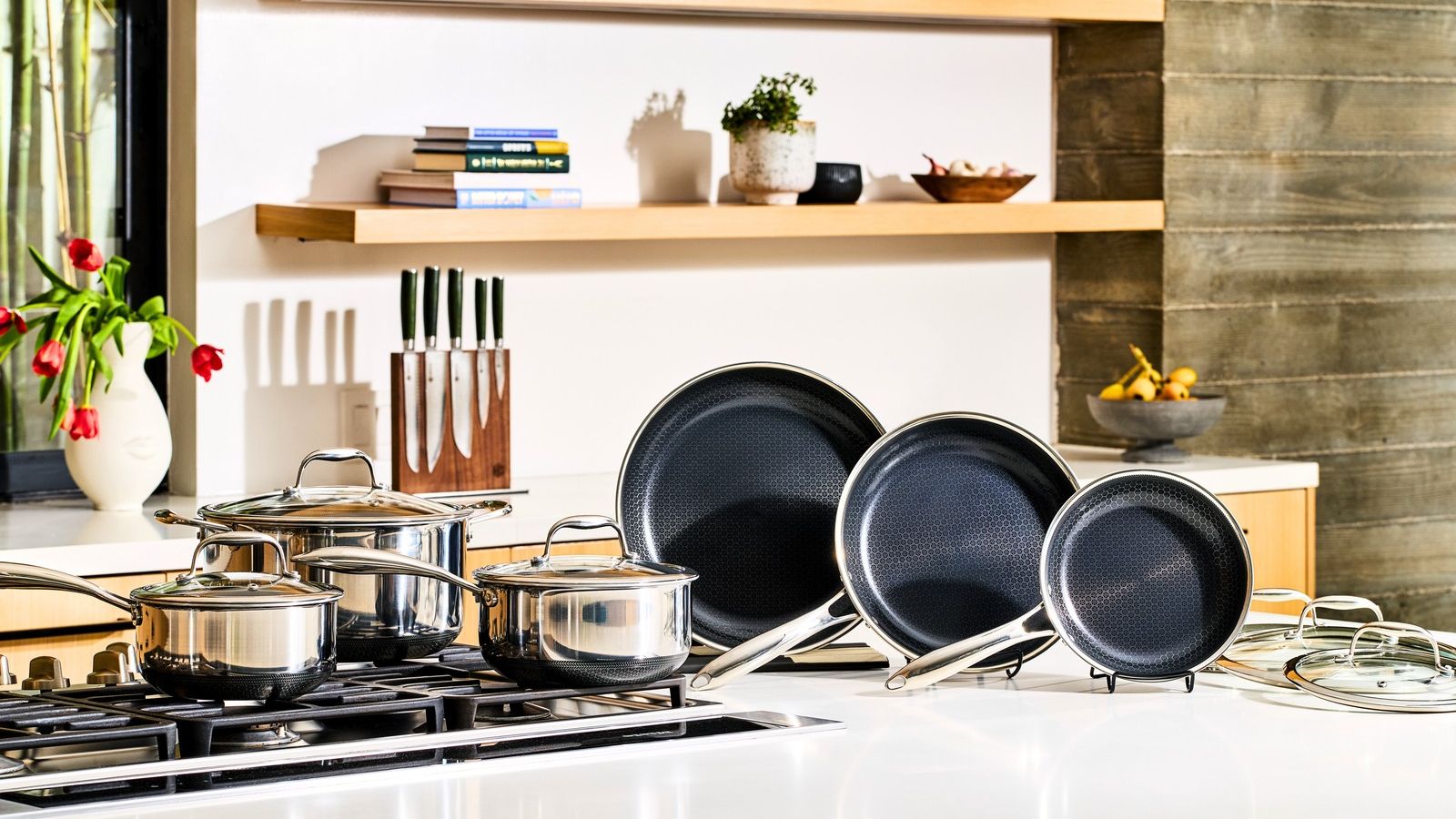
A hybrid combines a stainless-steel surface with nonstick. HexClad describes a laser-etched steel surface over nonstick on an aluminum core, and lists its pans as safe for metal utensils and the dishwasher, under a lifetime warranty. Studio Ramsay Global, chef Gordon Ramsay’s venture, announced a $100 million investment in the company in 2024.
Chris Baber, a HexClad Ambassador, said the hybrid surface is meant to sear like steel for a crust while giving “an easy clean non-stick surface which you don’t get in stainless steel.” David Murphy, a recipe developer and founder of the site FoodnService, uses a hybrid and said: “A hybrid pan is great for the everyday stuff, like eggs, quick sautes and reheating leftovers without a fight. But when I want a deep, hard sear on a steak or a pan sauce with real fond, I still grab stainless or cast iron.”
Cast iron is cheap and, cared for, can last for generations. It needs seasoning and rusts if left wet, though most arrives pre-seasoned. The enameled kind skips that and takes acidic foods like tomato sauce.
Plain nonstick is the cheapest and the first to wear out, with the coating giving up after a year or two of daily use, so the low price buys the shortest life. Stainless steel is durable, but it sticks unless the pan is hot before you add oil. Carbon steel is lighter than cast iron and gets just as hot, and it builds its own nonstick layer with use.
On price, a basic cast-iron skillet costs $30 to $50, and basic stainless is about $40 to $150 or more for a top brand. Carbon steel is around $100, and a hybrid like HexClad’s is about $179.
Matching the pan to the cook
Jennifer Maker, a home cook and creator of the site Maker Farm, said: “I always tell people to think about what they actually cook before spending money on cookware,” adding that “you don’t need the most expensive brand to get a pot that works beautifully in your kitchen.” For a first kitchen, one good skillet beats a drawer of single-purpose gadgets. Someone who already owns the basics gains more from upgrading their most-used pan than from buying another tool.
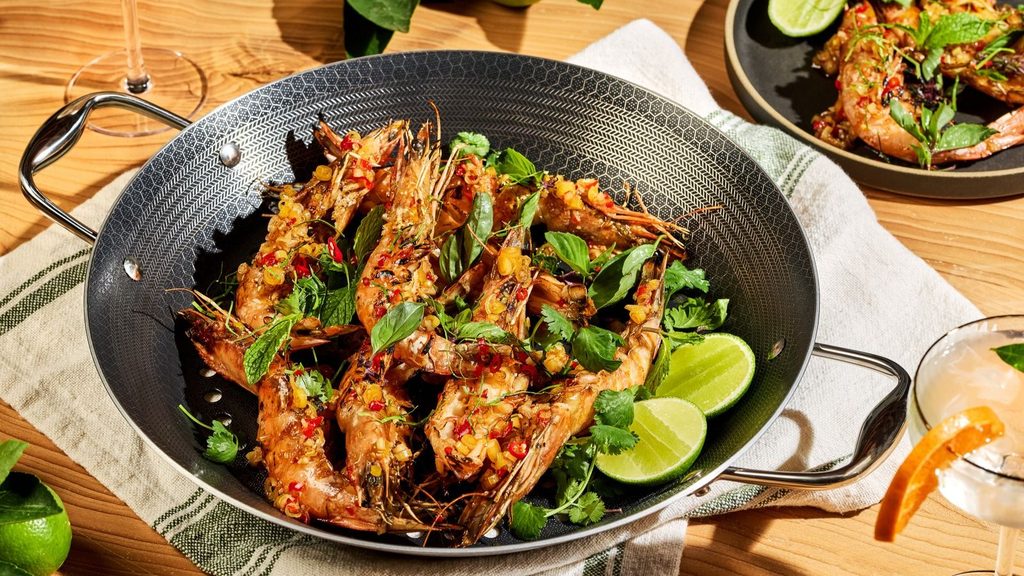
Cooking for a crowd calls for a wide, straight-sided saute pan rather than a second skillet. A baker wants a heavy pan that holds steady heat; a weeknight cook needs one that heats fast and washes easily.
A 12-inch skillet feeds two to four people, and a 10-inch suits one or two. A full cast-iron pan gets heavy, so check that you can lift it one-handed before buying. Renee Gardner, owner and recipe developer at Renee Nicole’s Kitchen, moved away from cast iron because of its weight: “Chronic illness can make it very difficult to safely move heavy pans. I switched to a lightweight, non-stick 12-inch everyday pan with lid that has become my go-to for most cooking.” She keeps the cast iron for pizza and grilling.
A pan outlasts the season
Of everything bought over the holidays, a pan is one of the few things that gets used most days of the year. The right one takes a few minutes to match to the cook, then stays in the kitchen long after the decorations come down. Money spent on the pan that fits keeps paying back for years.
Mandy writes about food, home and the kind of everyday life that feels anything but ordinary. She has traveled extensively, and those experiences have shaped everything, from comforting meals to small lifestyle upgrades that make a big difference. You’ll find all her favorite recipes over at Hungry Cooks Kitchen.