
Cheese curds do more than fill a paper basket at a Packers game. In Wisconsin, the squeak, the foam hat and even the people making the cheese come with stories that reach far beyond Lambeau Field. That gives Green Bay a game-day food tradition with something stadium menus cannot manufacture overnight: local history fans already recognize as their own.
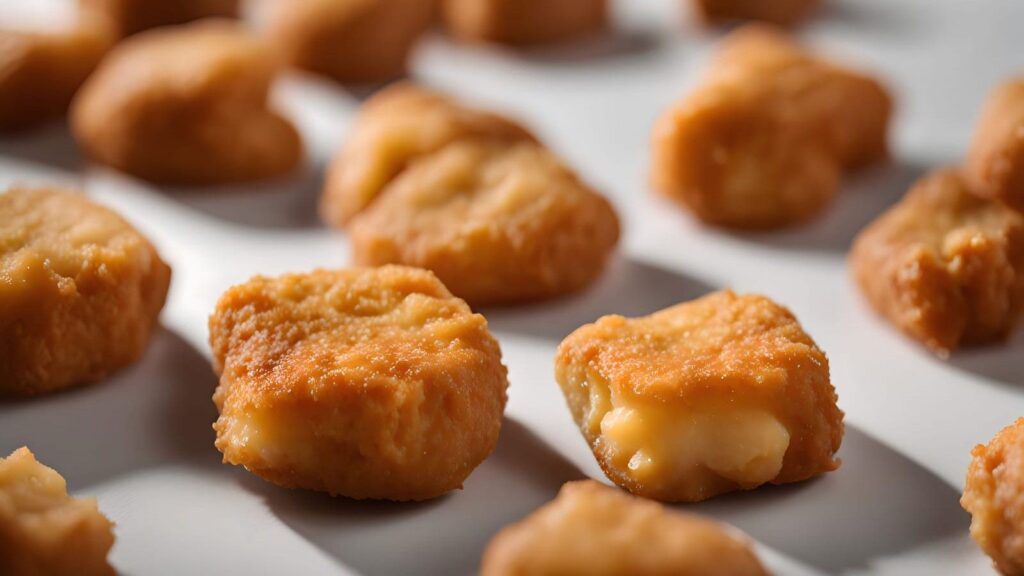
The Squeak Has a Shelf Life
Bite into a fresh cheese curd and you may hear it squeak against your teeth. Cheese scientist Mark Johnson explains that a curd’s protein mesh is held together by calcium, creating the resistance and friction behind the sound. After about a week, the calcium begins to dissolve, the protein softens and the squeak fades. Distance alone does not ruin it. Cheesemakers can freeze curds for shipping, helping them keep that structure after thawing.
The Cheesehead Started at a Brewers Game
Ralph Bruno’s version of the story begins with his mother’s couch. In 1987, while reupholstering it, he cut a triangular shape from the material, painted it yellow and wore the homemade wedge to a Brewers game against the White Sox. The stunt started as a joke built around the “cheesehead” insult aimed at Wisconsin fans. It soon became a business, and the foam wedge later became closely associated with Packers crowds.
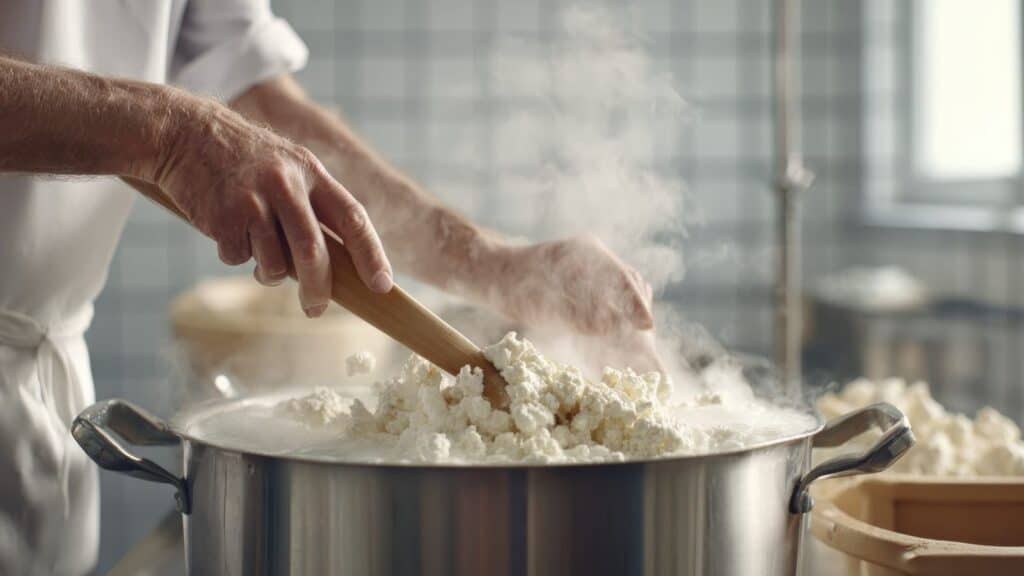
Wisconsin Makes Cheesemaking a Licensed Job
Wisconsin law gives cheesemaking a formal credential that is unusual even in a state famous for dairy. Under Wisconsin Statute 97.17, a person who has charge of and supervises the actual process of manufacturing cheese must hold a state cheesemaker license. Assistants who do not supervise the process are excluded from that definition. It is a real occupational license, not a ceremonial title.
Lambeau Puts Curds on the Menu
Cheese curds are not limited to parking-lot tailgates. The Packers’ current Lambeau Field guide lists the Meat Packing Company as a restaurant concept developed exclusively for the stadium. Its featured menu includes burgers, giant bratwursts and cheese curds. That gives the local favorite an official place inside the stadium as well as outside it.
‘Frozen Tundra’ Predates the Ice Bowl
The nickname feels inseparable from Lambeau Field, but the words were already in print before the famous 1967 Ice Bowl. A 1965 Jerry Izenberg column described Green Bay driving through the “frozen tundra,” and historical newspaper research has turned up older uses of the phrase for other cold football fields. The wording later became closely associated with NFL Films, but it did not begin with the Ice Bowl broadcast.
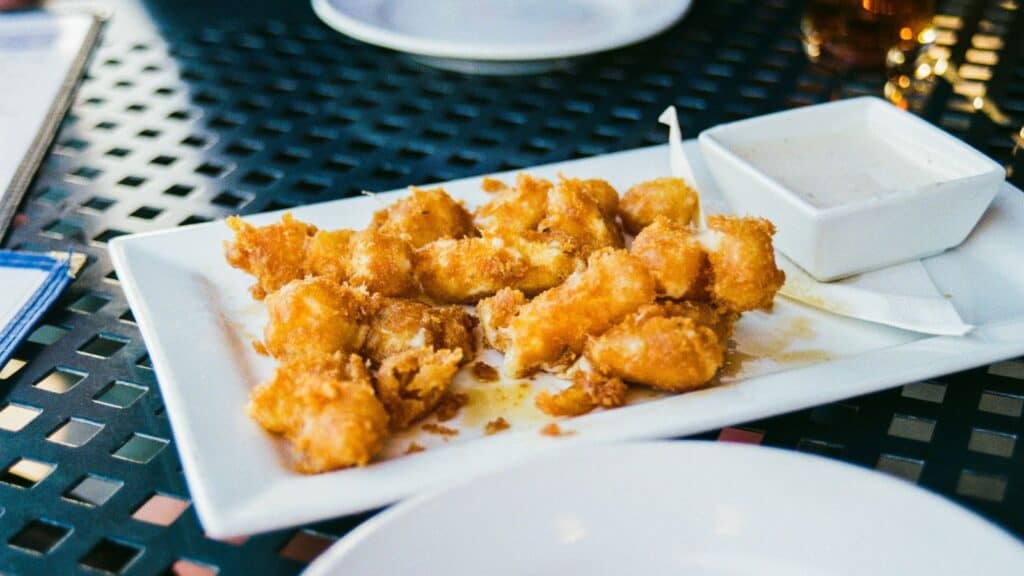
Curds Made a National Tailgate Ranking
A 2025 survey of 3,045 football fans gave Wisconsin curds two separate spots on its game-day food list. FOX 11 reported that beer-battered cheese curds ranked No. 13 and were linked to Wisconsin college football fans. Bratwurst with cheese curds ranked No. 33 and was tied to Packers fans at Lambeau Field. The survey is a snapshot of fan opinion, not an official measure, but it shows how strongly curds are associated with Wisconsin football.
Fourth Graders Put Cheese Into State Law
Wisconsin’s official state dairy product exists in law because a classroom pushed the idea forward. Fourth graders at Mineral Point Elementary proposed making cheese the state dairy product, and Assembly Bill 73 passed the Assembly 96-0 before the Senate concurred. The governor signed the bill at their school on June 1, 2017. Current Wisconsin law still names cheese as the state dairy product.
Tradition Works Best When Nobody Forces It
Cheese curds fit Packers culture because they already belonged to Wisconsin before anyone tried to package them as game-day branding. Fans did not need a campaign to explain why the food, the humor or the dairy identity belonged together. The strongest sports traditions often grow that way: people keep bringing a local habit with them until the ritual feels as natural as wearing team colors.