
Every great cocktail comes with a great story. A famous customer wanders into a glamorous bar, and the bartender invents a classic on the spot. Then someone digs up the old menus, newspapers and books, and the tale falls apart. Some of these nine legends are flat wrong, and others no one can prove.
Manhattan
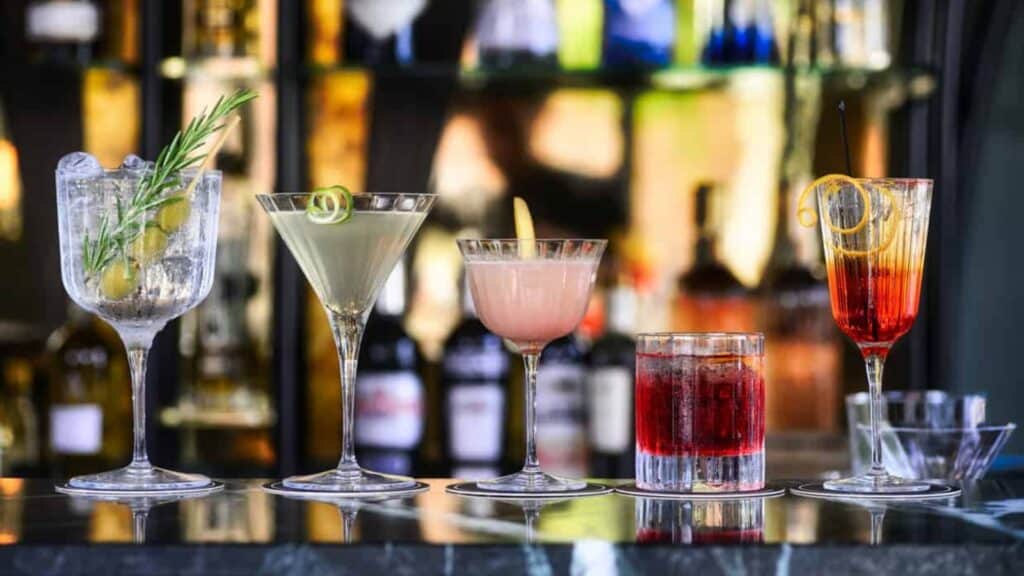
The familiar story says Winston Churchill’s mother, Jennie Jerome, inspired the Manhattan at an 1874 club reception. The Oxford Companion to Spirits & Cocktails dates that tale to 1945 and notes that Jerome was in England after giving birth. The Manhattan Club did not occupy her family’s former mansion until 1899. The club may still have created the drink, but Jerome’s role doesn’t fit the timeline.
Old-Fashioned
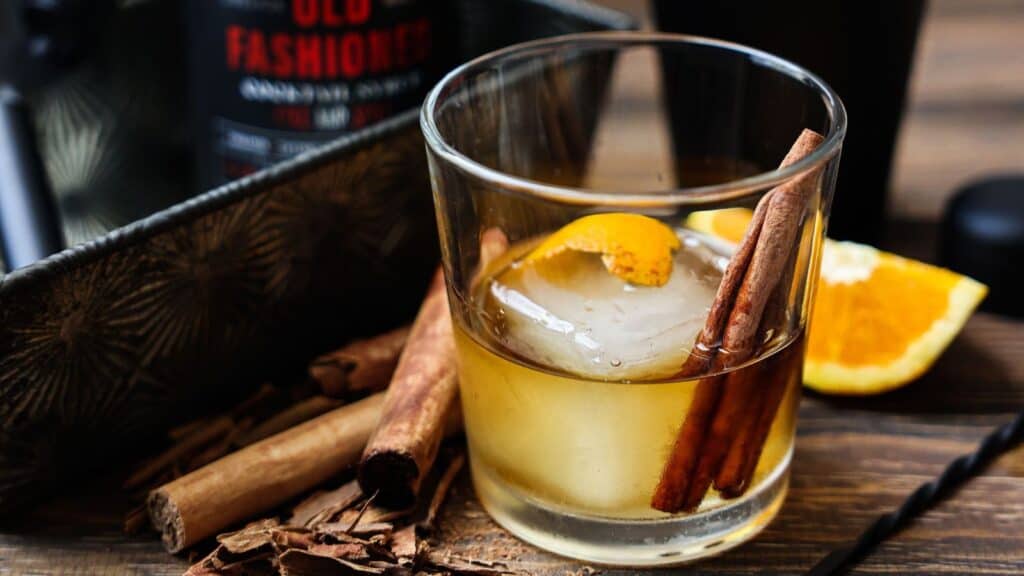
Louisville’s Pendennis Club often receives credit for inventing the Old-Fashioned. The documented chronology says Chicago drinkers were ordering Old-Fashioneds in 1880, one year before the club was founded and three years before it had a bar. The club may have popularized a version, but it could not have originated the basic drink.
Martini
Martinez, California, promotes a story about a bartender creating the Martini for a thirsty miner traveling to San Francisco. The historical record offers two problems: the person who transmitted the account was an infant when the event supposedly happened, and no record of the named miner has been found. Gin-and-vermouth combinations were appearing in print by 1883.
Margarita
Margarita Sames reportedly invented her namesake drink in Acapulco in 1948, but her claim didn’t surface until 1978. The documented Margarita timeline includes a tequila, lime, and Cointreau drink in 1937 and a salted version in 1939. The Margarita name reached print in 1953. Sames may have mixed one independently, but no record crowns her its inventor.
Bloody Mary
Fernand Petiot is routinely credited with inventing the Bloody Mary at Harry’s New York Bar in Paris in 1921. George Jessel offered a competing 1927 claim. The Oxford Companion’s review finds no contemporary evidence for either invention story. Vodka, tomato juice, and the Bloody Mary name first appear together in a November 1939 newspaper column.
Sidecar
A romantic account credits a World War I captain with the Sidecar, who reached a Paris bar in a motorcycle sidecar. That anecdote appeared well after the drink. Two London bartenders published Sidecar recipes in 1922, with Harry McElhone crediting Pat MacGarry of Buck’s Club. The motorcycle probably explains the name, but the captain-and-Paris creation scene remains bar lore.
Sazerac
The traditional account places Antoine Peychaud in his Royal Street pharmacy, mixing the original Sazerac with his bitters and cognac. The archival evidence is much later. Cocktail historian Stanley Clisby Arthur popularized the pharmacy narrative in the 1930s, but his account contains errors and little corroboration. The term “Sazerac cocktail” did not appear in print until 1899.
Mojito
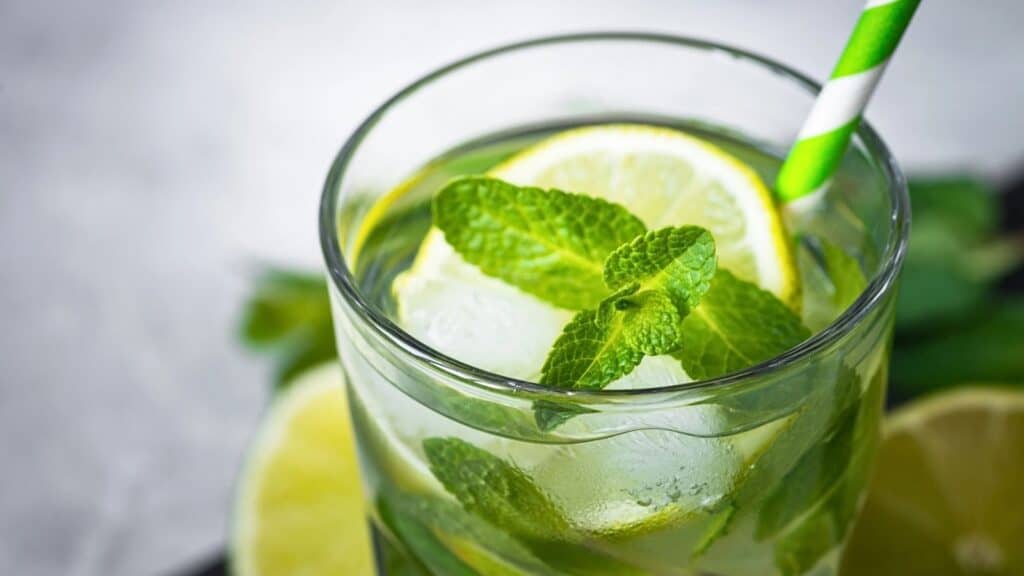
Cuban folklore sends the Mojito back to 1586, when Sir Francis Drake’s crew supposedly used aguardiente, mint, sugar, and lime as a fever remedy called El Draque. Cocktail historians report that no historical record supports that episode. A similar medicinal drink existed in nineteenth-century Cuba, but the first published Mojito-style recipe appeared as the Mojo de Ron in 1929.
Harvey Wallbanger
The colorful version stars Harvey, a California surfer whose rough night supposedly left him banging into walls. The better-supported history identifies Harvey as the cartoon mascot of a Galliano marketing campaign. Bartender Donato “Duke” Antone likely created the drink as the Duke Screwdriver, but the origin of its later name remains unknown.
Proof Is Better Than a Perfect Anecdote
Historical uncertainty does not diminish a drink; it shows the difference between what a dated source can establish and what a later storyteller supplied. A recipe’s first appearance proves that it existed by then, not that the printer invented it. Cocktail history gets more interesting when the gaps stay visible instead of being filled with the most charming tale.