
Home accounts for 86% of all food occasions in America, but speed matters. Circana’s Eating Patterns in America report identifies protein and convenience as the top two forces that influence America’s evolving eating habits as consumers look for faster ways to prepare meals without giving up the foods and flavors they value. Convenience food is increasingly becoming part of the cooking process rather than a replacement for it.
The result changes what convenience cooking looks like. Instead of relying solely on frozen dinners or highly processed meals, many home cooks now combine prepared ingredients, frozen proteins, fresh produce and countertop appliances to get dinner on the table faster.
Half of all meals in the United States take less than five minutes to prepare, according to the Circana report. FMI’s 2026 U.S. Grocery Shopper Trends points in the same direction. Forty-four percent of shoppers say they eat more family meals at home than they did a year ago, while 35% say they cook more often. At the same time, shoppers continue to find easier ways to make meals. Convenience, health and value all influence their choices.
From frozen staples to fresh shortcuts
Convenience cooking increasingly combines foods from different parts of the grocery store. FMI’s 2026 Power of Frozen in Retail report found that 76% of consumers combine fresh and frozen ingredients in the same meal. Another 37% say they use frozen foods to reduce food waste.
That combination can take several forms. Frozen chicken can provide the protein for tacos, salads, sandwiches or grain bowls, while fresh vegetables and sauces change the meal around it. An Instant Pot frozen chicken breast offers one example of using frozen meat as a starting point for a meal rather than treating it as a finished dish.
Seafood works similarly. Air fryer shrimp can become part of a pasta dish, rice bowl or salad, depending on the other ingredients available.
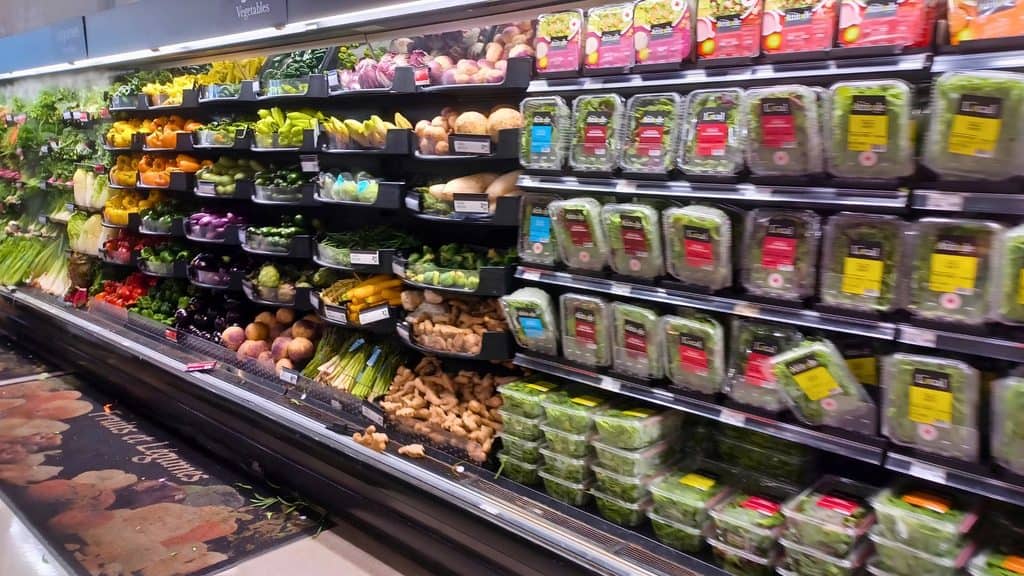
Fresh convenience foods can remove preparation work, too. Pre-cut vegetables, washed greens, prepared sauces and cooked grains have become useful building blocks for meals that still allow plenty of variation. The result is a grocery basket that can mix raw, prepared and frozen foods without treating them as separate categories.
Appliances automate the tedious parts
The air fryer has become a fixture in American kitchens. Research from the National Frozen & Refrigerated Foods Association found that 71% of U.S. households own one, and more than half of air-fryer owners say the appliance has led them to purchase more frozen foods. That figure rises to 67% among Millennials and 63% among Gen Z consumers.
But air fryers are only one piece of the countertop-appliance boom. Pressure cookers, slow cookers and sheet pans each tackle a different part of meal preparation, from speeding up cooking to shifting it earlier in the day or reducing cleanup.
Instant Pot chicken tacos offer a straightforward example. The pressure cooker handles the chicken in 30 minutes while tortillas, toppings and other components come together separately. A slow cooker takes a different approach, allowing ingredients to cook over several hours so dinner is largely ready when the household is ready to eat.
Sheet-pan meals simplify another part of the process. A protein and vegetables can cook together in one pan, which reduces the number of pots, pans and separate cooking steps involved in dinner. That makes the format particularly useful for meals built around simple combinations rather than elaborate recipes.
The broader appeal of these appliances goes beyond minutes saved. They can reduce active cooking time, consolidate steps and make it easier to manage several parts of a meal around the same schedule.
Household needs shape the shortcuts people choose
Convenience does not look identical across households. A family preparing several portions may benefit from a slow cooker or bulk-sized ingredients, while a smaller household may place greater value on individually portioned frozen foods or ingredients that can return to the freezer.
Age also plays a role. A recent YouGov survey found that 60% of adults ages 18-44 regularly heat up frozen meals, compared with 50% of adults ages 45 and older. At the same time, 82% of adults aged 18-44 said they cook at least weekly, compared with 90% of those 45 and older.
The numbers suggest that convenience and cooking are not mutually exclusive habits. Different households can use the same categories of food in very different ways, which depend on schedules, household size and how much preparation they want to handle themselves.
Prepared food is becoming part of the home-cooking equation
The growing range of prepared foods also makes the boundary between grocery shopping and cooking less distinct. Prepared meals remain an established category, but shoppers can now choose from refrigerated entrees, frozen components, prepared grains, chopped produce, sauces and other ingredients that sit somewhere between raw ingredients and finished meals.
U.S. retail sales of frozen ready meals reached an estimated $19.8 billion in 2025 and are forecast to reach $20.6 billion in 2026, according to Euromonitor data cited by Agriculture and Agri-Food Canada. The size of the category reflects how firmly ready-to-eat and ready-to-cook options have become part of the American grocery landscape.
That does not mean convenience always comes in the form of a complete entree. A dinner assembled from frozen shrimp, pre-cut vegetables and a prepared sauce can look very different from a frozen meal, even though both rely on convenience foods. The amount of cooking involved has become less useful as the sole measure of whether a meal counts as homemade.
Convenience leaves room for a more flexible definition of homemade
The modern kitchen has made the line between cooking from scratch and using prepared foods increasingly blurry. A meal can begin with a frozen protein, include a prepared sauce and finish with fresh vegetables or a homemade topping.
What matters is how those ingredients function within the meal. Convenience foods can supply a base, a shortcut or a single component without determining the entire dish.
That flexibility may be the more lasting shift in American home cooking. The kitchen does not have to operate at one speed or follow one definition of homemade. It can accommodate a frozen ingredient on a busy night, a slow-cooked meal when there is more time and everything in between.
Beth Neels is an entrepreneur, blogger, photographer, author and recipe developer. She founded Binky’s Culinary Carnival in 2014, focusing on crafting delicious recipes with sustainable ingredients. She has been featured in multiple online publications, including MSN, Reader’s Digest, AP News and Parade.