
Plenty of kitchen disasters start long before the smoke alarm goes off. A crowded pan, a soggy steak and a guess at the salt trip up even confident cooks. Fix the small stuff first, and dinner has a much better shot.

Read the Recipe to the Last Line
Before you measure anything, read the full recipe. King Arthur Baking notes that this reveals new steps, extra ingredients, and time needs. You may discover an overnight marinade, a chilled dough, or a tool you do not own. That tells you when dinner can start.
Set Up Before the Heat Goes On
Culinary students learn mise en place, which means having ingredients and tools ready in time. The Institute of Culinary Education uses risotto as an example. Constant stirring leaves no time to hunt for stock or cheese. Chop, measure, and arrange first when a recipe moves quickly.
Cut Pieces to a Similar Size
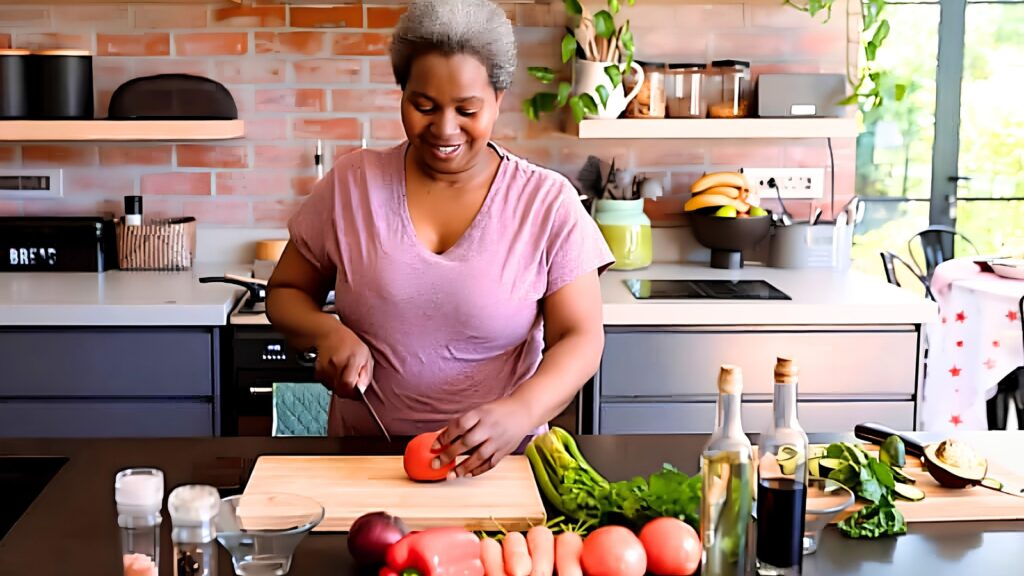
Knife work affects timing, not just appearance. The Culinary Institute of America advises cutting vegetables to the same size for even cooking. Thin pieces can soften or burn while thick ones stay firm. Perfect cubes are unnecessary, but pieces sharing a pan should be close enough to finish together.
Preheat Without Blasting the Burner
A cold stainless-steel pan can encourage sticking, but maximum heat is not the answer. All-Clad recommends preheating stainless steel over low or medium heat for one to two minutes. A few drops of water should dance across the surface. If food crackles rather than sizzles, the company says the heat may be too high.
Give Food Room to Brown
Crowding is a space and heat problem. The Beef Checkoff advises using the pan size named in the recipe. A pan that is too small inhibits browning. Leave gaps between pieces and cook in batches when needed. This gives moisture room to escape instead of collecting around the food.
Dry the Surface of Meat
Moisture on the outside of meat works against browning. The Beef Checkoff recommends that you pat steaks and roasts dry with paper towels before cooking. Discard the towels immediately, wash your hands, and clean any surface touched by raw juices. Better color should never come at the expense of safe handling.
Do Not Treat Olive Oil as Too Delicate
The claim that extra-virgin olive oil cannot handle cooking heat is too broad. UC Davis reports that olive oil smoke points range from 347°F to 464°F. The number varies with grade, quality, and freshness. Choose oil by its heat limit and flavor, not its label alone.
Match the Pan to the Job
Pan choice includes size, material, and heat level. The Beef Checkoff says heavy pans heat evenly. It recommends medium heat for nonstick cookware and a nonreactive surface for acidic foods such as tomatoes or citrus. Nonstick is useful, but it is not the best choice for every high-heat task.
Season During Cooking
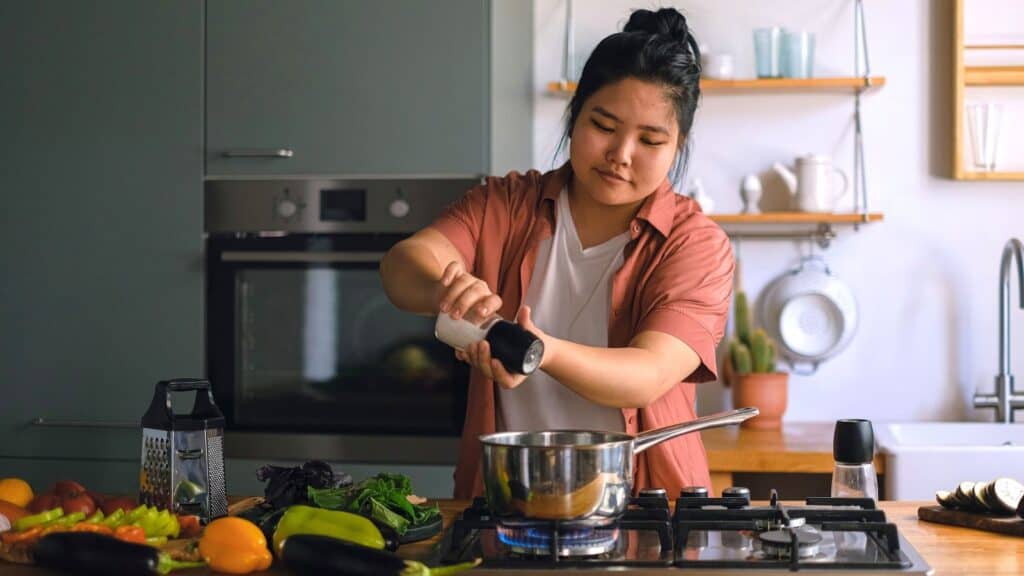
Waiting until the plate reaches the table can leave the center bland. The Culinary Institute of America says food may need more salt for the same flavor when you don’t salt it throughout cooking. Add modest amounts at the stages the recipe allows, taste, and account for salty ingredients such as stock, cheese, or soy sauce.
Measure Salt for Pasta Water
“A handful” is not useful when hand and pot sizes vary. Barilla chef Lorenzo Boni recommends 1 tablespoon plus 1 teaspoon of salt per gallon of water, added right before the pasta. A repeatable measure seasons the pasta without turning the pot into a guessing contest.
Add Garlic With a Plan
Garlic and onion don’t always belong in the pan at the same time. In McCormick’s Sunday sauce method, chopped onion cooks for five minutes before the garlic goes in for about 30 seconds, followed by the liquid. Follow the recipe’s sequence, especially when finely chopped garlic could darken before larger vegetables soften.
Preparation Creates Breathing Room
Good prep is not restaurant theater; it buys you enough attention to notice the cues a recipe cannot time perfectly, including sound, aroma, texture, and color. When the setup is deliberate, you can respond to the food instead of scrambling for the next ingredient. Repeatable cooking comes less from instinct than from removing avoidable surprises.