
Most travelers plan a Costa Rica trip around the dry season, when the beaches stay sunny and the itineraries feel safe. That timing means missing four things the rain actually makes possible: nesting turtles, quieter canopy trails, a louder cloud forest and whales just offshore. It happens on a schedule predictable enough to work around.
Costa Rica’s rain follows a routine. Mornings usually stay clear and bright, prime time for a canopy tour or a volcano trek before the rain starts. The rain itself tends to show up in the afternoon, lasts an hour or two and clears again by evening, so it rarely eats into a full day outdoors.
The predictable pattern leaves room for a full day outside. A wildlife walk can start at 7 a.m. and a dinner can stay dry at 7 p.m., with the storm already finished.
The Rainy Season Lines Up With Wildlife Season
Costa Rica’s green season runs six months, from May through November. That window overlaps directly with two of the country’s busiest wildlife stretches: turtle nesting in Tortuguero, which runs July through October, and humpback whale season on the Pacific coast, which runs from July through November. Fewer travelers show up during those same months as well.
Turtles Nest in Tortuguero’s Rain-Soaked Canals
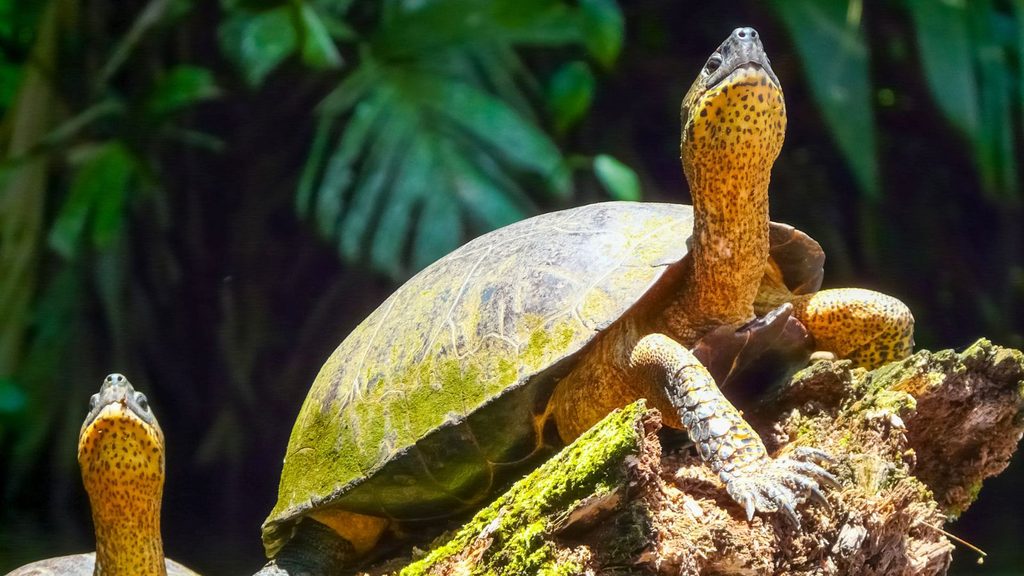
Jungle canals run through Tortuguero, a remote village known for its wildlife and its rain-soaked, turtle-nesting beaches. Green and leatherback turtles come ashore to nest from July through October. Only the rainy season brings them in these numbers.
Hanging Bridges Put You at Eye Level With Arenal’s Wildlife
Arenal, one of Costa Rica’s most recognized destinations, draws visitors for its rainforests, adventure activities, hot springs and the volcano that frames the region. At the base of that rainforest, a trail crosses a series of suspended bridges, putting hikers at canopy level with the wildlife and giving clear views of Arenal Volcano.
Monteverde’s Cloud Forest Gets Louder When the Crowds Thin
Monteverde’s cloud forest draws birdwatchers searching for the resplendent quetzal, hummingbirds, the rainbow-billed toucan and the scarlet macaw. Fewer visitors during the rainy season also bring out poison dart frogs, red-eyed tree frogs and glass frogs in far greater numbers.
Whales and Sloths Share the Pacific Coast
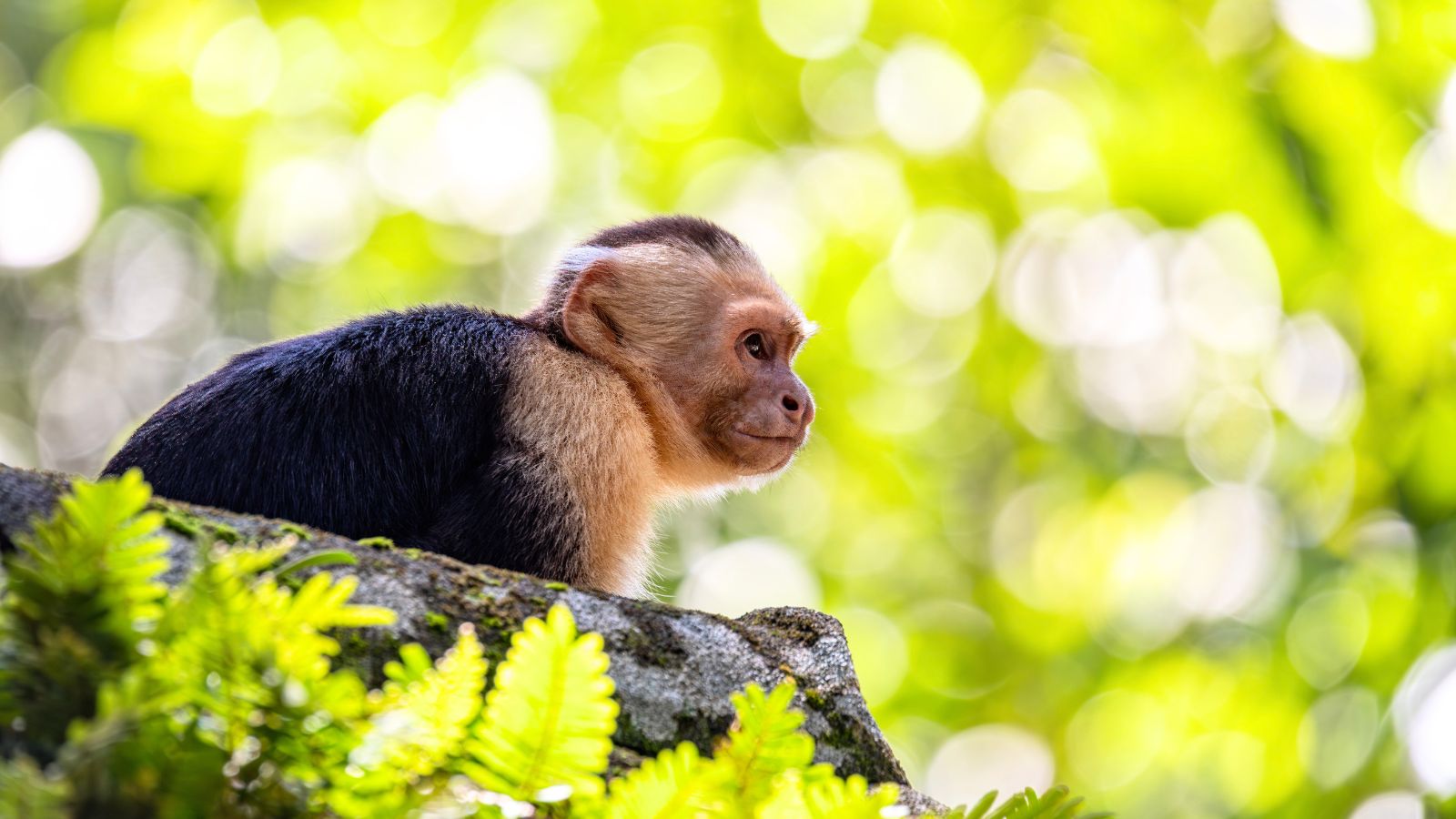
At Manuel Antonio, the rainforest runs straight into the ocean, where sloths and monkeys move through the trees. Four monkey species live across different regions, along with both two- and three-toed sloths. Humpback whales calve in the warm Pacific waters off the Osa Peninsula and Drake Bay from July through November, and Ballena National Park and the Golfo Dulce draw both whales and dolphins.
One Travel Expert Calls It the Best-Kept Secret
David Pettitt is head of product at Pettitts Travel. He said the green season is “one of the country’s best-kept secrets, with fewer crowds, nesting sea turtles and whale watching, making it a wonderful time to consider visiting.” A rain jacket and a flexible afternoon cover the planning.