
Renting a car abroad can feel familiar until you pull out of the lot and realize traffic is flowing the other way. For American drivers, left-side traffic changes where you look first, how you enter a roundabout, and where you position the car after a turn. These nine countries all use left-hand traffic, but the road rules and driving setup can still vary. A quick check before pickup can make the first few miles far less stressful.
United Kingdom
The UK’s Highway Code tells drivers to keep left unless signs or road markings say otherwise. It lists exceptions for overtaking, turning right and passing parked vehicles or pedestrians. At roundabouts, drivers generally give priority to traffic approaching from the right. That is the reverse of the pattern many American drivers expect.
Ireland
Ireland’s Road Safety Authority tells visitors that traffic drives on the left. Its tourist guidance also warns drivers to take care on unfamiliar roads and explains that Irish speed limits are posted in kilometers per hour. Before leaving a rental lot, give yourself a moment to get used to the lane position before joining faster traffic.
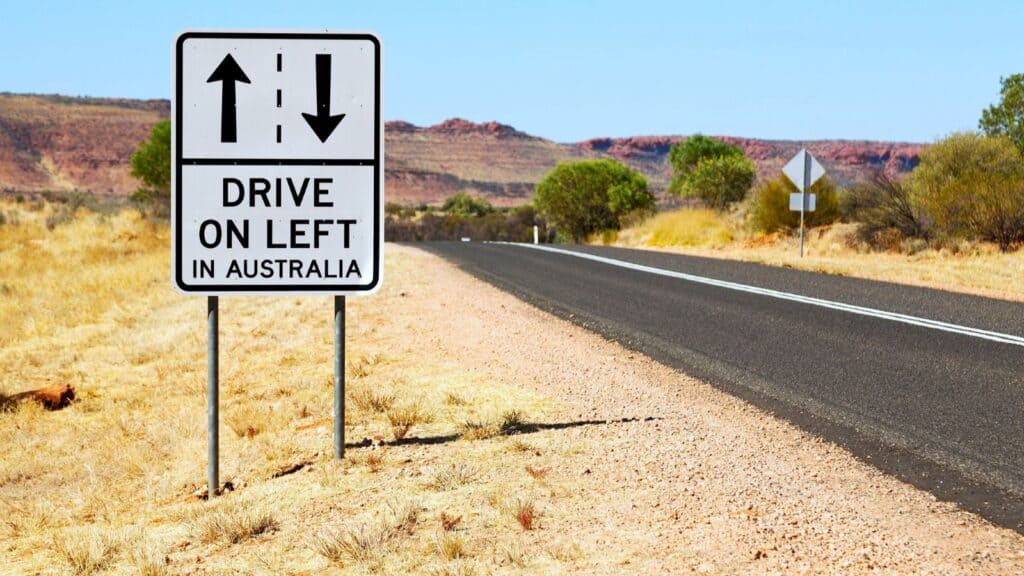
Australia
Australia’s myGov guidance tells visitors that drivers use the left side of all Australian roads. That simple rule matters when you first set off or make a turn. If your instincts are still tuned to right-side traffic, check your lane position before accelerating away from an intersection.
New Zealand
New Zealand Police says people drive on the left-hand side of the road. Visitors also need a valid driver’s license. If you rent a car, review the local road rules before leaving the lot rather than learning them after traffic starts moving.
Japan
Japan also uses left-side traffic. The Japan National Tourism Organization says vehicles drive on the left and the driver’s seat is on the right side of the car. That means an American visitor may be adjusting to both the road position and a different seating position at the same time.
South Africa
South Africa’s Department of Tourism tells visitors that the country follows left-hand traffic. Its road-trip guidance also recommends watching road signs closely. For an American driver, signs and lane markings can be useful checks while the traffic pattern starts to feel familiar.
Thailand
Thailand’s government traffic guide says to keep left and pass on the right. That is the key rule to have in mind before renting a car. Rather than relying on what surrounding traffic appears to be doing, use road signs, lane markings and local driving rules as your guide.
India
India also uses left-side traffic. The Jharkhand Transport Department tells drivers to keep left on a two-way road so traffic coming from the opposite direction can pass on the right. For an American visitor, lane position is one of the first habits to reset after getting behind the wheel.

Jamaica
Jamaica’s Road Traffic Regulations say drivers should keep a vehicle near the left edge of the road when circumstances allow. The rules also say drivers entering a roundabout must give way to traffic already there and proceed clockwise. If you are arriving from the US, both the lane position and roundabout direction deserve a quick review.
Make Left-Side Driving a Pre-Trip Check
The useful habit is to treat traffic direction like passport validity or rental insurance: check it before the trip, not after you are behind the wheel. Left-side driving feels unusual because familiar actions happen in a different position on the road. A few minutes spent reviewing turns, roundabouts and lane placement before moving can leave you with fewer decisions to make on instinct.