
If you have a sweet tooth, dessert is often the best part of the meal. But guilt and the debate over whether to indulge at all can get in the way of the final course. Yet when a national survey asked what makes an indulgence worth it, being guilt-free ranked near the bottom. Oct. 14 is National Dessert Day, and the same survey points to what matters more.
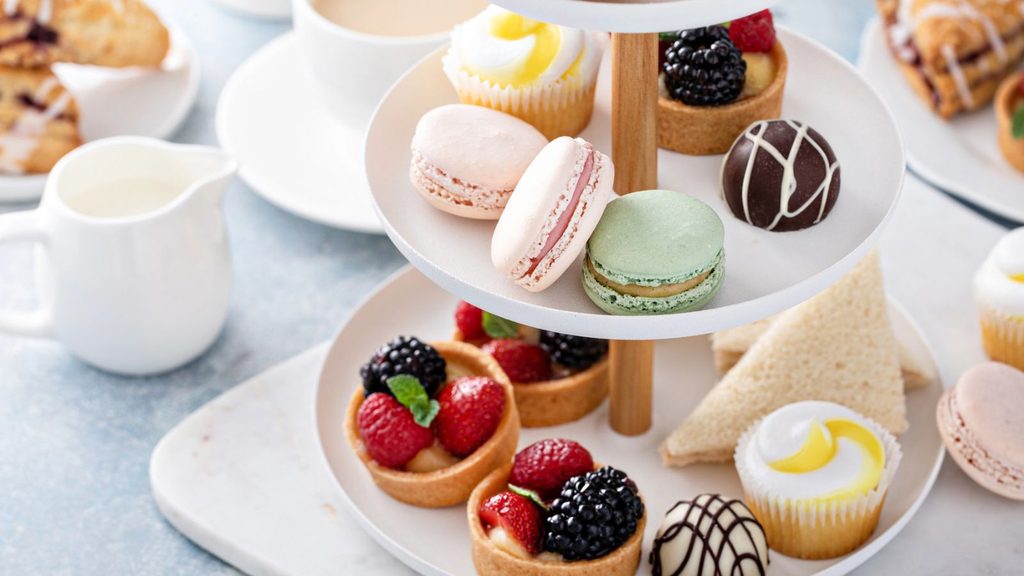
The word dessert traces back to the French desservir, meaning to clear the table. The course arrives after the dishes are gone. October is National Dessert Month, and the 14th is the day set aside for the cakes, pies, cookies, pastries, chocolates and ice cream that close out a meal.
A majority say a treat has to feel earned
In the same survey of 1,200 U.S. consumers across generations and income levels, 51% said it is highly important that an indulgence, even a chocolate chip cookie, feels earned. Only 4% said feeling guilt-free makes an indulgence worth it, one of the lowest-ranked factors studied. The survey covers indulgence broadly, from sweets and coffee to alcohol and cannabis, not dessert alone.
Indulgence is turning up more often in everyday life. Among Millennials, 34% said they indulge daily, as did 30% of Gen Z, and 45% of all respondents said they are more permissive about indulging than a year ago. Households earning less than $50,000 a year reported enjoying their favorite treats daily at higher rates than any other income group.
Researchers link indulgence to routine and mood
Method1, the agency behind the study, links indulgence to repeatable rituals like an afternoon treat or a weekend drink shared with friends. Allison Arling-Giorgi, the agency’s head of brand, said product quality matters less than “the mood lift a treat delivers when it feels deserved.” CEO Jodi Heelan said marketers have long viewed indulgence as something consumers believe they should allow themselves only occasionally, and the research points to a different reality.
Guilt doesn’t vanish. Respondents who described themselves as financially confident reported more guilt after indulging than those who did not, 45% to 32%. Still, at least two-thirds of every generation agreed that indulgence is part of a healthy, balanced life, with Millennials leading at 72%.
The findings arrive amid broader conversations about wellness culture, moderation, GLP-1 adoption and economic uncertainty, all of which are reshaping how consumers think about reward.
Apple pie and chocolate ice cream still lead
The classics hold their ground. In a third-quarter national ratings survey of American dishes, apple pie ranked eighth, and 80% of Americans viewed it favorably. No other dessert made the top 20.
In a separate survey, 97% of adults said they love or like ice cream. Chocolate is back as the favorite flavor, followed by butter pecan, vanilla, cookies and cream and caramel. Hot fudge is the top topping at 31%, ahead of whipped cream at 27% and caramel sauce at 21%. Cones are the most popular frozen novelty at 40%, with ice cream sandwiches second at 24%.
Not all desserts are sweet treats
Dessert doesn’t have to mean a sugar rush. At dinner at BATA in Tucson, the dessert menu offers surprising flavors. A recent dinner included a fermented tomato-and-melon sorbet with tomato oil and smoked corn-and-onion gelato with onion caramel, leek honeycomb and meringue. The dessert menu rounded out with an olive oil cake with whipped cream and pepper jam. At BATA, the sweetness comes from the ingredients, not extra sugar. The tomato sorbet was surprisingly delicious, and the smoked corn gelato, while atypical, was everything a dessert ought to be: well balanced without being cloyingly sweet.
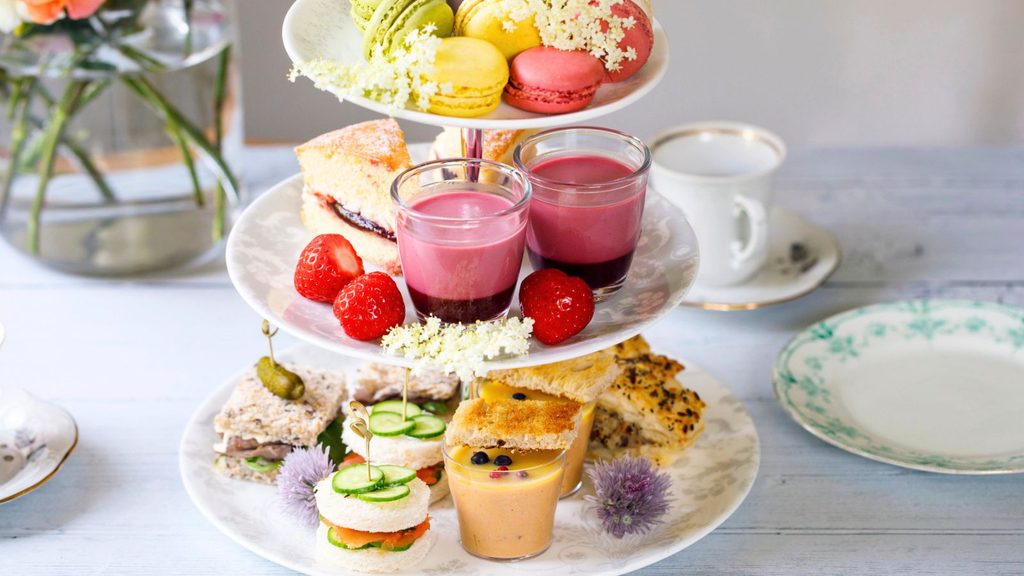
Executive chef and owner Tyler Fenton cooks over an oak fire, and the restaurant says it touches every dish in some way. The menu changes often, so what’s offered one night may be gone the next.
The last bite
Dessert usually comes after the dishes are cleared, leaving room for a salted caramel brownie or another favorite. As more people treat indulgence as part of an ordinary week, we may judge the final course less on sweetness and more on whether it feels worth the wait. That could make room for a tomato sorbet beside the apple pie, and National Dessert Day is a good excuse to order one.
Jennifer Allen is a retired professional chef and long-time writer. Her work appears in dozens of publications, including MSN, Yahoo, The Washington Post and The Seattle Times. These days, she’s busy in the kitchen developing recipes and traveling the world, and you can find all her best creations at Cook What You Love.