
Game-day dips didn’t come from one kitchen or one decade. Some grew out of midcentury convenience cooking, others out of Tex-Mex traditions, and newer ones borrow flavors straight off restaurant menus. Their histories are all over the place, but every one of them does the same job at a watch party: easy to share, easy to scoop.
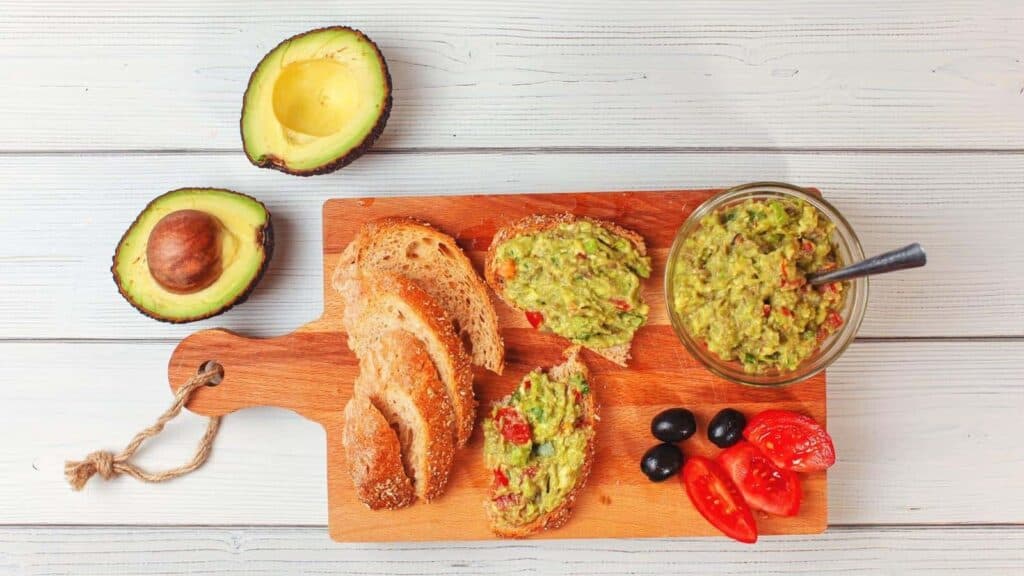
French Onion Dip
The sour cream dip known as French onion dip started as California Dip. Food-history records trace the mix to an anonymous California cook in 1954. The recipe used sour cream and dried onion soup mix. Newspapers printed the recipe, and Lipton later put California Dip on its onion soup mix boxes.
Seven-Layer Dip
The layered Tex-Mex platter was already circulating. Family Circle published a version in 1981. Food historian Jean Anderson later cited that recipe as a major boost for the dish. It was called Tex-Mex Dip. The Family Circle version stacked bean dip, seasoned avocado, sour cream, tomatoes, olives, and cheddar.
Spinach Artichoke Dip
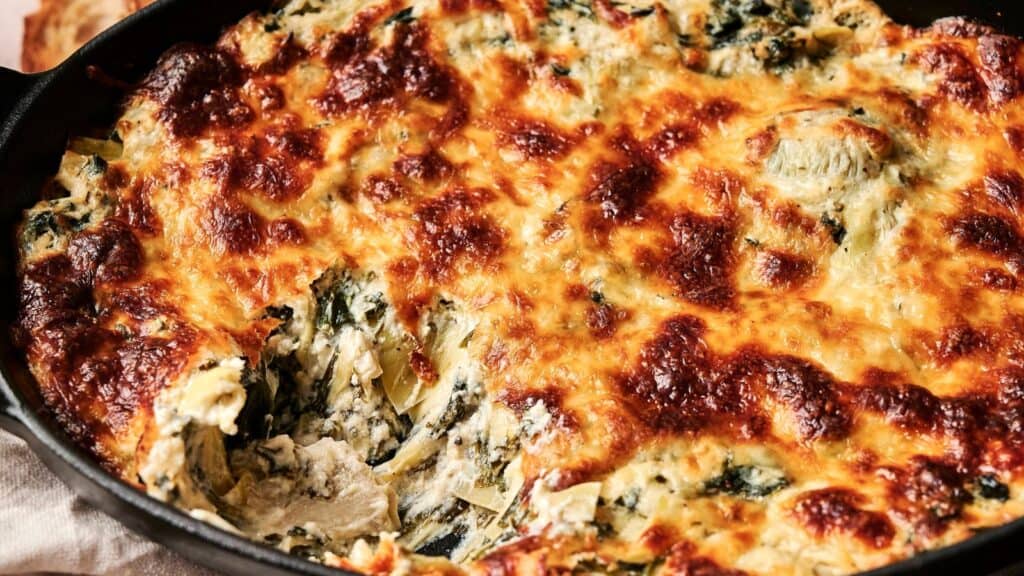
The inventor is hard to pin down. The safer history starts with print evidence. A 1986 cookbook included a version from Culinary Capers in Providence, Rhode Island. Its headnote said the spinach and artichoke dip was popular at faculty cocktail parties. The gatherings were at Brown University and the Rhode Island School of Design.
Clam Dip
Clam dip had a splashy television moment in the 1950s. A recipe appeared on Kraft Music Hall. Reports say canned minced clams sold out in New York City within 24 hours. The cream-cheese-based clam dip stayed a familiar party food through the following decades.
Queso
Chile con queso is older than the slow cooker. A documented Texas restaurant appearance dates to 1910, when San Antonio’s Gunter Hotel listed the dish. Recipes followed in Texas cookbooks during the 1920s, including versions using American cheese. That chile con queso history predates modern branded dip recipes by decades.
Pimento Cheese
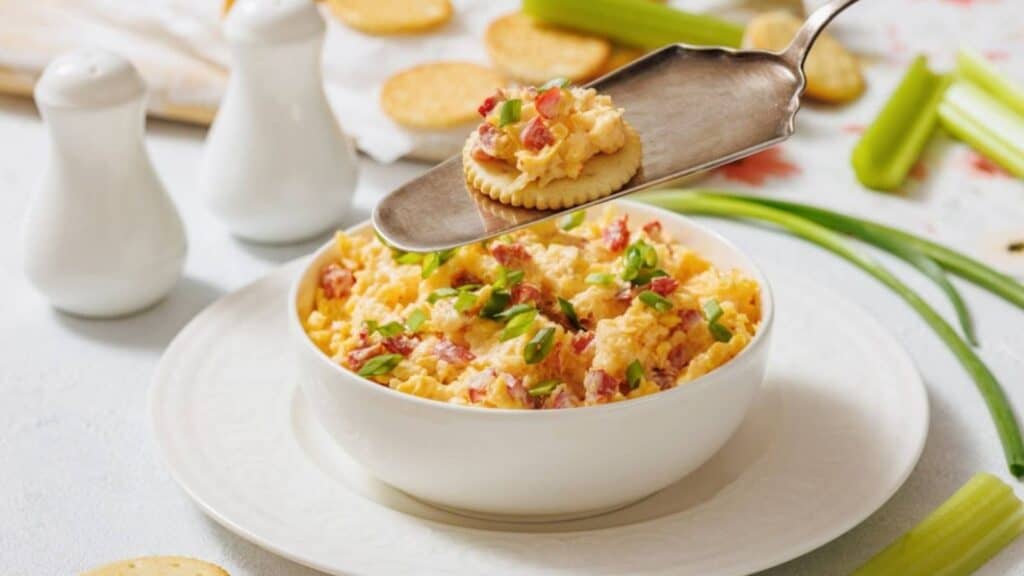
Pimento cheese became a Southern icon, but its early printed history points farther north. An early documented recipe appeared in Good Housekeeping in 1908. It combined cream cheese with minced pimentos. Southern cooks later adapted the spread with cheese and mayonnaise. That helped pimento cheese become closely tied to Southern food culture.
Cowboy Caviar
Helen Corbitt was a New Yorker who built her career in Texas. She is credited with creating Texas caviar in 1940. The black-eyed-pea dish gave a humble ingredient a playful upscale name. Saveur’s updated history of Texas caviar keeps Corbitt at the center of the story.
Ro-Tel Queso Dip
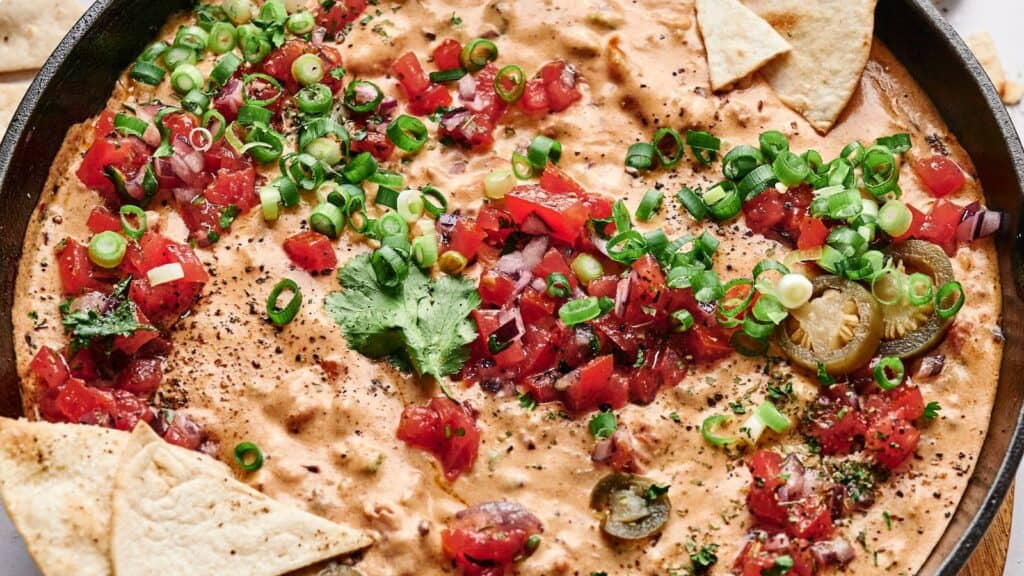
Ro-Tel began in Texas in 1943 as canned tomatoes and green chiles. The brand says its cans reached Oklahoma and Arkansas by the mid-1950s. Ro-Tel still promotes its famous queso dip today. It pairs the tomatoes and chiles with melted Velveeta. The dip is served warm with chips, crackers, or vegetables.
Guacamole
Current sales data back guacamole’s game-day link. The Hass Avocado Board reported that U.S. shoppers bought 80.3 million avocados during the week of the 2026 Big Game. That was the highest Big Game-week volume since 2022. The 80.3 million figure replaces older one-day sales claims.
Buffalo Chicken Dip
Buffalo chicken dip turns hot-wing flavors into a warm, scoopable dish. Frank’s RedHot has a U.S. tailgate page. It lists Buffalo chicken dip among its game-winning recipes. Its standard version combines chicken, cream cheese, hot sauce, ranch, and blue cheese. That documents the game-day connection without relying on a disputed invention story.
Bacon Ranch Dip
Bacon ranch dip is a modern party-bowl variation without one clear inventor. Hidden Valley publishes a BBQ bacon ranch dip with sour cream, ranch seasoning, and bacon. It also includes barbecue sauce, vegetables, and cheddar. The brand describes it as a party appetizer and advises refrigerating leftovers within two hours.
Why the Dip Bowl Keeps Winning
Party food can change without losing its basic job. A television recipe can land on the same table as a magazine feature or Texas specialty. So can a modern brand recipe. The formula stays simple: make it shareable. Give everyone something sturdy to scoop with. Keep perishable dips at safe serving temperatures.