
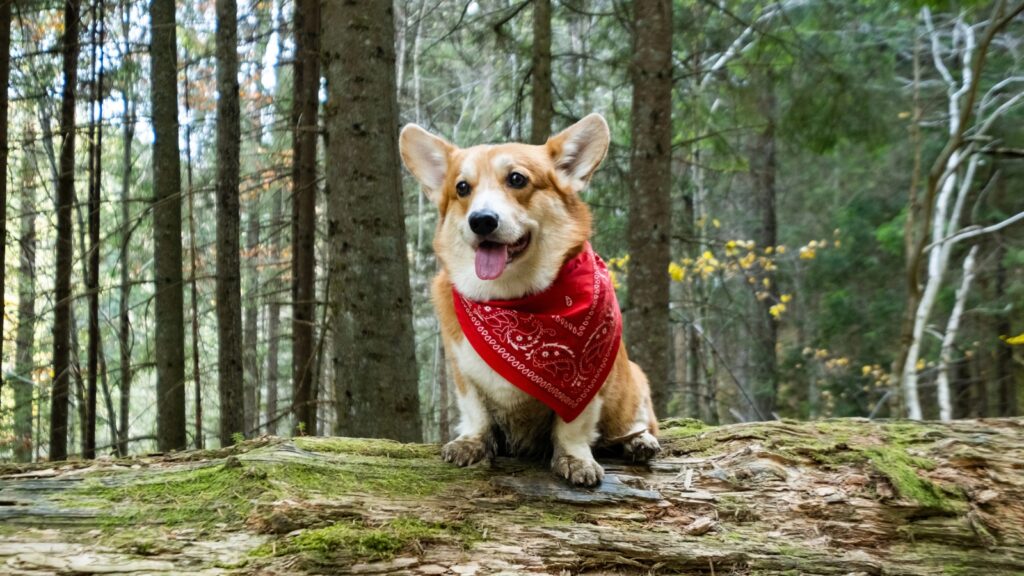
A dog can earn an official National Park Service B.A.R.K. Ranger badge just by behaving well on a hike, with no treats required. Many National Park Service sites run their own version of the program, rewarding dogs with official badges, tags, certificates or bandanas for good trail manners. This National Dog Month, that badge is one more reason to bring the dog along instead of leaving it behind.
This post may contain affiliate link(s). As an Amazon Associate, I earn from qualifying purchases. See Disclosures.
National parks have spent years walking a tightrope between welcoming pets and protecting the wildlife and trails those same visitors come to see. That balancing act plays out at trailheads year-round, whether or not anyone’s thinking about it. Off-leash dogs and unpicked-up waste have long been a real source of friction in parks, enough that the National Park Service created BARK Ranger to encourage responsible recreation with pets and reduce problems tied to unsafe pet behavior.
BARK stands for a simple four-part pledge: bag your pet’s waste, always leash your dog, respect wildlife and know where you can go. The National Park Service has identified it as a Healthy Parks Healthy People “promising practice,” recognizing it as a science-informed program designed to make people and their pets healthier, not just better behaved. Versions of the program now run at parks from South Carolina to Arkansas to New York, each one adapting the same four rules to fit its own trails.
How the program actually works
Implementation looks different from park to park, with some offering ranger-led walks where staff guide visitors and their dogs while explaining local hazards along the way. Others rely on a pledge that dogs and owners take together, often in exchange for a bandana or paper badge. Several parks use an honor system entirely, trusting owners to follow the four rules without a formal check-in. What stays consistent is the goal: teaching outdoor etiquette before a problem happens rather than after.
One of the program’s most memorable faces
Hot Springs National Park in Arkansas gives the program a face beyond bandanas and pledge cards. Konyak, a Belgian Malinois originally from Hungary, spent six years there as one of the park’s most celebrated K9 rangers before retiring in 2022. He greeted visitors at the Fordyce Bathhouse and appeared at school demonstrations, well known enough that staff still share his story with visitors today.
Where else the program is running
In the Northeast, Saratoga National Historical Park in New York launched its own chapter this past May with a launch-day fashion show, complete with bonus points for American Revolution-themed pet outfits. Nearby, Delaware Water Gap National Recreation Area, spanning Pennsylvania and New Jersey, built its program around more than 150 miles of pet-friendly trail, with only a small stretch restricted to working service animals.
Out west, Redwood National and State Parks in California walks BARK Rangers beneath old-growth redwoods before rewarding them with a certificate and an optional collar tag. In the Midwest, Indiana Dunes National Park certifies dogs with a worksheet activity and a brass BARK Ranger tag, and its most dedicated hikers can even sign on as volunteer ambassadors.
Down south, Jean Lafitte National Historical Park and Preserve in Louisiana runs its program through an activity card, completed at a visitor center and capped off with an official paw-raising swearing-in. Cowpens National Battlefield in South Carolina rounds out the list, each version shaped by the landscape and history that the park protects.
While B.A.R.K. Ranger encourages good trail etiquette, the National Park Service also presents it as part of its broader Healthy Parks Healthy People initiative. The agency cites regular dog walking as one way to help address pet obesity and improve outcomes for both animals and their owners. That framing turns a badge and a pledge into something closer to public health messaging, dressed up as a fun souvenir for the dog.
Not every trail welcomes a wagging tail, and the rules change enough from park to park that it pays to check before arriving. But for owners already planning a trip this National Dog Month, checking whether the destination runs a BARK Ranger program could turn an ordinary hike into an actual souvenir, one a dog earns right there on the trail.
Mandy writes about food, home and the kind of everyday life that feels anything but ordinary. She has traveled extensively, and those experiences have shaped everything, from comforting meals to small lifestyle upgrades that make a big difference. You’ll find all her favorite recipes over at Hungry Cooks Kitchen.