
Drive-in restaurants turned the family car into a dining room, but the routine went far beyond eating. Regulars learned how to call for service, balance a tray and order from the parking spot. Teenagers also treated the lot as a social scene in its own right. If you spent enough evenings at a carhop drive-in, these details probably still feel familiar.
A Flash of the Headlights
At certain drive-ins, service started with a flash of headlights. Alamogordo’s Hi-D-Ho Drive-In has used that system since 1952. Customers flash the lights, and a carhop comes out to take the order. At Hi-D-Ho, the signal is simple: you stay in the driver’s seat and let the carhop know you are ready.
The Tray Clipped to Your Window
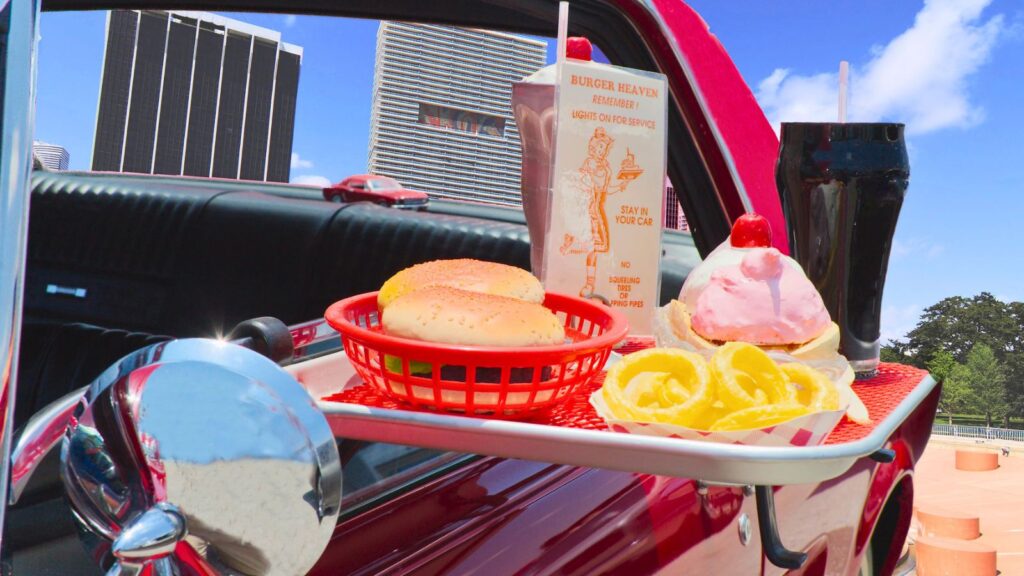
Nothing says drive-in like the tray hanging from the car window. Carhops brought food to the vehicle and attached the serving tray to an open window. The practice goes back to early drive-in chains such as Texas’ Pig Stand. There, carhops delivered burgers and fries on trays clipped to customers’ car windows. Your car door became the table.
Ordering Through the Parking-Stall Speaker
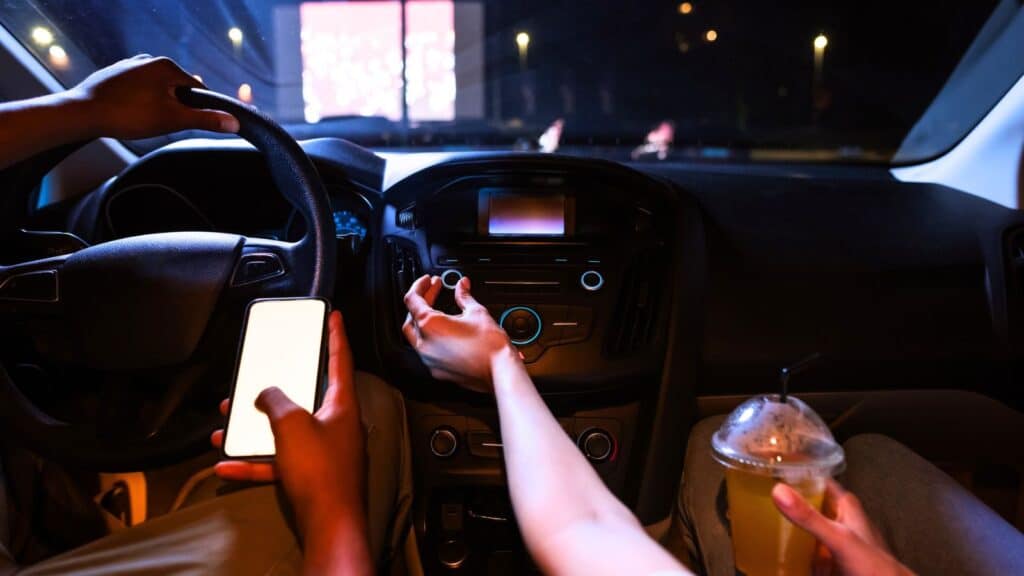
Parking-stall speakers were another part of the drive-in routine. At the Top Hat Drive-In in Shawnee, Oklahoma, founder Troy Smith installed an intercom. He had seen another hamburger stand use the idea while traveling. Customers could order from the car instead of waiting for a carhop to take the order face to face. Top Hat later became Sonic, and the setup became closely tied to its car-side service.
Carhops on Roller Skates
Skates were real, even if they were never standard at every drive-in. The Oklahoma Historical Society says Smith added roller-skating carhops at Top Hat in 1954, a year after the Shawnee restaurant opened. The servers carried food and cleared trash while moving between parked cars on skates. The first location using the Sonic name followed in 1959.
Uniforms You Could Spot Across the Lot
The clothes could be part of the show. Houston’s Prince’s Drive-In outfitted its carhops in majorette costumes, giving the servers a look customers could spot right away. The outfits made the carhop part of the restaurant’s image, not just the person carrying the tray. A bold uniform could make a drive-in easier to remember long after dinner was over.
Cruising Was Part of the Night
For teenagers, a drive-in could be a destination even when dinner was not the main event. The Encyclopedia of Indianapolis notes that drive-in popularity continued through the 1960s. Cruising was common among teens. Driving through or around the lot let you see who had shown up, show off a car and decide whether the night was worth staying for.
A Hangout That Happened to Serve Food
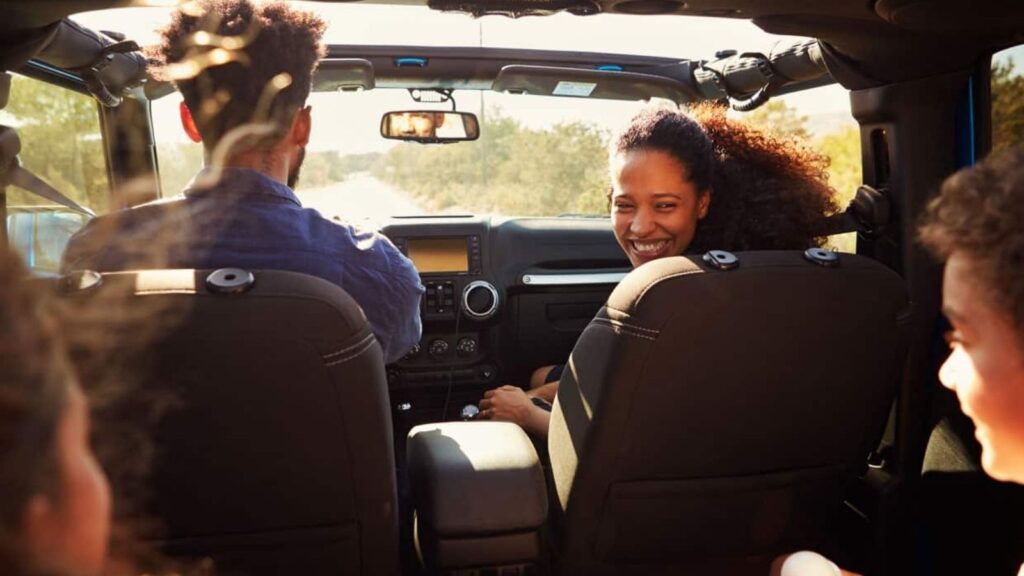
Historians have recorded the social role these restaurants played for young people. A National Park Service history of roadside dining says drive-ins became social centers for generations of high-school-age youth. That helps explain why memories of carhop service are rarely limited to the menu. The restaurant gave friends a place to gather while keeping the car at the center of the experience.
Why the Parking Lot Mattered
Drive-ins worked because the car was more than a way to get around. For many young customers, it offered a private space inside a public gathering place, where friends could linger without needing much of a plan. Drive-thru windows kept the convenience of staying in the car, but they lost much of that social side of the experience. That is why the memories still feel so vivid. The food mattered, but so did the freedom of having nowhere else to be.