
The lemon wedge has been a menu fixture for so long it’s practically invisible. You squeeze it, you move on. But something is changing at restaurants and craft cocktail bars across the country, and the lemon is quietly losing its grip.
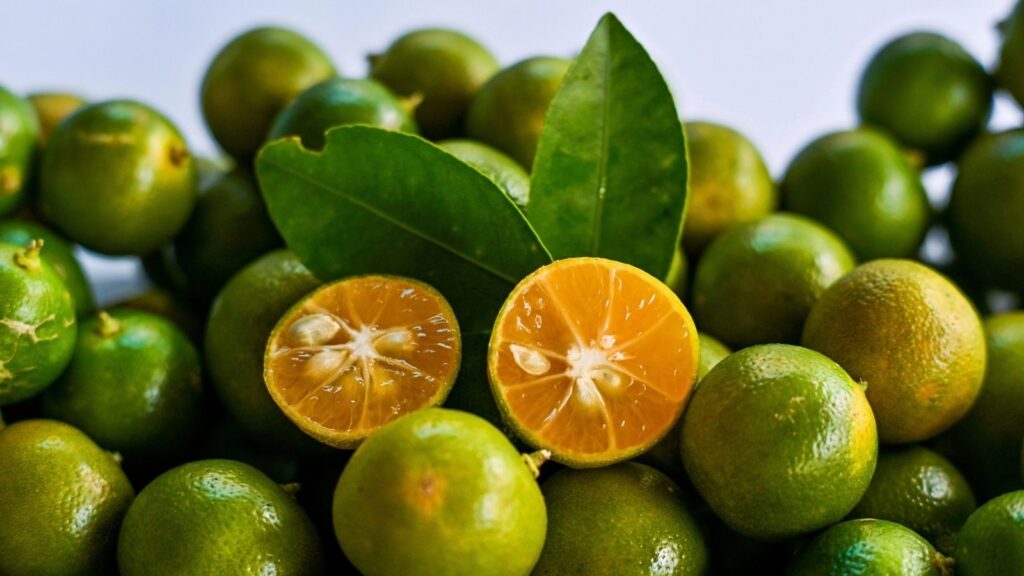
Chefs and bartenders aren’t swapping it out for novelty’s sake. They’re chasing flavors lemon and lime genuinely can’t deliver. Calamansi, hallabong and sumo have real cultural roots, distinct personalities and flavor profiles that open up entirely new territory on a plate or in a glass. A culinary and cocktail trend forecast from a hospitality brand operating across dozens of global markets named all three fruits specifically as ones to watch this year.
What makes calamansi different
Calamansi is tiny, smaller than a golf ball, and packs more flavor than its size suggests. It splits the difference between a Key lime and a mandarin. Tart enough to cut through rich proteins, sweet enough to avoid the sharp edge that can make lemon feel aggressive in a dish.
Chefs are pairing it with miso in dressings for seafood and salads, using it as a glaze base for grilled proteins and reaching for it anywhere they used to default to lemon. The same trend forecast flags calamansi-miso as a leading-edge pairing, one that works because calamansi deepens under heat and holds its own against umami-rich ingredients in a way lemon rarely manages. It’s a cornerstone of Filipino home cooking that’s finally getting its moment in professional kitchens.
The sweet side: hallabong and sumo
Not every dish needs more tartness. Sometimes what a chef wants is brightness without bite, and that’s where hallabong and sumo come in.
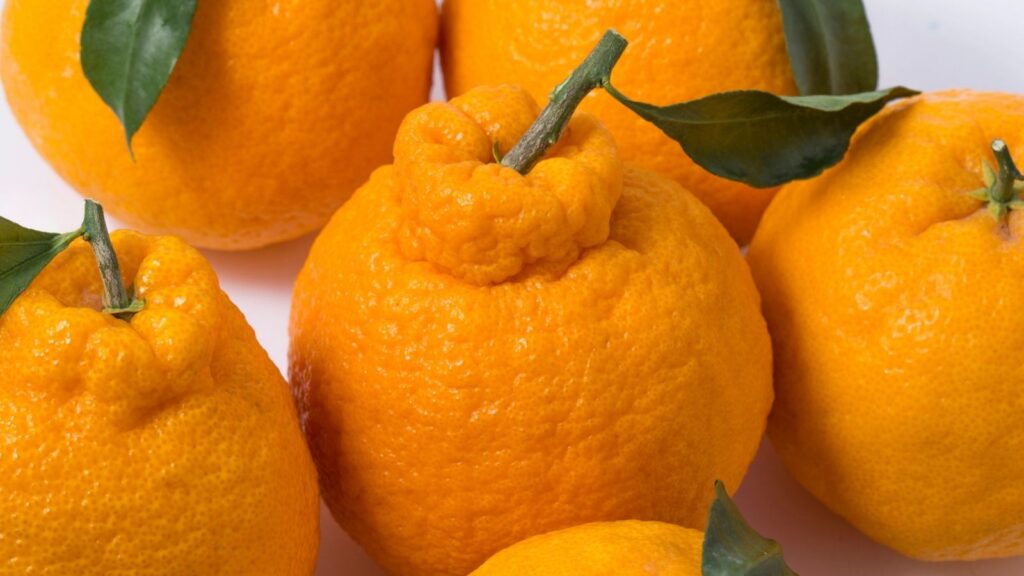
Hallabong grows on Jeju Island off South Korea’s southern coast. It delivers a soft, honeyed lift with almost no bitterness. Sumo Mandarin is seedless, easy to peel and intensely sweet with low acidity, making it compelling whenever a chef wants citrus presence without citrus aggression. Both are showing up in preparations where a sour note was once automatic but where the real goal is warmth over sharpness.
Behind the bar, the formula is changing
Bartenders are drawn to these fruits for the same reason chefs are: control. Lemon and lime are reliable, but they’re blunt instruments. Rare citrus lets a bartender dial in a precise sweet-tart-aromatic balance the standbys can’t replicate.
Yuzu opened the door, becoming the gateway to rare citrus fluency across cocktail programs. Calamansi, hallabong and sumo are the next chapter. Global flavors dominated conversations at the 2026 National Restaurant Association Show, where Asian, Latin American and Middle Eastern ingredients had moved from novelty to expectation. A separate beverage trends forecast noted rising consumer appetite for fruits that push past the familiar and found that people are ready for ingredients they don’t yet recognize by name, as long as the flavor delivers.
Next time you spot calamansi on a menu or hallabong in a cocktail list, don’t scroll past it. That’s your cue to order something you won’t forget.
Jennifer Allen is a retired professional chef and long-time writer. Her work appears in dozens of publications, including MSN, Yahoo, The Washington Post and The Seattle Times. These days, she’s busy in the kitchen developing recipes and traveling the world, and you can find all her best creations at Cook What You Love.