
Perfectly matched flannel, fixed grins, and a toddler planning an escape can turn a fall photo session into a yearly endurance test. Relaxed pictures need less performance and better preparation. A comfortable outfit, forgiving location, and playful direction give families room to look like themselves. Use these seven photographer-backed tips to keep the session natural without leaving the results to luck.
Coordinate Colors Without Copying
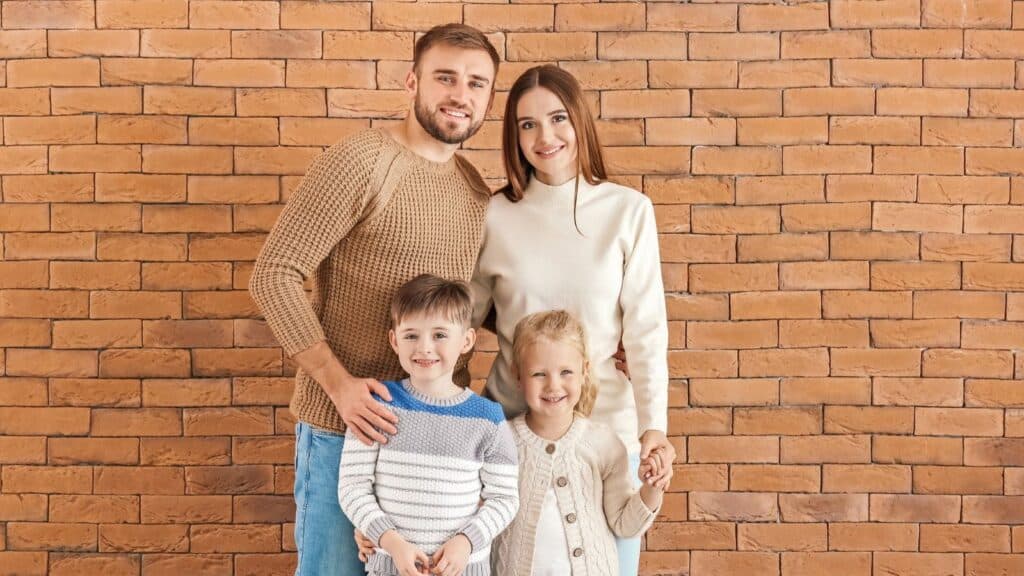
Matching every shirt can make a portrait feel more staged than connected. California family photographer Daniele Rose recommends choosing one core piece, then building a coordinated palette with related colors, neutrals, and textures. She also advises comfortable clothing that suits the weather and lets children move or sit on the ground. Lay every outfit together before the session so clashing patterns or colors are easy to spot.
Choose a Background, Not a Distraction
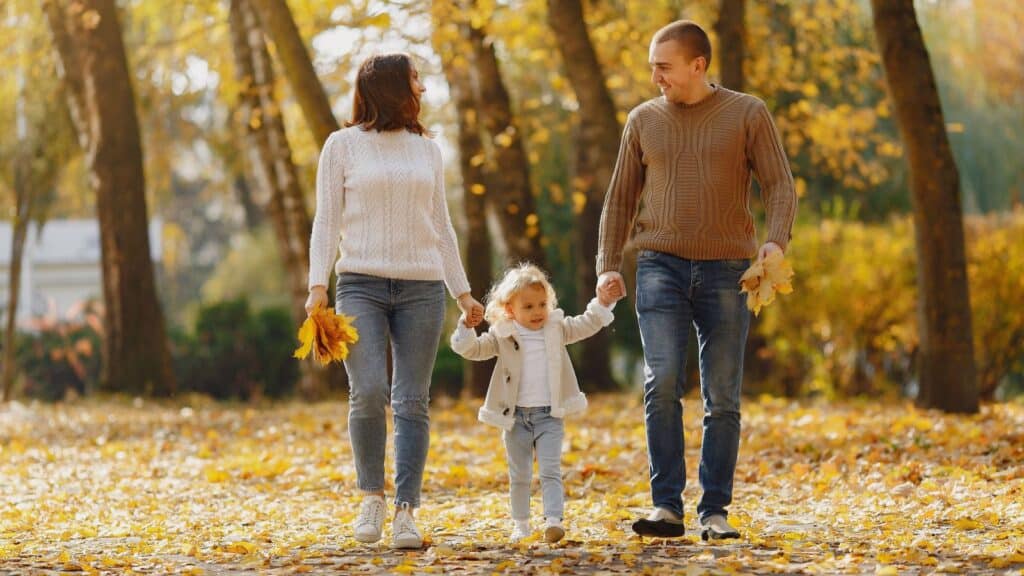
Fall color helps, but a crowded pumpkin patch is not required. Consumer Reports recommends scouting a simple background in advance and watching for poles, branches, or streetlights that appear to grow from someone’s head. Pick a place with safe room for children to move and an easy walking distance for the whole family. A quiet park, backyard, or plain tree line can keep attention on faces instead of scenery.
Schedule Around Golden Hour
Golden hour usually means the last hour before sunset or the first hour after sunrise. Adobe’s photography guide explains that the sun’s low angle creates softer, warmer light than direct midday sun. The exact window changes with date, location, terrain, and cloud cover, so check the local sunset time and confirm the schedule with your photographer. In fall, an earlier sunset may also fit a young child’s bedtime better than a late summer session.

Retire ‘Say Cheese’
A spoken command can produce a smile without the feeling behind it. In a HuffPost article republished by Yahoo, family photographer Tammy Karin says she avoids asking people to smile because the result can look forced. Lifestyle photographer Anastasia Karnoupakis also skips “look at the camera and say cheese.” Ask siblings to tell a joke, let a parent whisper something silly, or prompt everyone to look at one another instead.
Use Motion Instead of Rigid Poses
Movement gives hands a purpose and creates expressions that are harder to hold on command. Photographer Pye Jirsa suggests simple actions such as walking toward the camera, dancing, hugging, playing tag, or running a short distance. The photographer can still arrange the family in good light first, then add motion. Choose activities that match each person’s age and ability, and keep young children safely on the ground.
Turn Directions Into Games
Children often respond better to play than a list of poses. Oklahoma City photographer Missy Mayo says she uses games to add natural laughter and movement while keeping sessions engaging. Try peekaboo with a baby, red light, green light with preschoolers, or a funniest-face contest with older children. Keep each game short so the photographer can capture the reaction before attention shifts.
Let Kids Act Their Age
Perfect behavior is not a requirement for a useful gallery. Utah photographer Rachel Henderson says strong family images can happen when children are allowed to run, explore, play, and interact. Those prompts create genuine expressions while giving the photographer chances to capture planned portraits and quieter moments between them. Bring water, a clean snack, and a backup outfit, then allow room for a wiggle break or change of plan.
Make the Session Feel Like Family Time
Photographs feel personal when the hour contains something the family would actually do together. Build the session around comfort, conversation, and a little play, then let the photographer shape those moments with light and composition. Years later, the image may matter because it preserves a familiar laugh or gesture, not because everyone held the same pose at the same time.