
Every fast-food menu has old favorites and odd experiments that customers still remember. Some lasted for years. Others disappeared after sales cooled, packaging changed or kitchen demands got in the way. These 11 did not vanish for one reason, but each eventually lost its regular spot on the menu.
Yumbo
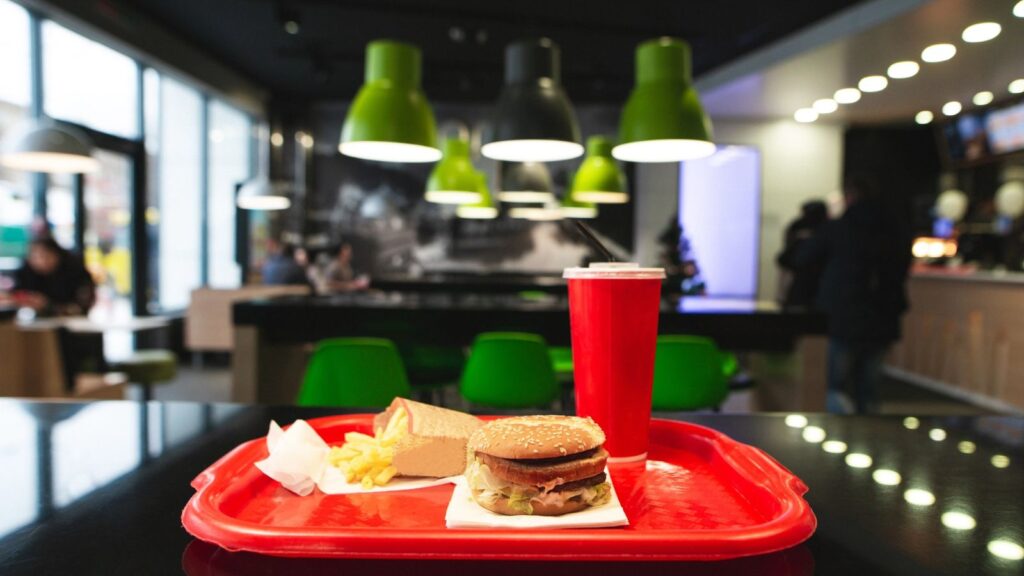
Burger King’s Yumbo ran for six years before the chain retired the hot ham-and-cheese sandwich in 1974. In 2014, Burger King brought it back nationwide for a limited run. The new version added lettuce, mayonnaise, and a toasted hoagie bun to the original ham and cheese.
Bell Beefer
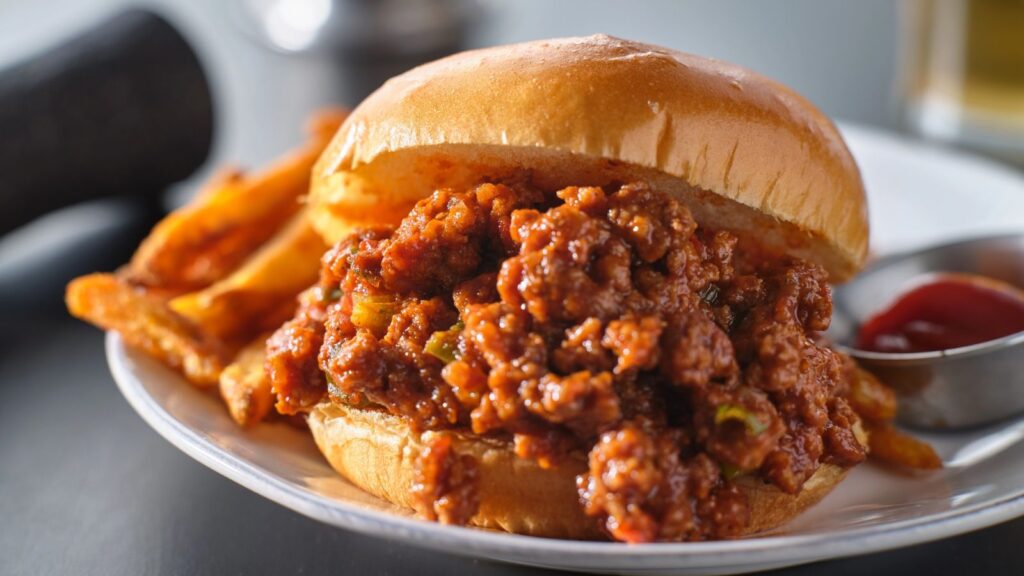
Taco Bell’s first 1962 menu included a chili burger filled with taco-seasoned beef. The name changed to Bell Burger during the 1970s and then Bell Beefer by the late 1970s. The exact final year is unclear, but SFGate says it was phased out by the mid-1990s.
McDLT
The McDLT used a two-part foam container. One side held the hot beef and bottom bun. The other held the cool toppings. McDonald’s discontinued it in the early 1990s. Its special package was central to the idea, and its end came as McDonald’s moved away from polystyrene.
Priazzo
Pizza Hut launched the double-crusted Priazzo in June 1985 in Roma, Milano and Florentine versions. It used about a pound of cheese. In early 1986, PepsiCo reported Pizza Hut revenue up 12%, aided in part by the Priazzo. The pie was disappearing by 1991, though Pizza Hut print mentions continued into 1993.
McLean Deluxe
McDonald’s introduced the McLean Deluxe in 1991 as a lower-fat burger. The patty combined beef, water, and carrageenan, an extract derived from seaweed. Contemporary reporting called sales a disappointment and said McDonald’s stopped media advertising for it. The burger was discontinued in 1996.
Bigfoot
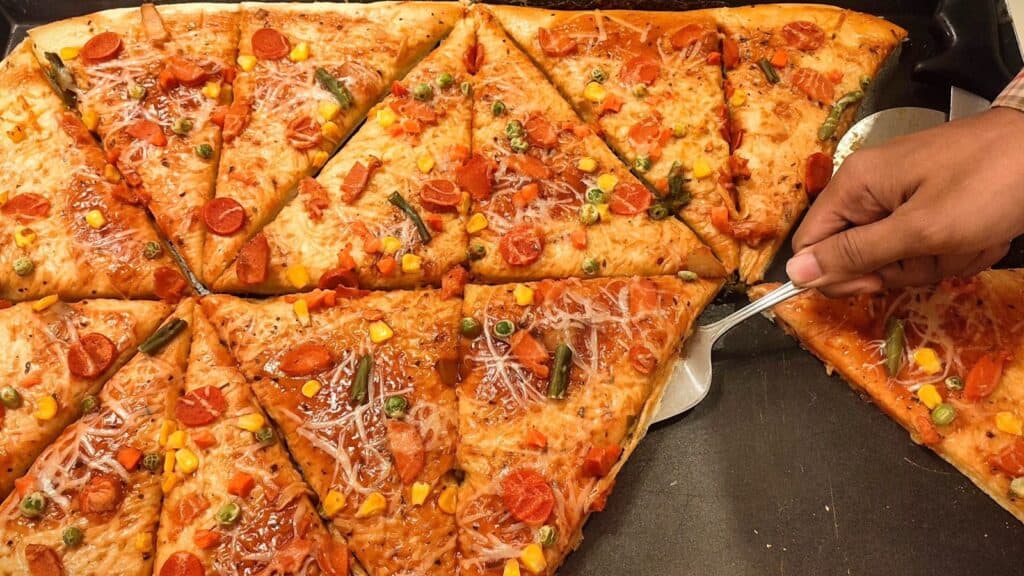
Pizza Hut’s 1993 Bigfoot measured 12 by 24 inches, covered two square feet and came cut into 21 slices. It cost $10.99 for up to three toppings. Pizza Hut pulled the oversized pizza from the market after about a year.
SuperBar
Wendy’s made the SuperBar a major 1988 rollout after earlier tests. The buffet had Italian, Mexican, and Garden Spot salad stations. Pasta and tacos were among the choices. Wendy’s planned to install the SuperBar in all 1,120 company-owned restaurants by summer 1988. It was gone before the end of the 1990s.
Arch Deluxe
McDonald’s launched the Arch Deluxe nationally in May 1996 as a burger aimed at adult tastes. It received a huge advertising push, but the response was weak. McDonald’s kept the burger at select restaurants in 1998 and 1999 before removing it completely in 2000.
Super Size
McDonald’s began phasing out Super Size fries and drinks in 2004. The company said menu simplification was the main reason. It also said relatively few Super Size fries were sold. The announcement came as Super Size Me drew attention. McDonald’s said the documentary had nothing to do with the decision.
Satisfries
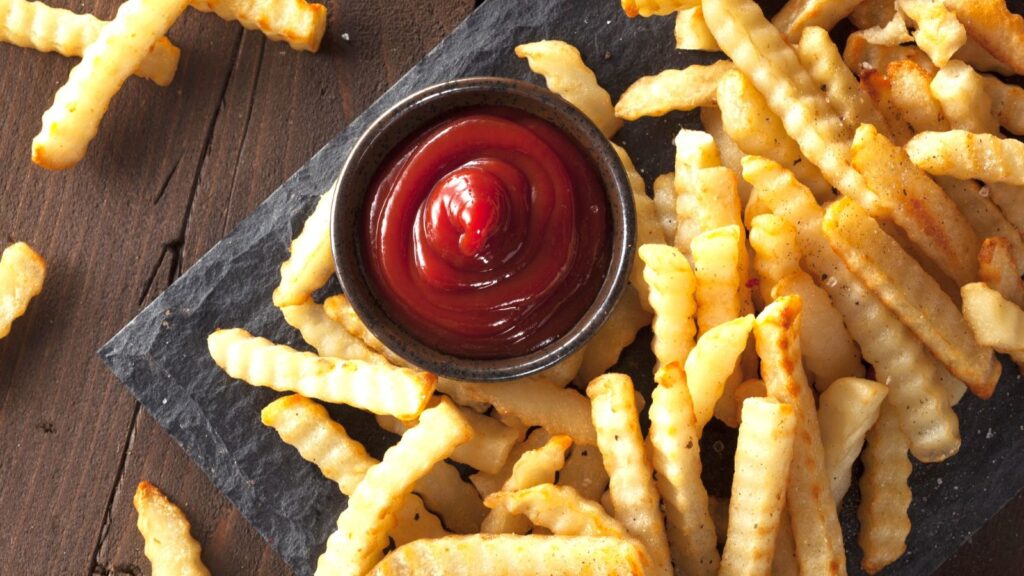
Burger King introduced Satisfries in September 2013 as a lower-calorie alternative to its regular fries. A small order had 270 calories and cost 30 cents more. In August 2014, most North American franchises chose to phase them out. About 2,500 of 7,400 restaurants opted to keep them.
McPizza
McDonald’s tested and rolled out McPizza at restaurants across the U.S., but most locations eventually dropped it because it took too long to prepare. The final two traditional holdouts, in Ohio and West Virginia, stopped after a corporate decision in 2017. Orlando’s Epic McD was still serving pizza in 2026.
Why Fast-Food Favorites Vanish
Fast-food menus change for all kinds of reasons. Sales can disappoint. Kitchen routines can get too complicated. A format that once seemed clever can stop making sense. That is how yesterday’s big launch can turn into the menu item people still ask about years later.