
A five-and-dime could turn a few coins into a real decision. You could walk in with pocket change and leave with candy, a card, or a small toy you picked yourself. The aisles were filled with inexpensive things that felt within reach. What made the format memorable was not one exact price. It was the feeling that a little money could still buy you a choice.
Penny Candy
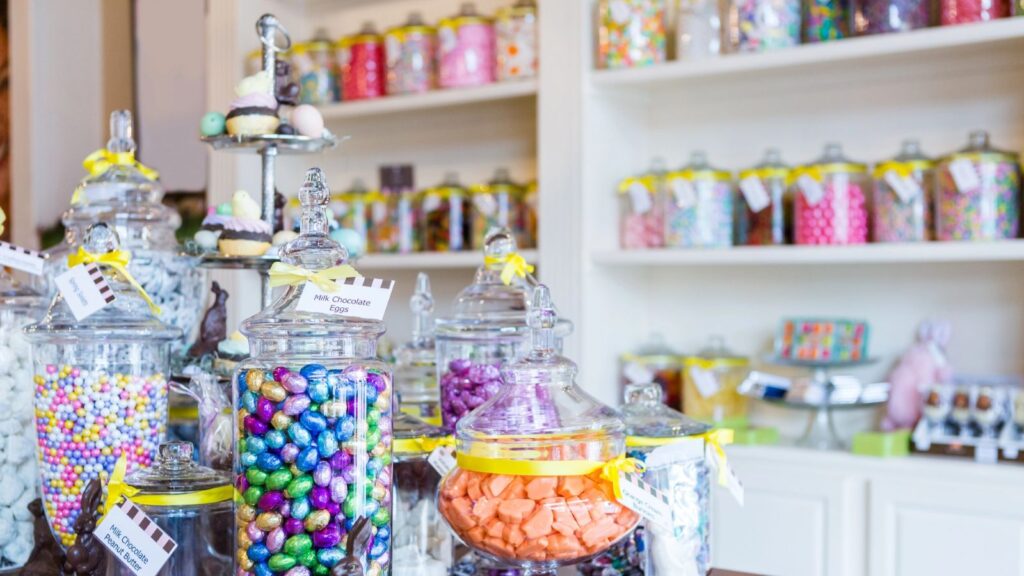
Loose candy belonged at the five-and-dime counter. In 1886, Frank Woolworth tried selling a quarter-pound assortment for 5 cents, far below the prevailing price he had observed. The format made picking candy part of the fun. You could choose a little of this and a little of that without turning the purchase into a major treat.
Greeting Cards
Cards were another easy grab from the neighborhood dime store. A history of the Carlisle, Pennsylvania Woolworth recalls schoolchildren buying Valentine cards there and Christmas counters stocked with boxed cards. A birthday, holiday, or classroom exchange did not require a special trip to a card shop.
Sewing Notions
A broken zipper or missing button could send you straight to the notions counter. Woolworth sold practical little fixes such as zippers, safety pins and sewing needles alongside ribbons and other household goods. The point was simple: small repairs had small solutions, and the store kept many of them within easy reach.

Marbles and Jacks
Dime stores also stocked pocket-sized entertainment. A Washington Post retrospective on Woolworth recalled marbles and jacks among the kid-friendly goods. You did not need a screen, charger, or complicated instructions. A handful of pieces could turn a sidewalk or kitchen floor into the whole game.
Crayons and School Supplies
Back-to-school shopping could happen at Woolworth, too. A history of its Carlisle store recalls children in the 1940s and 1950s buying crayons, pencils, scissors, erasers and paste there. Those basics were useful in class, but a fresh box of crayons also carried the promise of a long afternoon of drawing at home.
Comic Books
Comic books fit the pocket-change idea especially well. Comichron reports that U.S. comics were mostly priced at 10 cents until 1961. Publishers held that price for years partly by cutting page counts from 64 to 48 and finally 32 pages. For a kid browsing the rack, a dime could still open a whole new story.
The Pet Counter
Yes, Woolworth sold live animals. A Washington Post retrospective described pet departments with parakeets, canaries, baby turtles and goldfish. The tiny-turtle trade changed after 1975. FDA says its rule bans the sale of turtles with shells under 4 inches because of salmonella concerns, with exceptions for purposes such as science, education and exhibition.
Cosmetics and Toiletries
The beauty counter offered another kind of affordable treat. Woolworth carried toiletries, perfume and cosmetics for decades, including in its U.S. stores. Small sizes helped keep prices low, which meant a lipstick, perfume or grooming item could be an attainable purchase rather than a department-store splurge.
Glass Christmas Ornaments
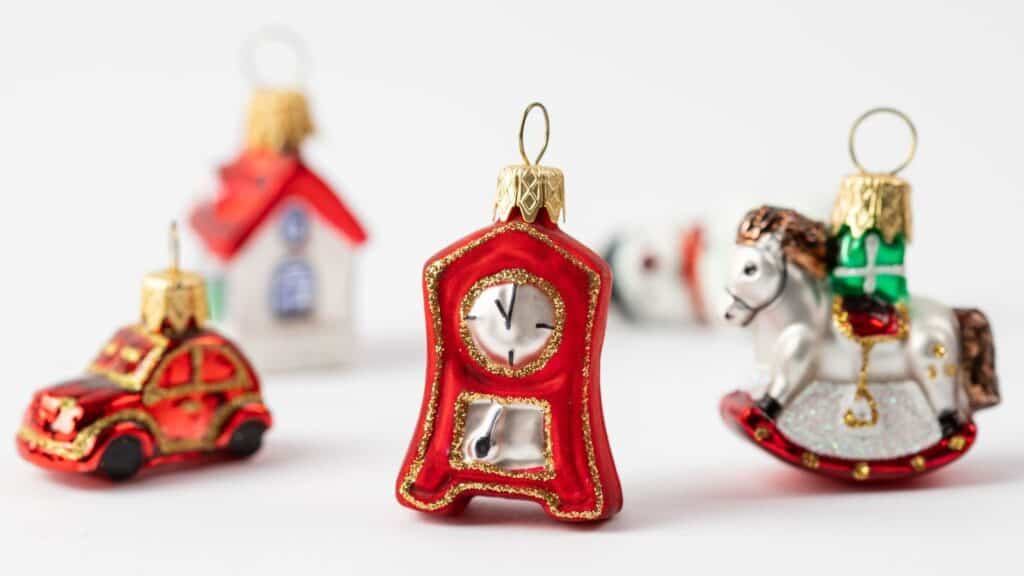
Christmas gave the five-and-dime one of its prettiest staples. In 1880, Frank Woolworth took a chance on a case of 144 German glass ornaments. They sold out in less than a day, and ornaments became an important part of the chain’s holiday business. The fragile decorations brought a little shine home without requiring a luxury-store budget.
Why Pocket Change Meant More
Small purchases at the five-and-dime could feel surprisingly personal. Choosing a card, toy, or treat with your own coins gave even a young shopper a bit of control over money. Deciding what was worth spending on could make a nickel or dime feel important long after the thing you bought was gone.