
You’ve probably tossed food that was still perfectly good, just because a date on the package looked scary. Here’s the truth: almost none of these dates are about safety. They’re about quality. There’s exactly one product where the date really is a hard stop, and once you know which one, the rest of this list gets a lot less stressful.

Infant Formula is the One Real Exception
Federal law requires a use-by date on infant formula, and it’s the only food product where that’s true. The rule is direct: “Do not buy or use baby formula after its ‘Use-By’ date.” Past that date, the formula may no longer contain the full nutrients listed on the label, so this is the one date on your shelf that actually means stop.
Best-before Doesn’t Mean Unsafe
“Best if used by” is the phrase federal agencies actually want manufacturers to use, and it’s a flavor call, not safety. It marks when a product is at peak quality, not the day it turns dangerous.
Sell-by is a Note to the Store, Not You
A sell-by date tells the retailer how long to keep an item on the shelf for inventory management.
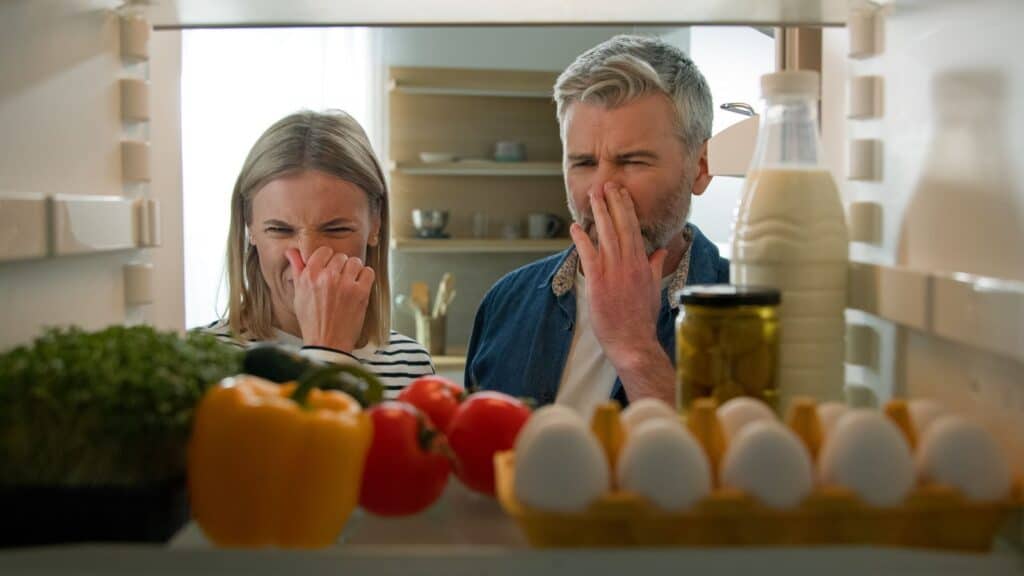
Your Nose Can Flag Spoilage, but It Can’t Clear You
Spoilage bacteria are what make food smell or taste off, and they’re not the same bacteria that make you sick. Pathogenic bacteria, the kind behind food poisoning, often don’t change how food looks, smells, or tastes at all.
Freezing Pauses the Clock; It Doesn’t Reset It
Freezing doesn’t kill bacteria. It just stops them from multiplying. Once you thaw the food, anything that survived is right where it left off. Food frozen properly at 0°F stays safe indefinitely, though the quality does fade the longer it sits.
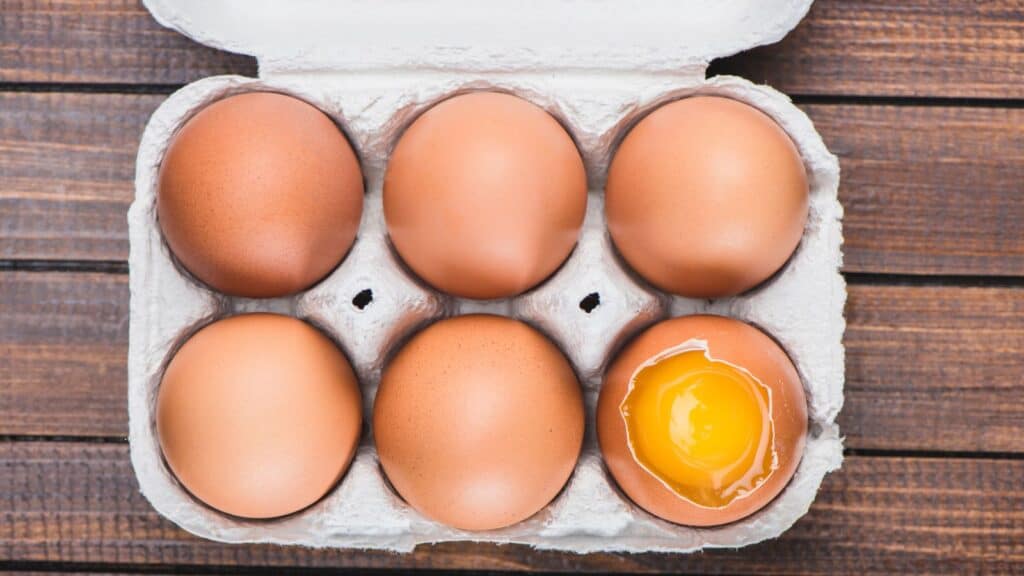
Eggs Don’t Go Bad the Moment the Date Hits
Egg cartons that carry the USDA grade shield have a sell-by date, not a safety date, and by law that date can’t be more than 30 days after the eggs were packed. Keep eggs refrigerated in their original carton, and the quality holds up well past that stamp.
Canned Goods Have More Time Than the Date Suggests
Once a can is sealed and undamaged, it’s shelf-stable for a long stretch: roughly 12 to 18 months for high-acid foods like tomatoes and fruit, and two to five years for low-acid foods like meat and vegetables.
A Dented or Swollen Can is the Real Red Flag
Skip a can that’s dented, rusted, leaking, or swollen, no matter what the date says. That kind of damage is what actually signals a contamination risk, not the printed date.
Milk Cares More About Your Fridge Than Your Calendar
The date on a milk carton is not a federally standardized safety deadline. What matters for safety is proper refrigeration and handling. Keep milk in the fridge at 40°F or below, and don’t leave it sitting out for extended periods. That’s what slows the bacteria that eventually sour it.
Leftovers Run on Their Own Four-day Clock
Once food is cooked, forget the package date entirely. Refrigerated leftovers are good for three to four days. If you want more time than that, freeze them.
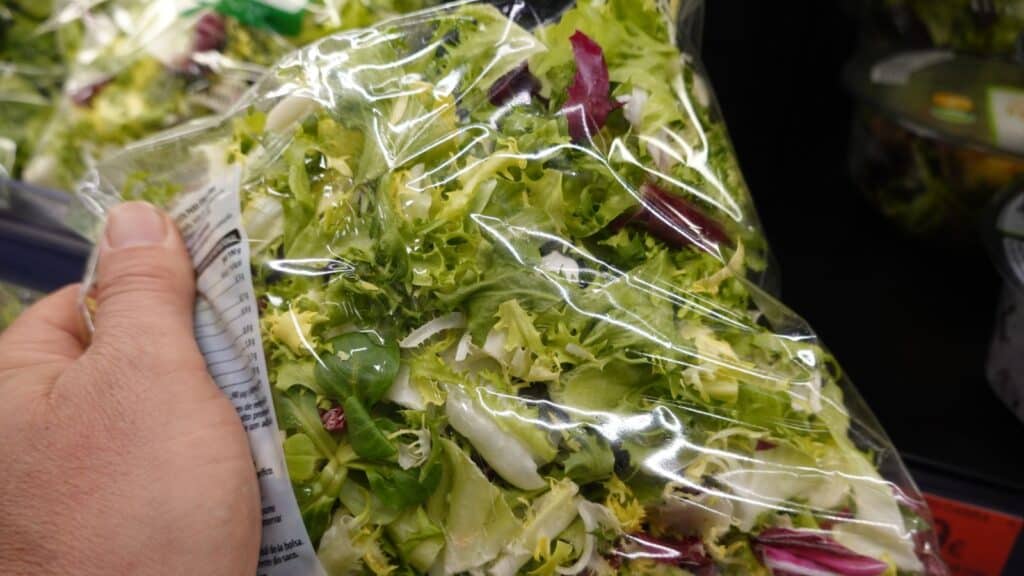
Bagged Salad Needs to Stay Cold, Dated or Not
A future date on the bag can’t compensate for improper storage. FDA recommends refrigerating all pre-cut or packaged produce; this one is blunt: “Refrigerate all produce that is purchased pre-cut or packaged.” If refrigerated produce has been left at room temperature for too long, the date on the package doesn’t make it safe.
The Bottom Line
The dates on your food are mostly giving you a heads-up about flavor, not a warning about safety. Trust your fridge more than the calendar, and save the real caution for the one product that’s actually regulated: infant formula.