
A recall can hit foods that look completely ordinary in your cart. Eggs, lettuce, flour, and frozen fruit have all been tied to major FDA investigations, while peanut products and cantaloupe have been linked to outbreaks that reached hundreds of people. These nine examples show why food-safety alerts can reach far beyond the products you might expect.

Eggs
The 2010 shell egg outbreak is a reminder that a basic breakfast staple can set off a nationwide response. CDC estimated that about 1,939 reported illnesses were likely associated with the Salmonella Enteritidis outbreak. Traceback and FDA findings pointed to Wright County Egg and Hillandale Farms in Iowa, and both companies issued nationwide voluntary recalls.
Leafy Greens
Romaine lettuce from the Yuma growing region was linked to a major E. coli O157 outbreak in 2018. FDA counted 210 illnesses, 96 hospitalizations, and five deaths. Investigators found the outbreak strain in an irrigation canal and concluded that canal water most likely led to contamination, while noting that other routes could not be ruled out.
Peanut Products
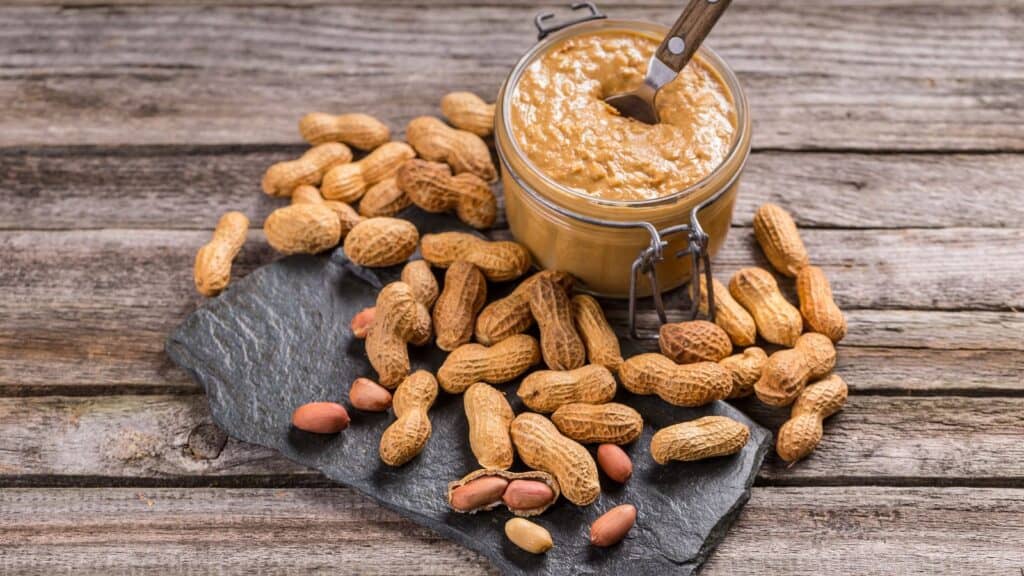
The 2008 to 2009 Peanut Corporation of America outbreak spread through far more than jars of peanut butter. CDC reported 714 illnesses in 46 states and said the infection may have contributed to nine deaths. More than 3,900 peanut-containing products made by more than 200 companies were pulled from shelves as part of the recall.
Cantaloupe
Jensen Farms cantaloupes were linked to a devastating Listeria outbreak in 2011. CDC’s final count reached 147 illnesses in 28 states and 33 outbreak-associated deaths. Investigators traced the cantaloupes eaten by patients back to Jensen Farms in Colorado, where FDA also found outbreak subtypes of Listeria in samples from equipment and cantaloupe.
Cucumbers
A 2024 Salmonella outbreak tied to cucumbers reached 34 states and Washington, D.C. FDA reported 551 illnesses and 155 hospitalizations. Laboratory, epidemiological, and traceback evidence identified cucumbers from Bedner Growers and Thomas Produce Company in Florida as likely sources, although FDA said those growers did not explain every illness in the outbreak.
Ice Cream
Ice cream can also be recalled before illnesses are reported. In June 2024, Totally Cool Inc. recalled multiple brands of ice cream products distributed nationwide after FDA sampling found Listeria monocytogenes. The company stopped production and distribution of the affected products, and no illnesses had been reported at the time of the announcement.
Onions
Slivered onions served on McDonald’s Quarter Pounders were identified as the likely source of a 2024 E. coli O157 outbreak. FDA reported 104 illnesses in 14 states, 34 hospitalizations, and one death. Taylor Farms recalled yellow onions, although the outbreak strain itself was not found in onion or environmental samples.
Frozen Strawberries
FDA linked a 2023 hepatitis A outbreak to frozen organic strawberries imported from Baja California, Mexico. The outbreak caused 10 illnesses and four hospitalizations. The virus strain matched a separate 2022 outbreak involving fresh organic strawberries, and FDA traceback found that a single farm was associated with strawberries eaten by patients in both outbreaks.

Flour
A 2023 Salmonella Infantis outbreak shows why warnings about raw flour matter. FDA and CDC linked the outbreak to recalled Gold Medal flour, with 14 illnesses in 13 states. FDA traced flour eaten by patients to a single production facility, and a retained product sample tested positive for Salmonella matching the outbreak strain.
Recalls Can Start in Familiar Places
These cases are not a reason to stop buying eggs, lettuce, fruit, or flour. A recall applies to specific products and circumstances, not every food in the category. Reading the recall details, checking brand and date information, and then following FDA disposal or return instructions can tell you whether the food in your kitchen is affected.