
You have probably seen Parmesan, feta, and balsamic vinegar on grocery shelves without giving the exact wording much thought. Across Europe, certain food names have legal protection tied to a place and a product specification. In the EU, food names can be registered as Protected Designations of Origin, or PDOs, and Protected Geographical Indications, or PGIs. Great Britain is covered by the UK’s own post-Brexit GI schemes. On these labels, a few extra words can carry a surprising amount of legal weight.
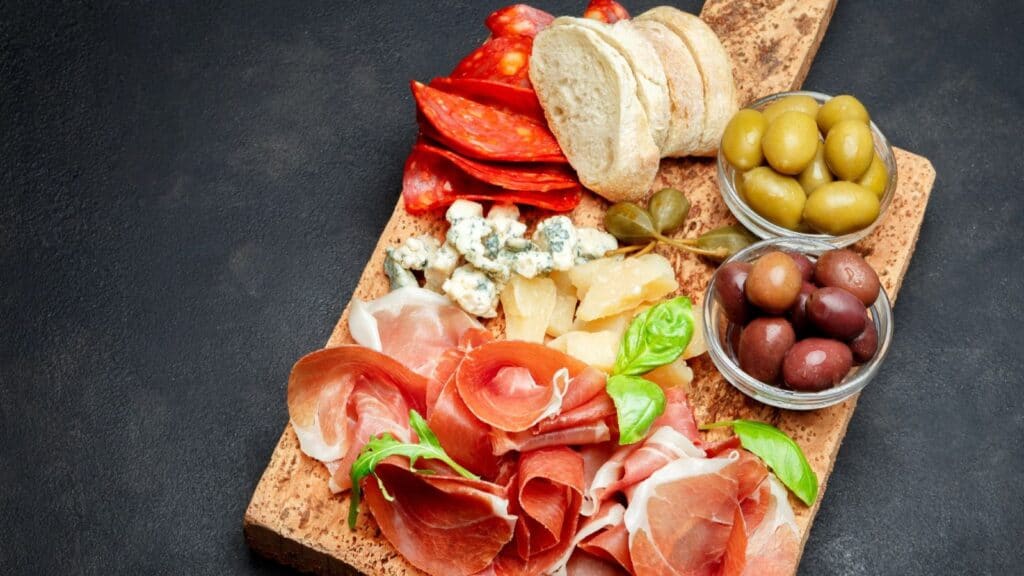
Parmigiano Reggiano Means Something Specific
Parmigiano Reggiano is a PDO. Its protection reaches beyond the exact Italian wording. The EU Court of Justice ruled that “Parmesan” can evoke the protected designation Parmigiano Reggiano. This is more than a simple difference between an Italian name and an English-language shortcut.
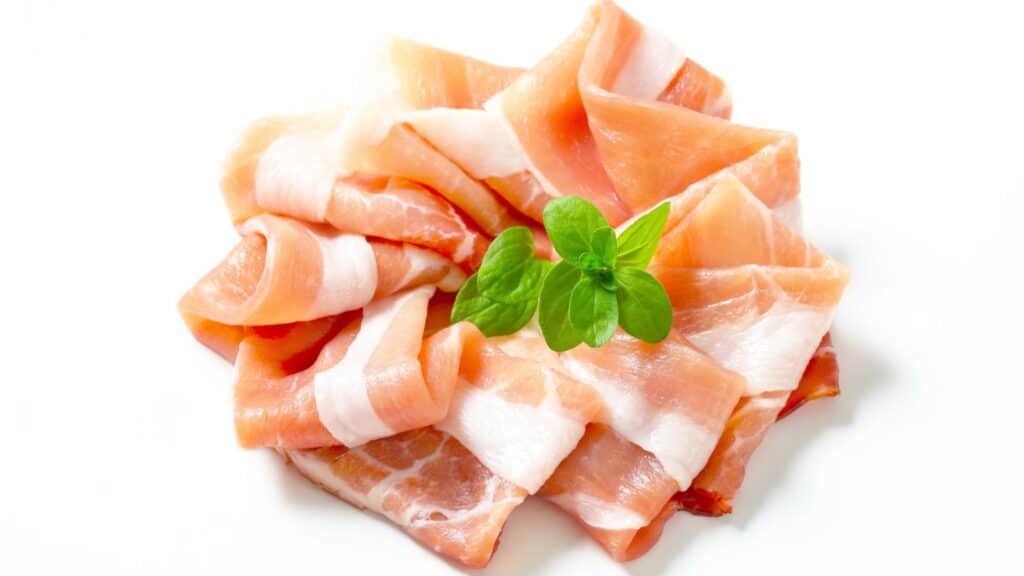
Prosciutto di Parma is a PDO
Prosciutto di Parma is also a Protected Designation of Origin. The full name identifies ham covered by a registered specification and a defined geographic link. The broader word “prosciutto” does not make the same claim. The place name is doing real legal work on the label.
Roquefort Has PDO Protection
Roquefort is another PDO. The protected name is tied to a detailed product specification and a defined geographic area in France. It is not simply a general label for any blue cheese with a similar salty, sharp flavor.
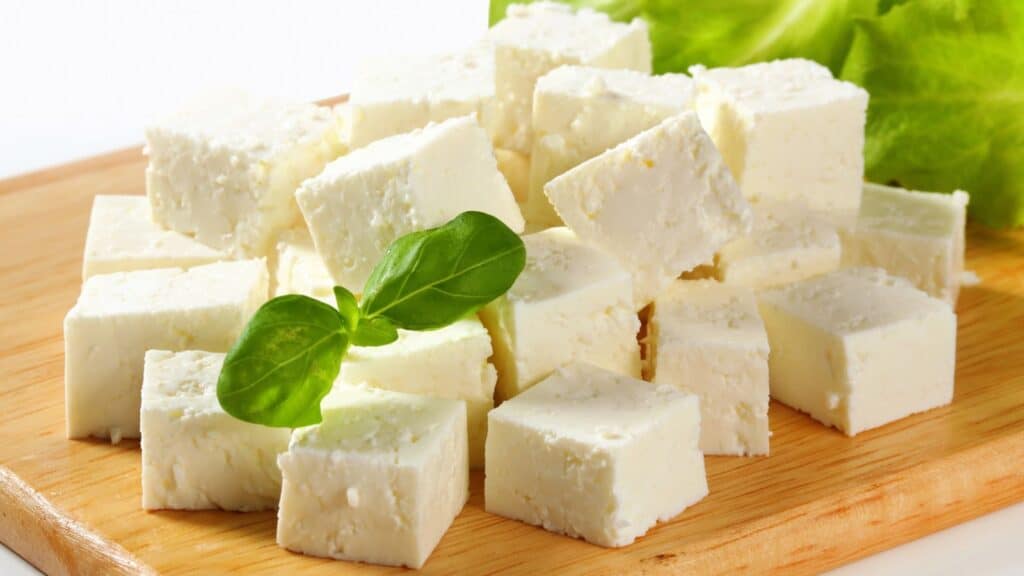
Feta Has a Greek Legal Identity
Feta is registered as a Greek PDO. The protected name is tied to a specific product specification and geographic area. It is not just a broad style of white brined cheese. A similar-looking cheese can be sold, but that does not automatically give it the right to use the protected name in the EU.
Gorgonzola is a Protected Italian Name
Gorgonzola is an Italian PDO, even though the word can sound generic after years of appearing on menus and cheese counters. The protected designation belongs to cheese that meets the registered requirements. A blue cheese with a similar flavor or texture is not automatically Gorgonzola under EU rules.
Elia Kalamatas is the Protected Olive Name
The legal wording around Kalamata needs extra care. Elia Kalamatas is a Greek PDO for table olives. A separate PDO, Kalamata, applies to olive oil. These are two different protected names for different products. It is safer to check the full registered name and product category rather than treat “Kalamata” as one catch-all designation.
Aceto Balsamico di Modena is a PGI
Aceto Balsamico di Modena is a Protected Geographical Indication. EU law protects the full name. The Court of Justice has ruled that this protection does not automatically extend to individual non-geographic words such as “aceto” or “balsamico.” The complete wording on the bottle matters.
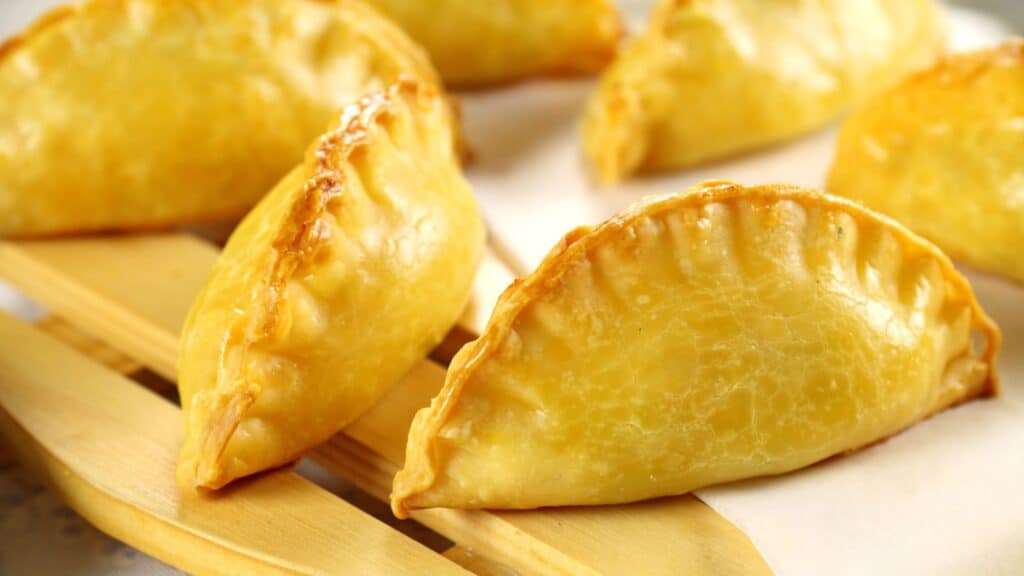
Cornish Pasty Sits on the UK Register
Cornish Pasty is a PGI on the United Kingdom’s post-Brexit register. It was already registered with the EU before Brexit. Current UK guidance says names protected in the EU on December 31, 2020 are protected under both the UK and EU GI schemes. Cornish Pasty is therefore not a UK-only designation.
Melton Mowbray Pork Pie Has UK Protection Too
Melton Mowbray Pork Pie is also a PGI on the UK scheme. GOV.UK records its earlier EU registration. Like Cornish Pasty, it falls into the group of pre-2021 names covered by both systems. Its full name points to an official protected designation rather than a generic pork pie style.
The Bottom Line
The next time a European food label looks unusually specific, read the whole name before assuming it is just marketing. With PDOs and PGIs, the exact wording can point to an official origin, a product specification, and legal protection that a similar food does not automatically share.