
Feeding a soldier in the field is a logistics problem before it’s a taste problem: chocolate that survives a desert without melting, cheese that travels for months with no fridge in sight, and orange juice concentrated enough to cross an ocean and still taste like orange juice. The U.S. military has spent nearly a century solving problems like these, and more of the answers ended up in your pantry than you’d expect.
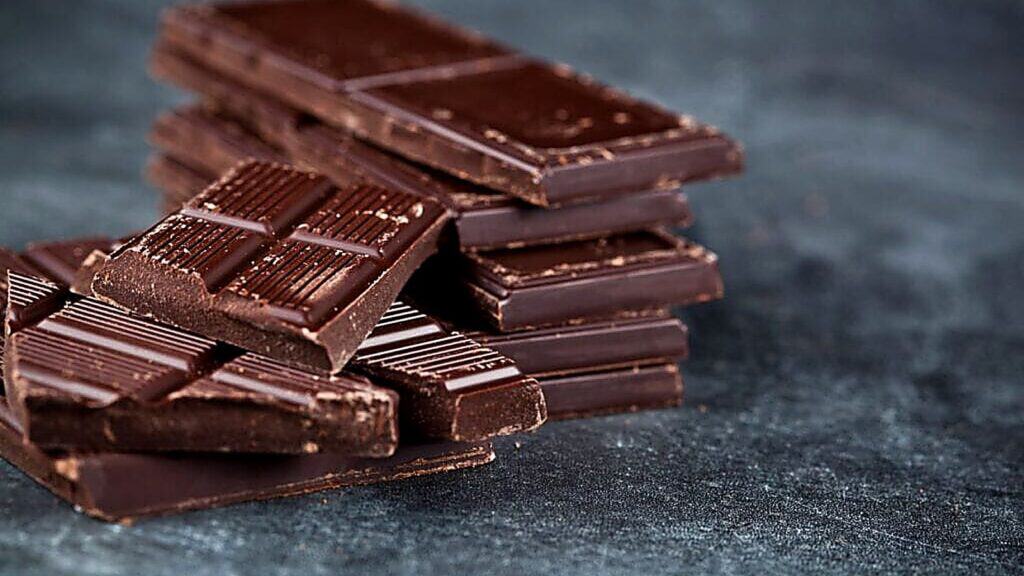
The Ration D Bar
In 1937, Army Capt. Paul Logan asked Hershey to make an emergency chocolate ration that could handle high temperatures and would not taste tempting enough to eat like ordinary candy. Hershey archives show that company chemist Sam Hinkle developed a dense 4-ounce bar with 600 calories. Logan wanted it to taste only a little better than a boiled potato. The mixture was so thick that it had to be pressed rather than poured into molds.
The K-Ration
Physiologist Ancel Keys helped develop the compact K-ration for U.S. troops during World War II. Army University Press describes it as a precursor to modern rations. It came in three waterproof cardboard boxes for breakfast, lunch, and dinner, giving troops a full day of food in a package made for carrying into the field.
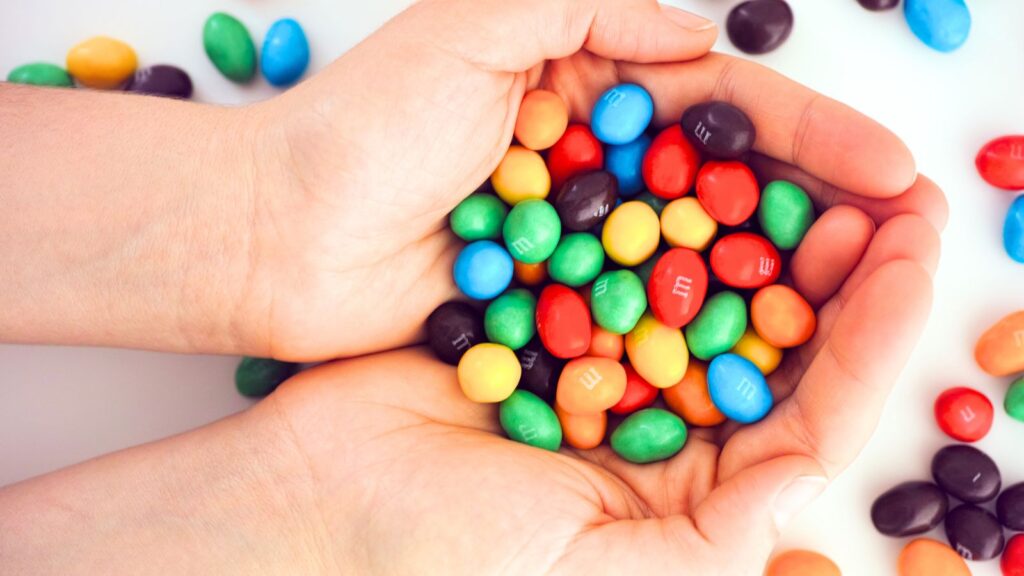
M&M’s
M&M’s have one of the clearest military connections on this list. Mars history says the first M&M’s Plain Chocolate Candies were made for the U.S. military in 1941. The brand did not launch to the general public until 1945, making its early military role much easier to document than many other snack-food origin stories.
Dehydrated Cheese
Early in World War II, the Army Quartermaster Corps funded USDA research into dehydrating cheese for soldiers. USDA scientist George Sanders developed a workable method for drying the fatty food without ruining it. After the war, that process found civilian uses. The U.S. Army says Sanders’ powdered-cheese method was later used to flavor Cheetos.
Orange Juice Concentrate
The military wanted an economical way to get orange juice to troops overseas, so research into concentrated juice began in 1942. Early versions lost too much flavor. Researchers eventually found that adding fresh juice back to the concentrate restored a fresher taste. The National Park Service says the wartime project helped push orange juice concentrate toward the civilian market after World War II.
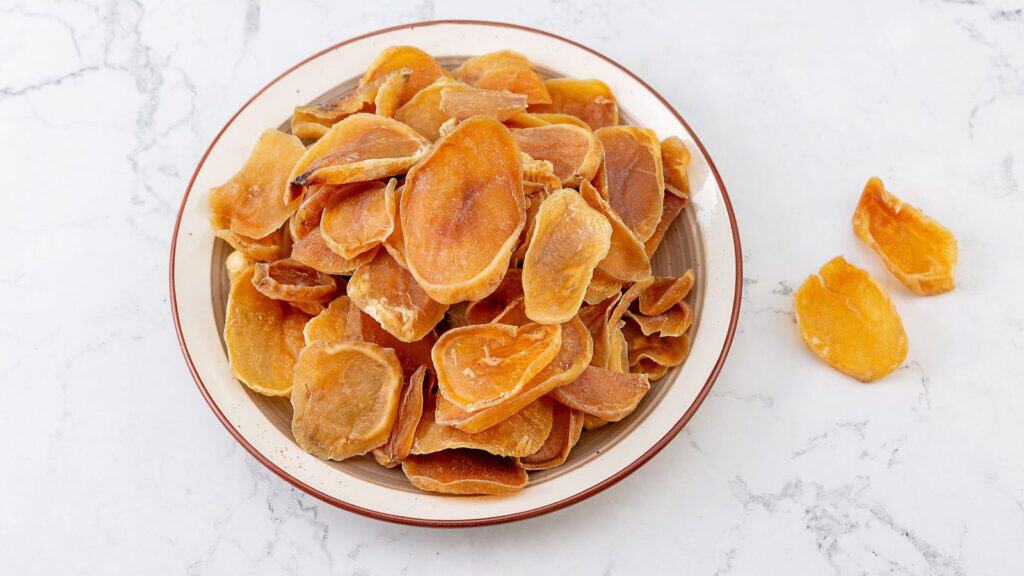
Dehydrated Potato Flakes
Potato flakes also have a military research connection. The U.S. Army says the USDA and Army Quartermaster Corps worked together on dehydrated potato flakes. That work later fed into civilian snack development, with the Army tracing the technology directly to the production of Pringles potato crisps.
Restructured Meat
Military researchers helped advance restructured meat rather than inventing the whole concept from scratch. At the Army’s Natick research center, scientists worked on a key step that helped pieces of meat bind while staying juicy. Gastropod reports that the military began serving restructured cuts to troops in the 1970s and also shared the technology with the food industry.
The HooAH! Bar
The HooAH! energy bar was developed for military use before it became a civilian product. The Washington Post reported in 2005 that the bar had been developed by the U.S. military for soldiers. A commercial partner later reformulated the military bar for retail sale, and court records show commercial HooAH! bars were available by August 2004. The civilian product did not begin under the Soldier Fuel name.
The Shelf-Stable Pocket Sandwich
The Army did not invent the pocket sandwich from scratch. Its Combat Feeding Directorate started with a commercially available microwavable sandwich and adapted the idea for field rations. The Army’s Combat Feeding Directorate explains that researchers used several preservation hurdles, including controls on moisture, acidity, oxygen, and packaging, to make the sandwiches stable without refrigeration. The finished pocket sandwiches became a centerpiece of the First Strike Ration for highly mobile troops.
From Field Rations to Grocery Shelves
Military food research is less about inventing snacks than solving hard problems: weight, spoilage, heat, storage, and portability. Sometimes the result stayed inside a ration pack. Other times the process or product crossed into civilian food. That is the more accurate connection behind everything from M&M’s to powdered-cheese snacks and potato crisps.