
Cookie dough and farm-stand cider can look wholesome right up until they make someone sick. Color and smell cannot reveal every bacterium or parasite, and freshness also cannot expose a natural toxin. Most of the 11 foods below get safer with a little heat or a pasteurized label, so the fix is easier than the risk sounds.
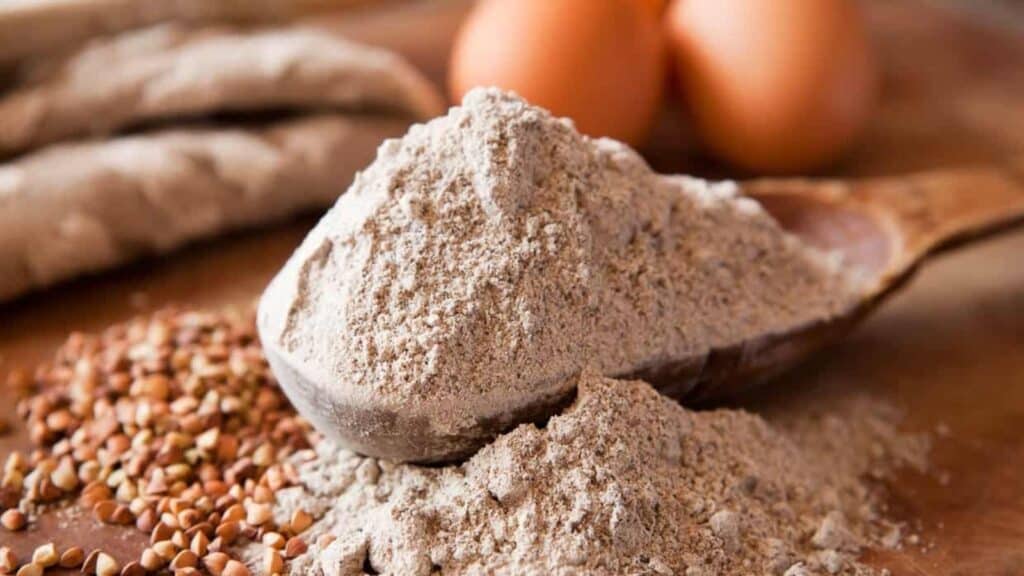
Raw Flour Is Still a Raw Ingredient
Flour does not look perishable. It can still carry E. coli or Salmonella before cooking. CDC guidance says raw flour and raw eggs can both make dough unsafe. Bake dough and batter as directed. For edible dough, choose heat-treated flour and pasteurized eggs.
Sprouts Favor Germs, Too
Seeds sprout in warm, damp conditions. Those conditions also help bacteria multiply. Washing may remove dirt. It cannot reliably remove germs throughout the sprouts. CDC lists raw sprouts as a riskier choice and recommends cooking them until steaming hot.
Dry Kidney Beans Need a Real Boil
Raw kidney beans contain phytohaemagglutinin, a natural lectin. High amounts can cause severe nausea, vomiting, and diarrhea. The FDA recommends soaking dried beans for at least five hours. Discard that water. Then boil the beans in fresh water for at least 30 minutes. Canned kidney beans are already fully processed.
Elderberries Must Be Cooked
Raw elderberries and their juice may contain cyanogenic glycosides. These compounds can release cyanide during digestion. Oregon State University Extension advises consumers to cook elderberries before eating them. Remove the stems and leaves because they contain more toxins. Do not use unidentified red elderberries in homemade food.
Untreated Juice Can Carry Germs
Fresh-squeezed juice can pick up bacteria from raw produce. Packaged untreated juice must carry an FDA warning. Juice sold by the glass at orchards, markets, or juice bars may not have one. Look for pasteurized products. If the label is unclear, ask about treatment before drinking.
Raw Milk Skips the Safety Step
Farm hygiene can reduce contamination. It cannot guarantee that raw milk is free of harmful germs. Those germs can include Campylobacter, E. coli, Listeria, Brucella, and Salmonella. Pasteurization kills them without reducing the milk’s nutritional value. CDC calls pasteurized milk the safest option, especially for people at higher risk.
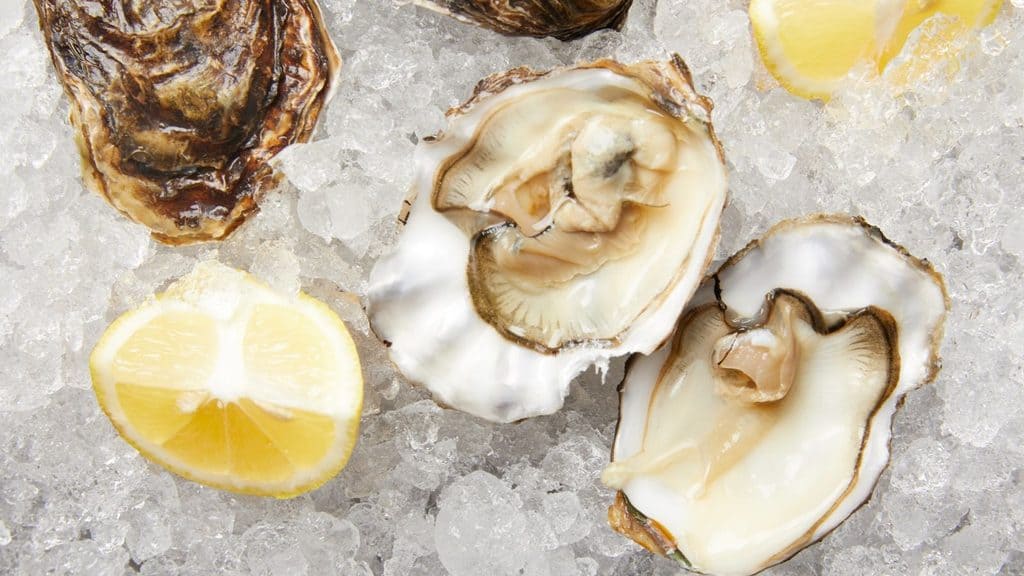
Raw Oysters Can Hide Vibrio
An oyster carrying Vibrio can look, smell, and taste normal. Lemon juice and hot sauce do not kill the bacteria. CDC gives clear cooking directions. Boil shell-on oysters until they open, then keep boiling for three to five minutes. Steaming takes four to nine minutes. Discard shells that never open.
Frozen Fish Is Not Germ-Free
Freezing fish kills many parasites. It does not kill every harmful germ. Raw sushi and ceviche can still carry risk, even when the fish was frozen first. The FDA recommends cooking fish to 145°F. Without a thermometer, cook it until the flesh is opaque and flakes easily.
Pink Burgers Need 160°F
Grinding can move surface bacteria throughout a burger. That makes color a poor doneness test. Use a thermometer and cook ground beef to 160°F. Whole beef cuts have a different minimum. The federal temperature chart calls for 145°F for steaks, chops, and roasts. Let the meat rest for three minutes before eating.
Runny Eggs Can Carry Salmonella
Clean, uncracked shells do not guarantee eggs are free of Salmonella. FDA guidance says the yolks and whites should be firm. Egg dishes should reach 160°F. Use pasteurized eggs for Caesar dressing, mousse, and homemade ice cream. The same advice applies to any dish served raw or undercooked.
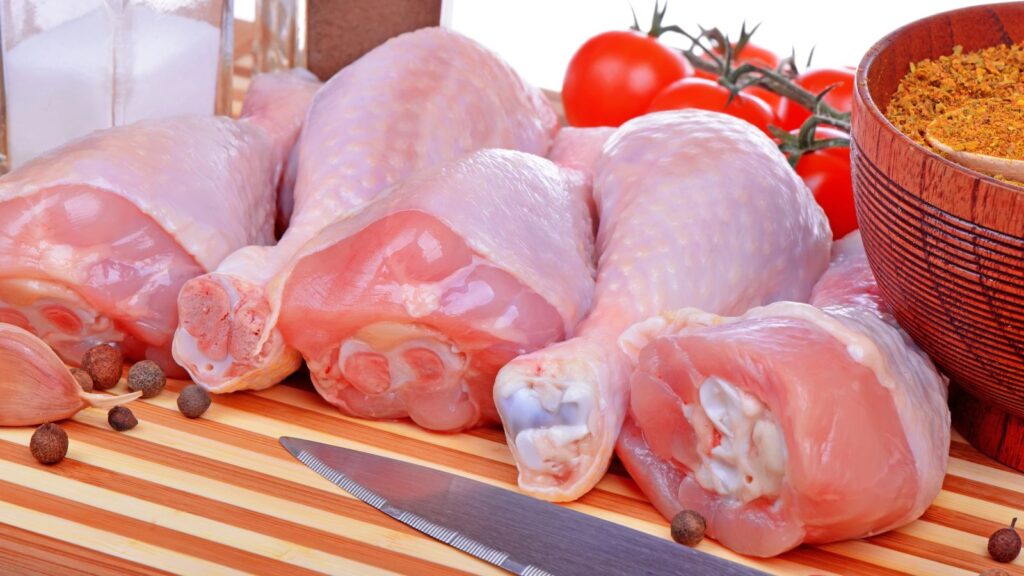
Chicken Needs a Thermometer
Raw chicken can carry Campylobacter, Salmonella, and Clostridium perfringens. Cook every part to 165°F. Check the thickest area with a thermometer. Do not rinse the chicken first. Splashing water can spread germs around the sink. CDC’s chicken guidance also says to keep raw juices away from ready-to-eat food.
Trust the Process, Not Your Senses
Food-safety advice can feel too cautious because a risky food may look safe. That is why a thermometer or pasteurization label matters. Clear preparation steps matter too. Small, repeatable checks beat confidence at the counter or cutting board.