
Bringing a favorite snack or ingredient home from a trip can seem harmless, but U.S. agricultural rules are strict for a reason. Some foods can carry pests or animal diseases, and what is allowed can change depending on where the item came from. The safest habit is simple: declare every agricultural product and check current USDA guidance before you fly.
Foods that seem harmless but can still be stopped
1. Fresh fruit
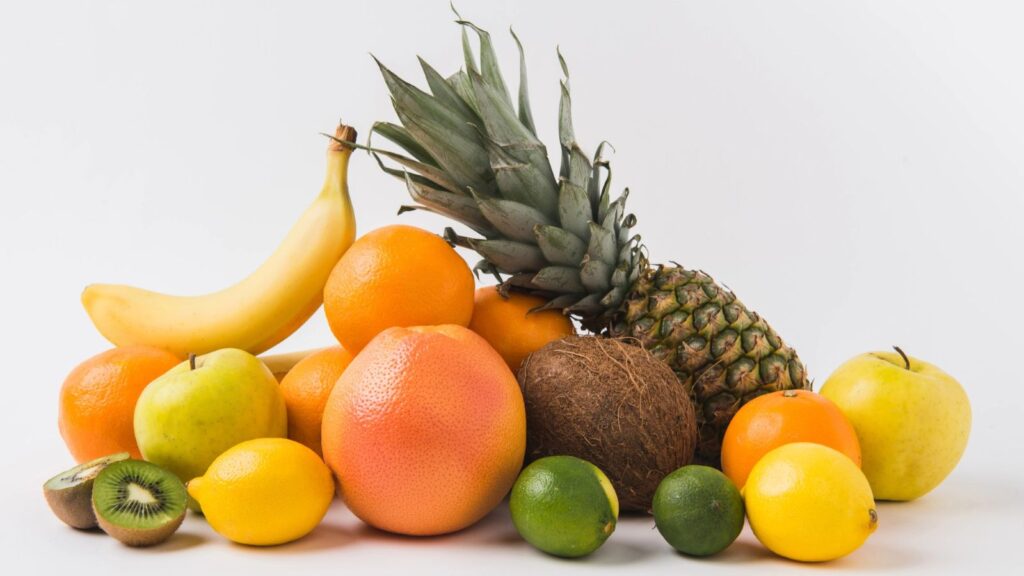
That apple from the hotel breakfast or mango from a market may never make it past inspection. USDA APHIS says almost all fresh fruits are prohibited from entering the United States because they can carry plant pests and diseases.
2. Fresh vegetables
Fresh vegetables face the same rules. Even small amounts for personal use can be refused entry, so do not assume a few tomatoes, peppers, or greens are automatically fine.
3. Frozen fruits and vegetables
Freezing does not guarantee a pass. USDA APHIS says almost all frozen fruits and vegetables are prohibited because some pests and diseases can survive freezing.
4. Home-canned fruits and vegetables
Commercially canned produce may be allowed when declared, but home-canned produce is not. Home processing may not remove the plant pest risks inspectors are watching for.

5. Most dried fruits and vegetables
Drying food does not always make it acceptable. Many dried fruits and vegetables are restricted, although USDA lists exceptions such as dates, figs, raisins, beans and some nuts.
6. Whole coffee berries
Roasted coffee is usually easier to bring home, but whole fresh coffee berries are different. The fruit surrounding the bean can carry exotic fruit flies, so fresh coffee cherries are prohibited at U.S. ports.
Animal products that depend heavily on origin
7. Fresh or raw meat
Meat rules can change with animal disease conditions in the country you visited. USDA restricts many meat products from places affected by diseases such as foot-and-mouth disease or African swine fever.
8. Certain cured hams and salami
USDA specifically restricts cured hams including prosciutto, Serrano ham and Iberian ham, along with salami from areas within France, Germany, Italy and Spain. Travelers cannot bring these products in personally because they require additional certification and documentation.
9. Fresh eggs
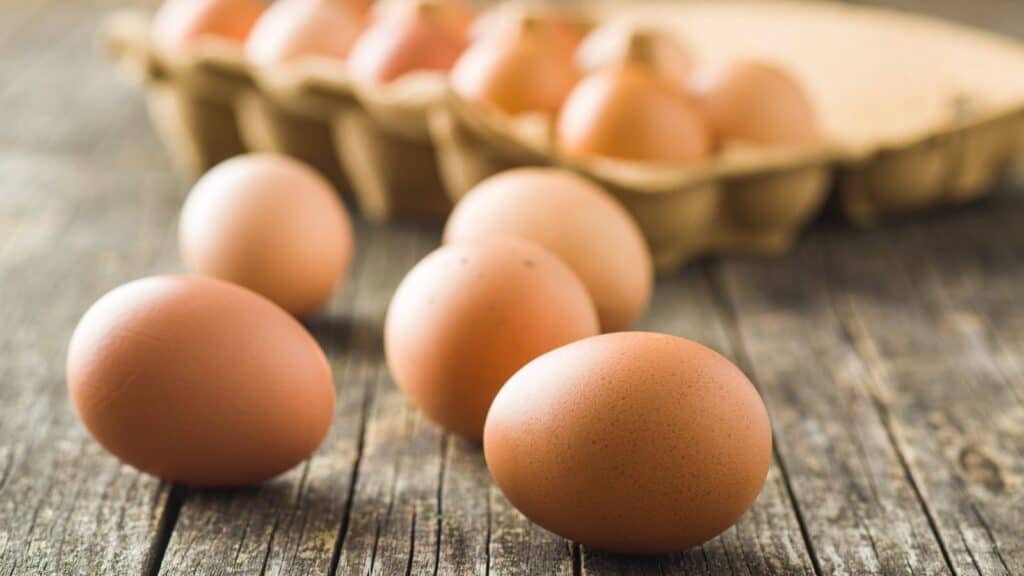
USDA does not allow most eggs or egg products from countries affected by highly pathogenic avian influenza or virulent Newcastle disease. Some commercially packaged or thoroughly cooked egg products are exceptions.
10. Milk and some dairy products
Milk and some dairy foods from countries affected by foot-and-mouth disease can be restricted. Solid cheeses may be treated differently, so the exact product matters.
Less obvious foods that can cause trouble
11. Certain spices
Most dried spices are allowed, but there are exceptions. USDA flags citrus leaves and seeds plus some fruit and vegetable seeds because they may carry plant pests.
12. Live snails
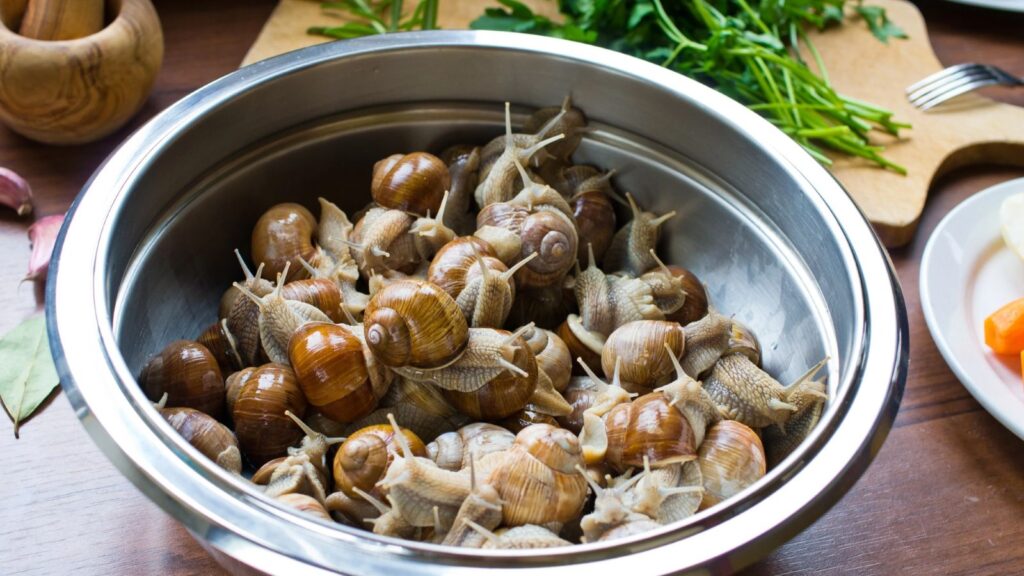
Escargot lovers should pay attention to how the snails are prepared. USDA says live snails cannot be imported for human consumption, while cooked, frozen, or otherwise processed snails may be allowed.
Border rules can change when pest or disease conditions change, so this list is never permanent. Declare what you are carrying and check current USDA APHIS guidance before packing food for the trip home.