
For most food, the fridge is either helpful or beside the point. For these seven, it works against you. Cold either damages the food directly or blocks something you actually want to happen, like ripening. Most of this is about flavor and texture. One item on this list also involves a health-related compound that can form during cooking, which is worth knowing on its own.

Potatoes
The FDA advises keeping raw potatoes out of the refrigerator. Cold temperatures convert the starch inside into sugar, and that sugar can increase acrylamide formation when the potato is later fried, roasted, or baked. Acrylamide is a compound linked to health concerns at high exposure levels. Store potatoes in a dark, cool pantry or closet instead, which also helps prevent sprouting.
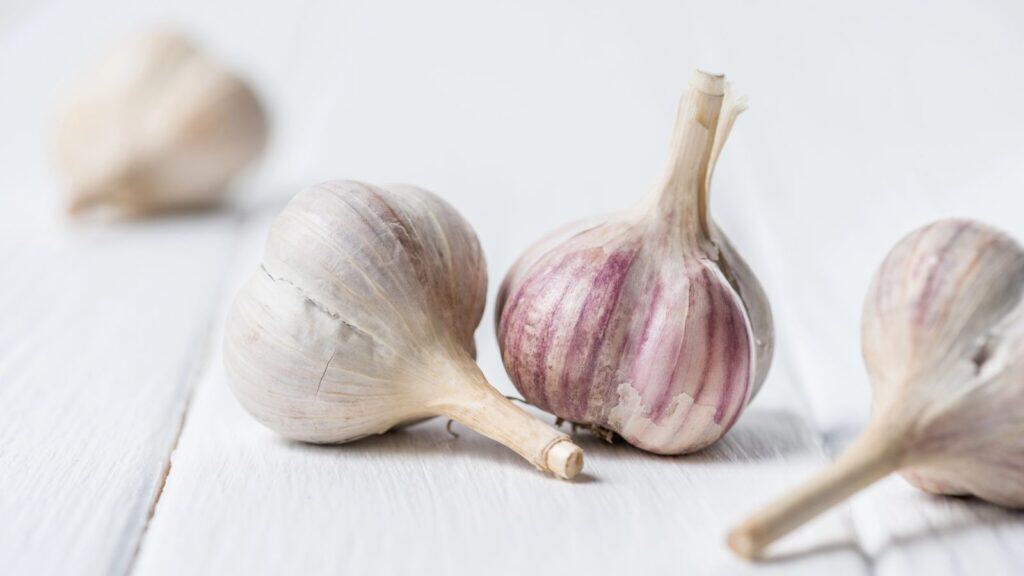
Garlic
A typical home refrigerator isn’t ideal for storing whole garlic. Studies show that holding garlic at fridge temperatures stimulates sprouting, which shortens how long a bulb stays at its best. Keep whole heads in a cool, dry, well-ventilated spot. Once you have peeled or chopped garlic, refrigeration is fine.
Winter Squash
Butternut, acorn, and other winter squash break down faster in a cold fridge than in a cool pantry. Squash deteriorates quickly below 50°F. A cool, dry spot with some air circulation keeps whole squash in good shape far longer than the crisper drawer does.
Tomatoes
Multiple university food experts agree: do not refrigerate tomatoes. Below 40°F, tomatoes lose color, firmness, and flavor, and the change does not reverse once you take them back out. Keep tomatoes on the counter, out of direct sun, and only refrigerate an already-cut tomato.
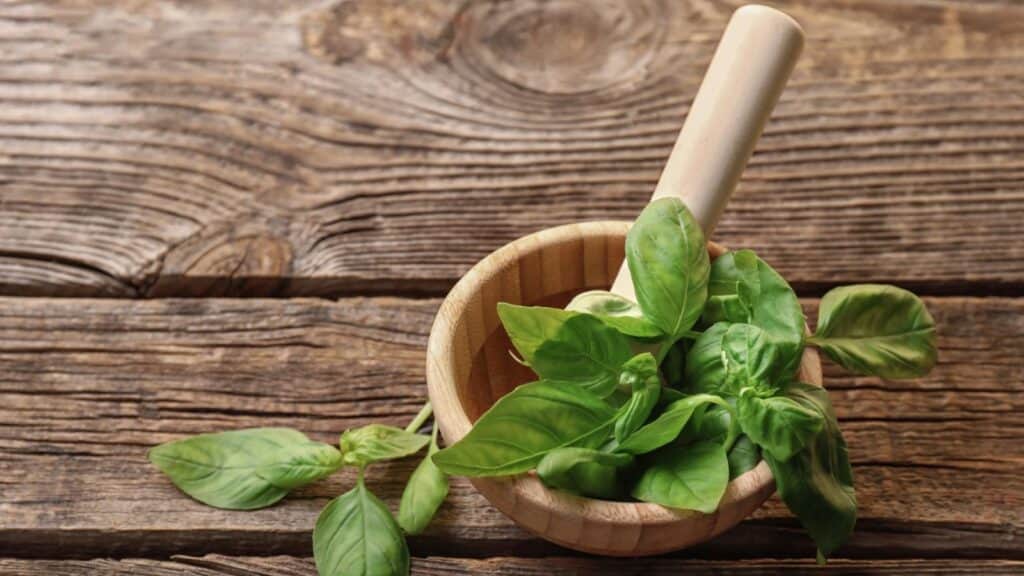
Basil
Basil is one of the only fresh herbs that actively suffers in the cold. UC Davis postharvest researchers found that basil needs to be stored above 50°F, and at typical refrigerator temperatures, visible browning and blackening can appear within a few days. Treat basil more like fresh flowers than produce: trim the stems, stand it in a little water on the counter, and skip the fridge entirely.
Bananas
If you refrigerate a banana before it is ripe, it will not ripen properly. Cold halts the process that turns a green banana sweet and soft. Let bananas finish ripening on the counter first. Once they are ripe, the fridge can slow things down for a few extra days if you need it to.
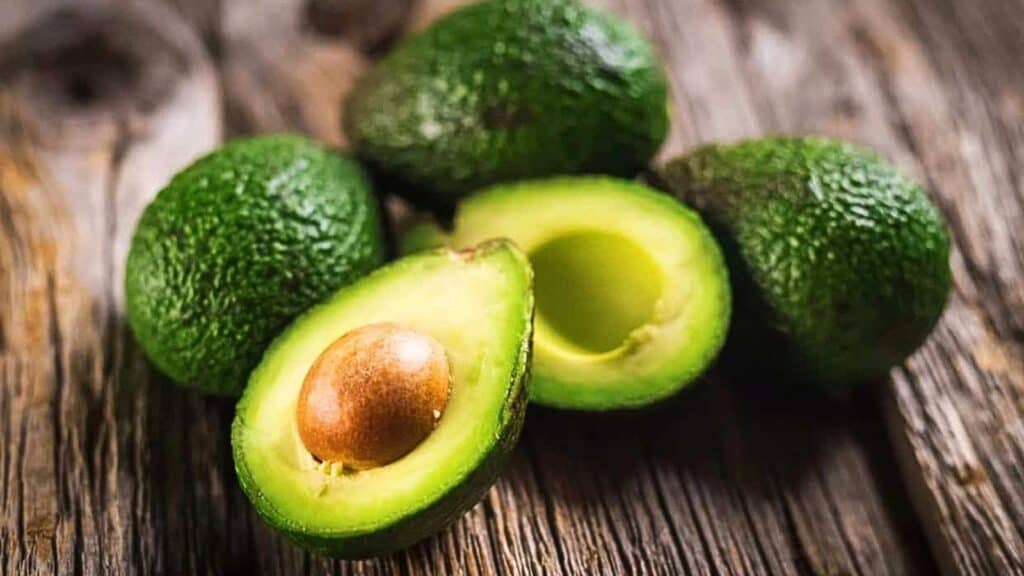
Avocados
An unripe avocado needs room temperature to soften and develop its full flavor. Refrigerating one too early can leave it hard for weeks instead of days. Wait until it gives slightly under gentle pressure, then move it to the fridge if you are not ready to eat it yet.
The Bottom Line
Six of these seven are about flavor and texture. One, potatoes, touches something a little more specific: how a compound forms during cooking. Either way, the fix for all seven is the same. Give them a spot outside the fridge until they actually need to be there.