
Open a freezer aisle today, and you can see decades of American food history behind the doors. Some brands made frozen meals a household habit. Others went bigger, lighter, cheaper, or easier to heat. These nine brands helped change what Americans expected from dinner in a box.
Stouffer’s
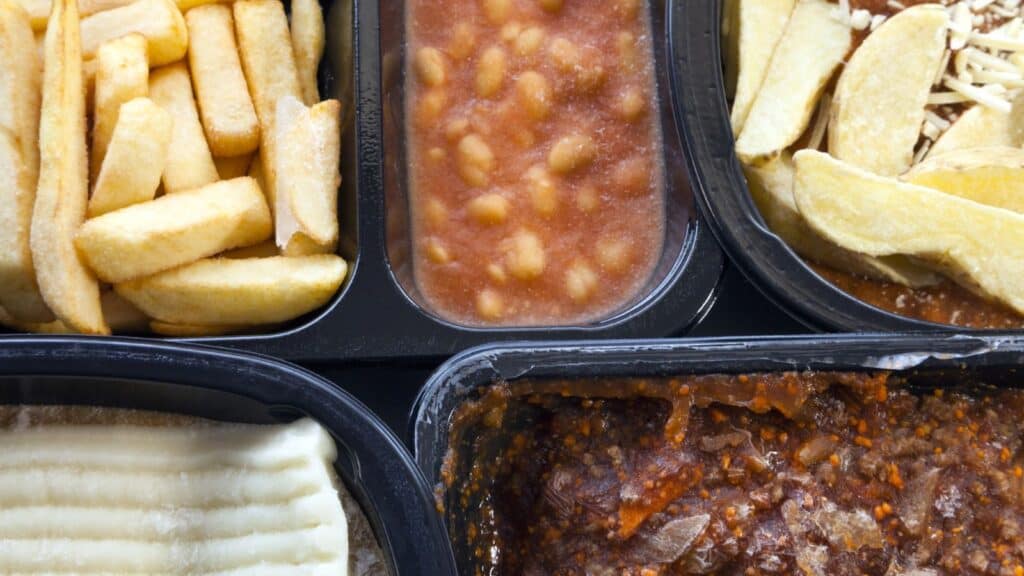
Stouffer’s story began before the frozen-food boom. Abraham and Mahala Stouffer started with a Cleveland milk counter in 1922. Their sons later opened the first Stouffer restaurant. The business moved into take-home meals, and the Encyclopedia of Cleveland History dates frozen-food production at the company’s Woodland Avenue plant to 1953. Stouffer’s brought a familiar restaurant name into the freezer aisle.
Swanson
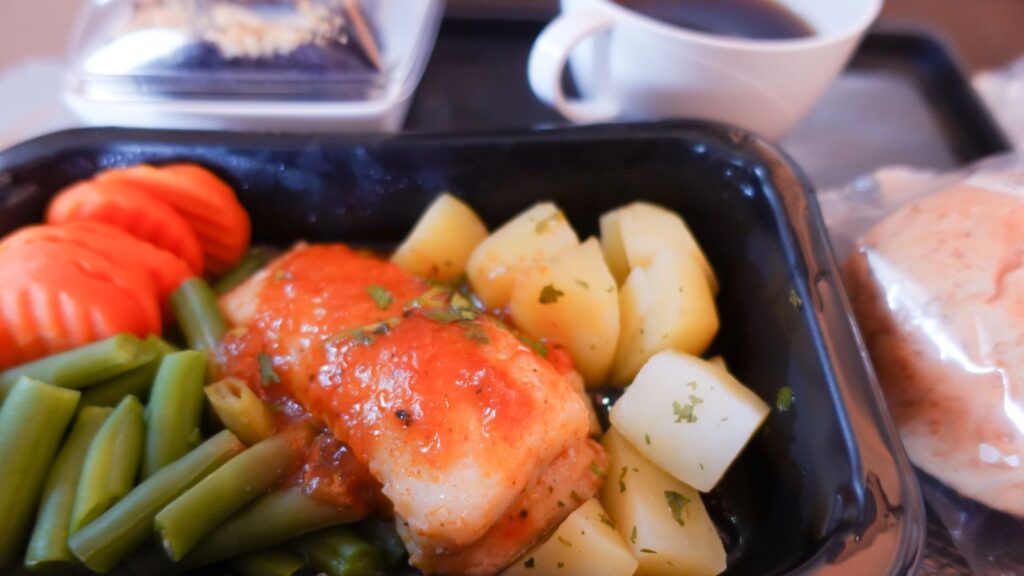
Swanson did not invent the complete frozen meal. Maxson Food Systems sold complete frozen dinners to airlines in 1945. Swanson’s big win was bringing the idea into American homes in the 1950s. The famous story says the company had 260 tons of turkey left after Thanksgiving in 1953. Even the inventor credit is disputed. Former Swanson bacteriologist Betty Cronin credited Gilbert and Clarke Swanson with the idea rather than salesman Gerry Thomas.
Banquet
Banquet was already a food brand before TV dinners took off. F.M. Stamper launched canned chicken under the Banquet name in 1947. He moved into frozen meat pies in 1953, then added complete frozen dinners in 1955. Banquet quickly became one of the early names fighting for space in America’s growing frozen-dinner market.
Weight Watchers
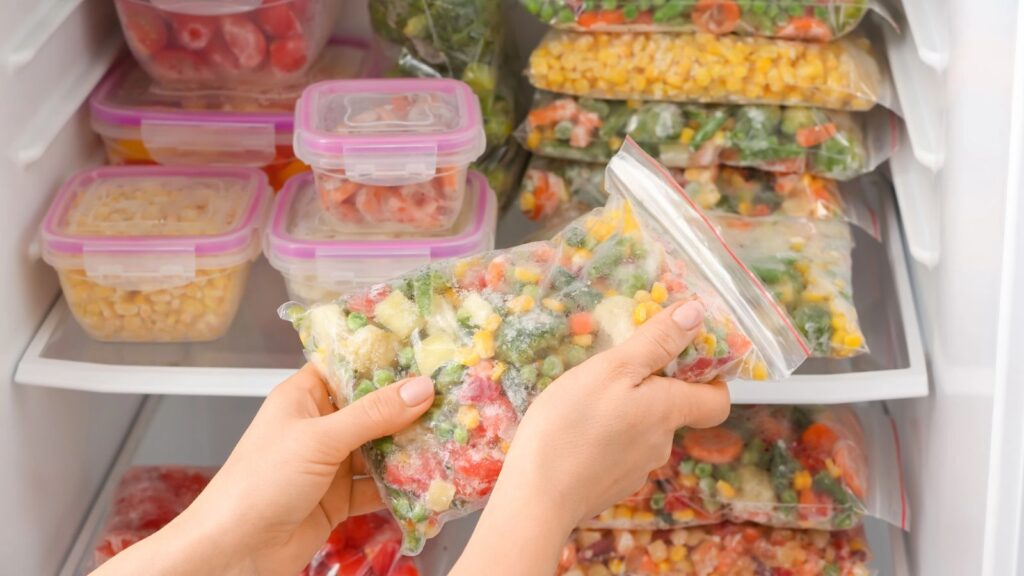
Weight Watchers got into supermarket food early. In 1965, Al Lippert hired food companies to make Weight Watchers products that included low-calorie frozen entrées. Heinz bought the company in 1978. By the early 1980s, Weight Watchers had become a significant player in the growing market for portion-controlled frozen entrées. That made quick, portion-controlled meals easier to prepare at home.
Hungry-Man
Swanson went bigger with Hungry-Man. Campbell Soup introduced the brand in 1973 for people who wanted a larger frozen meal. NFL star “Mean” Joe Greene became a spokesman. The basic pitch lasted. Conagra was still introducing new Hungry-Man meals in 2026, more than 50 years after the brand arrived.
Lean Cuisine
Stouffer’s went lighter with Lean Cuisine. Nestlé dates the launch to 1981 and describes the line as low-fat and low-calorie. A 1983 report said Lean Cuisine had reached $120 million in sales in one year. Rival brands soon chased the same buyer. Lean Cuisine helped make lighter frozen meals a major part of the freezer aisle.
Le Menu
Campbell introduced Le Menu around 1980 as a more upscale Swanson frozen-dinner line. A product-history roundup dates the line to 1982. Reports at the time described it as a premium frozen dinner. The idea found buyers, and by 1985, Le Menu was listed among Campbell’s successful newer products and was helping raise sales in the Swanson division. It proved a frozen dinner could aim above the bargain tray.
Budget Gourmet
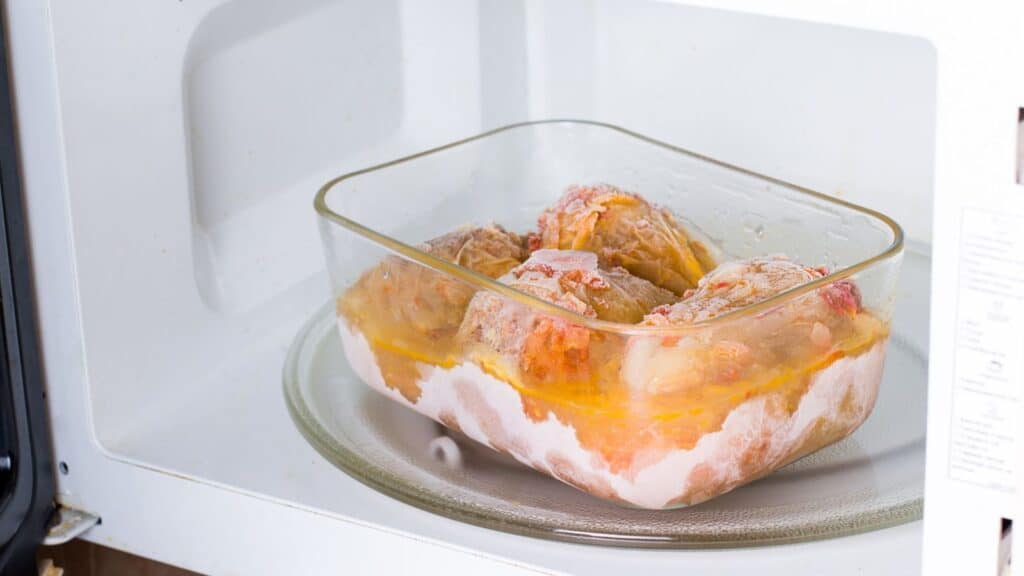
All American Gourmet introduced Budget Gourmet frozen dinners in the mid-1980s, positioning them as affordable alternatives to more expensive frozen entrées. The line became a significant competitor in the category, particularly with its regular and lower-calorie offerings.
Michelina’s
Jeno Paulucci had already built Chun King and Jeno’s before starting another frozen-food company. A Bellisio Foods timeline reported by the Star Tribune dates the launch of Michelina’s to around 1990. The brand was named for Paulucci’s mother and focused on quick meals at low prices. That value-first approach gave shoppers another reason to look beyond the biggest freezer brands.
How Frozen Dinners Changed the Freezer Aisle
Frozen dinners became an American staple through decades of different ideas. Brands tried restaurant-style meals, TV trays, bigger portions, lighter choices, and lower prices. Some are still sold today. Others are now part of freezer-aisle history. Together, these nine brands helped define the category.