
Dump out a Halloween haul, and you are holding more than sugar. Several bowl staples date back to the era of horse-drawn delivery, while another familiar favorite arrived within living memory. Nostalgia makes them feel equally old, but their documented shelf histories tell a much stranger story.
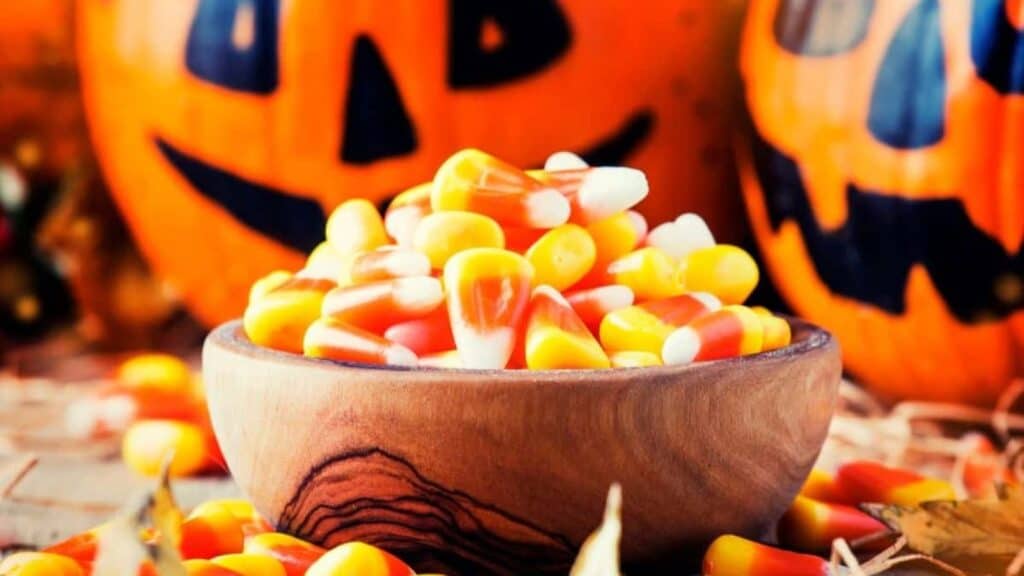
Candy Corn (1880s): Halloween’s Oldest Holdover
Candy corn is the oldest treat on this list. HISTORY traces its origins to the 1880s, with oral histories naming Wunderle Candy Company employee George Renninger as the inventor. Goelitz began marketing the kernels as “Chicken Feed” in 1898. The candy was not born as a Halloween exclusive. Its farmyard look came first, and its strong Halloween identity grew later as holiday candy marketing expanded in the mid-20th century.
Hershey’s Milk Chocolate Bar (1900): Affordable Chocolate Goes Mainstream
Hershey Community Archives says the first milk chocolate bars were sold in 1900 for 2 to 10 cents, depending on size. The company’s new factory began production in 1905, helping Milton Hershey make milk chocolate on a much larger scale. That documented 1900 launch puts Hershey second in this ranking.
Tootsie Roll (By 1909): The 1896 Story Has a Catch
Tootsie Roll Industries dates Leo Hirschfield’s candy to 1896 and says it sold for a penny, but the historical record is less tidy. TIME, citing candy historian Samira Kawash, notes that Hirschfeld applied for a patent in 1907, received it in 1908 and that Stern & Staalberg began marketing Tootsie Rolls in 1909. Because this ranking uses documented shelf history, Tootsie lands behind Hershey rather than treating 1896 as settled fact.
Milky Way (1923): Named for a Malted Milk Drink
Mars says Milky Way was created in 1923 to capture the taste of malted milk shakes. The company also says the name referred to a famed malted milk drink of the era, not the galaxy. That makes the familiar bar a product of the soda-fountain age.
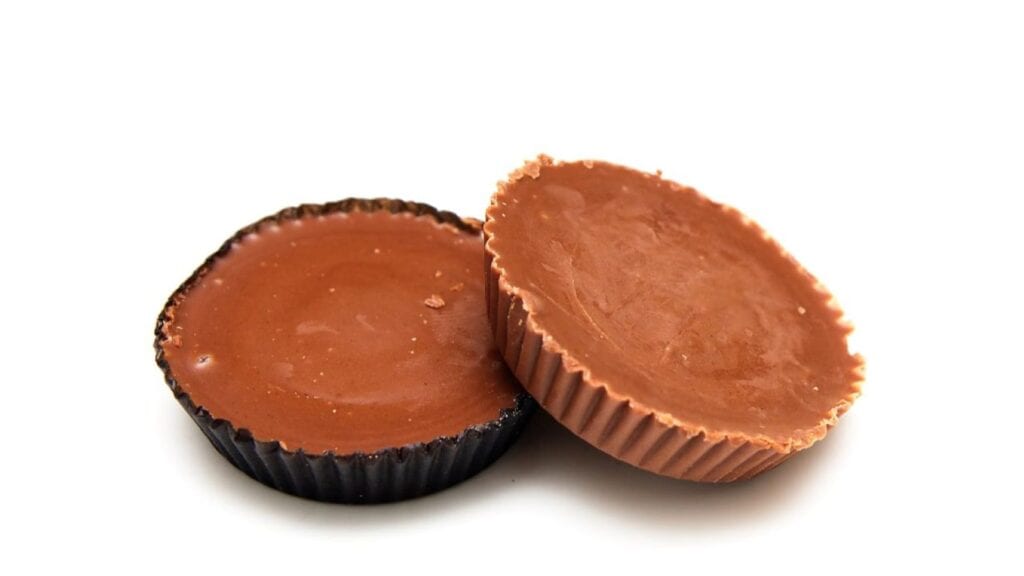
Reese’s Peanut Butter Cups (Around 1928): Not a Stand-Alone Treat at First
Hershey Community Archives says H.B. Reese began making his peanut butter cups around 1928. They were initially part of a larger candy assortment sold by weight rather than a stand-alone product. Reese had previously worked as a dairy farmer for Milton Hershey before building his own confectionery business.
Snickers (1930): Named After the Mars Family Horse
Snickers’ own brand history says the first Snickers bar was made in Chicago in 1930, sold for five cents and named after the Mars family horse. The launch came just seven years after Milky Way, during a busy period for Mars candy development.
Crunch (1938): The Last Prewar Entry
The official Crunch site says the first Crunch bar was introduced in 1938. That makes it the last pre-World War II launch on this list. By the time Crunch appeared, the lineup already included several candies that still turn up in Halloween bowls today.
Twix (1979 in the U.S.): A Much Later American Arrival
Mars says Twix was first introduced in the U.S. in 1979. For a ranking based on American shelves, that is the date that matters. Its familiar place in candy aisles can make it feel older, but in the U.S. it arrived decades after Crunch, Snickers and Reese’s.

Sour Patch Kids (1985): The Youngest Candy Here
Mondelēz lists Sour Patch Kids as introduced in 1985. That makes the sour-then-sweet candy the youngest entry in this group by a clear margin. It may feel like a long-running Halloween fixture, but its U.S. history belongs to the mid-1980s rather than the earlier candy-bar boom.
Tradition Can Age Faster Than Candy
Annual repetition can make a product feel older than the calendar says. A wrapper shows up in the same bowl, office dish or trick-or-treat bag year after year, and familiarity turns into tradition. Shelf history cuts through that feeling. Nostalgia measures how long a candy has seemed present, not necessarily how long it has actually been sold.