
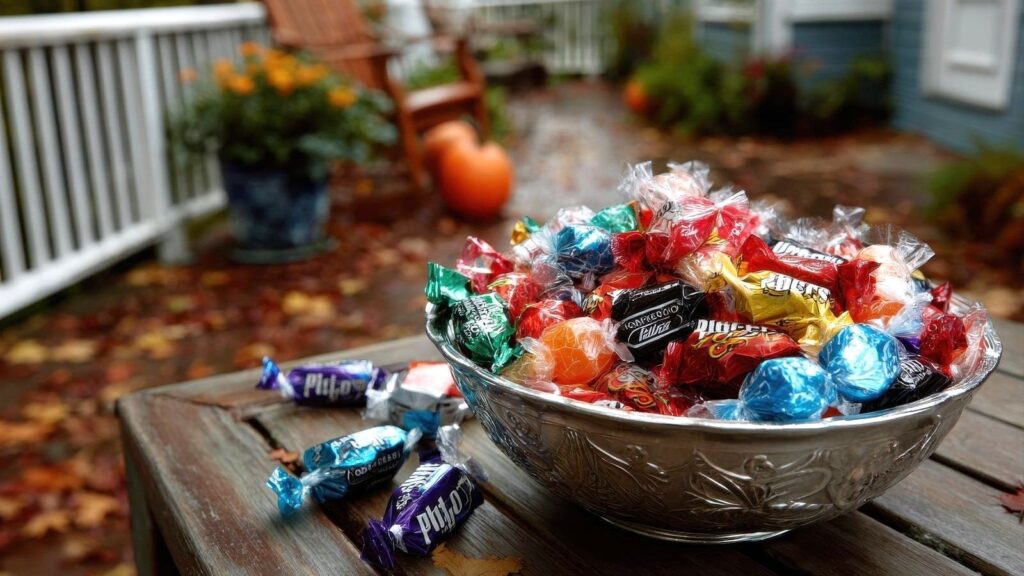
Running out of candy at 7 p.m. feels worse than buying one extra bag. A little math can help you avoid both problems. Count the kids, compare the price per piece, and use a few lower-cost treats. Your bowl can last longer without making the handout feel skimpy.
Do the Doorbell Math
Start with how many kids you expect, how long your porch light will stay on, and how many pieces you want to give each child. Shipt and Mars Wrigley put those numbers into a Halloween candy formula. It also adds candy your household may eat before Halloween. The result is still an estimate, but it gives you a useful shopping target.
Compare the Price per Piece
Bag price does not tell the whole story. Piece counts can vary a lot, even when two bags look close in size. The Krazy Coupon Lady recommends checking the cost per piece. That is the unit you hand out at the door. A big bag is a bargain only when its unit price is lower and you will use the candy.
Mix Chocolate With Cheaper Fillers
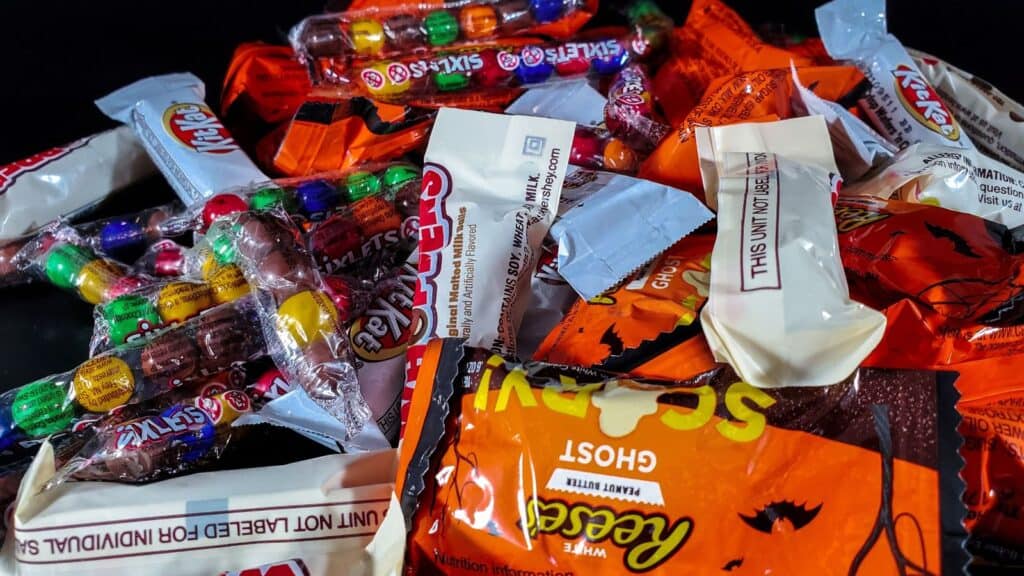
A bowl does not need to be all chocolate. In a 2024 price check, The Krazy Coupon Lady found that variety packs could cost less per piece than bags with one candy type. Tootsie Rolls and Dum Dums were also among its cheapest picks. Mixing a chocolate favorite with lower-cost wrapped candy can make each bag go farther.
Use Age-Appropriate Non-Food Treats
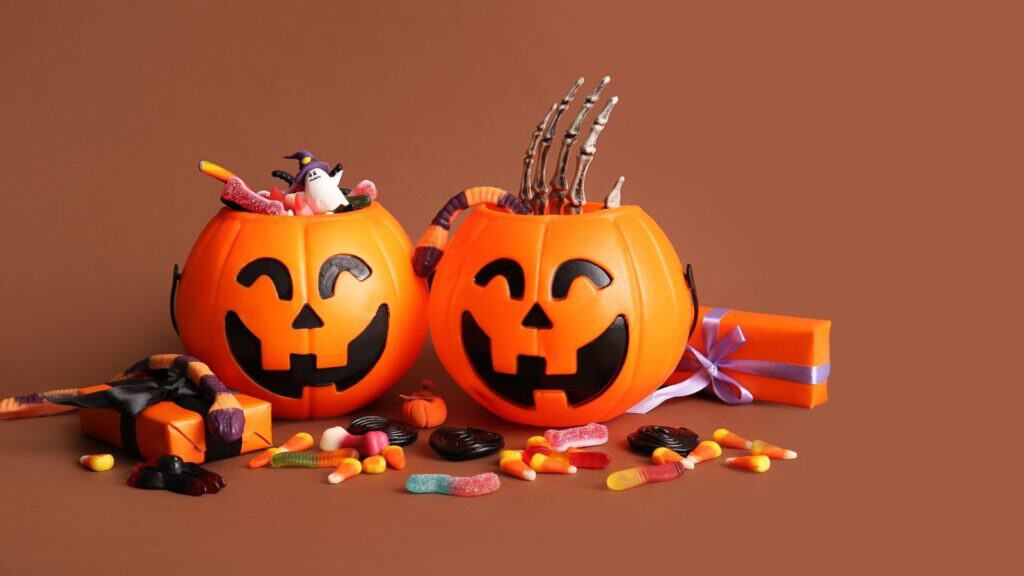
Candy does not have to fill every spot in the bowl. The American Academy of Pediatrics suggests non-edible treats such as glow sticks, pencils, bubbles, bookmarks, and stickers. These can also give kids with food allergies another choice. Keep age in mind. The AAP warns that stickers and small toys can be choking hazards for babies and toddlers.
Treat Rain as a Planning Adjustment
Rain may change how much candy you need, but no fixed rule can predict the exact crowd. Shipt and Mars Wrigley’s formula uses one simple guide: divide the final candy count by 1.5 if rain is in the forecast. Use that as a rough shopping adjustment, not a promise about turnout. Check the forecast close to Halloween.
Shop the Sales Window
The first Halloween display is not always the best time to buy. The Krazy Coupon Lady has tracked candy sales for weeks before Halloween and says strong prices often show up in early October. Compare the cost per piece on sale bags before you choose. Buy for the crowd you expect instead of picking the biggest package by default.
Be Picky About Next-Year Clearance
Post-Halloween markdowns can be tempting, but candy does not all keep for the same amount of time. The Krazy Coupon Lady tracks candy clearance after Halloween. Kansas State University Extension says shelf life varies by candy type and storage. Soft and chewy candies can last about six months, milk and white chocolate about eight to 10 months, and hard candy about 12 months when stored properly. Check package dates before buying for next October.
Hand Out One Treat at a Time
Skip the self-serve bowl. The American Heart Association recommends one treat per child and letting kids choose among several options. Portions stay predictable without making the handout feel stingy.
Give the Bowl a False Bottom
Deep bowls can burn through candy fast. Martha Stewart suggests hidden filler beneath a display, with candy covering the top. A smaller insert creates the same full look without filling the container bottom to top.
Generosity Does Not Need a Bigger Receipt
Saving money works best when kids at the door never notice where you cut the cost. They see the choices in the bowl, not your receipt. A little planning can protect the fun instead of trimming it. That is how a Halloween bowl can feel generous without turning into a bigger bill.