
Vinegar is having a moment. Whole Foods Market’s Trends Council named it one of its top food trends for 2026, citing vinegar’s modern renaissance, as shoppers seek out high-quality, small-batch varieties. It’s part of a trend to include sour flavors on American menus, where chefs use acidity to cut richness and wake up familiar dishes.
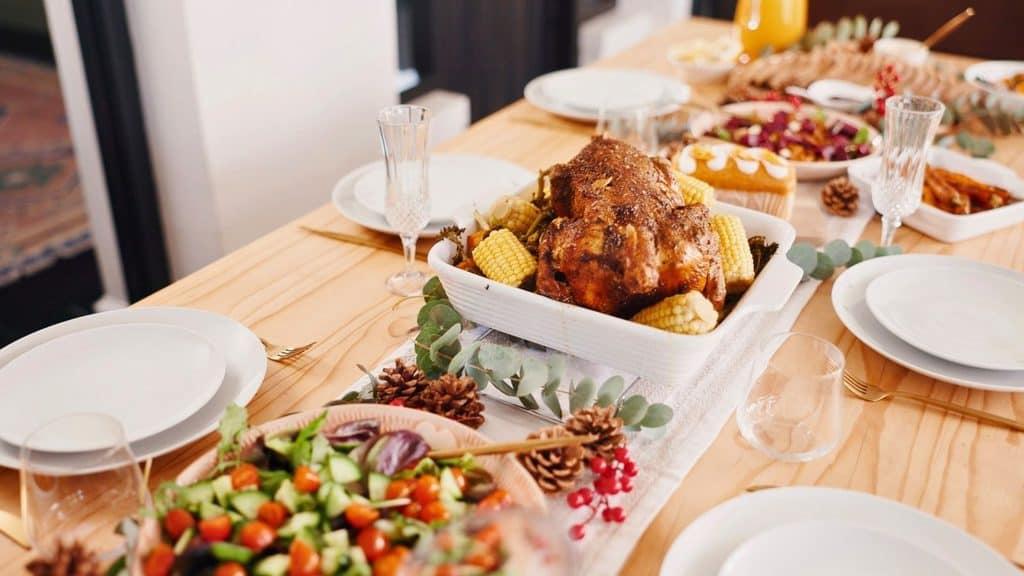
This holiday season, cooks are finding simple ways to use the pantry staple. A few drops of vinegar can make a table full of gravy, stuffing, potatoes and meats taste lighter and brighter, without guests knowing it is there. Globally, the vinegar market is projected to grow more than 15% by 2031.
A kitchen staple gets new life
Shoppers spend more on vinegar, too. The global vinegar market is estimated at $7.74 billion in 2026 and is on track to reach $8.95 billion by 2031, according to Mordor Intelligence. They note that balsamic vinegar accounts for about 30% of sales, while cider vinegar is growing quickly as more people buy it for wellness.
These two varieties are also what cooks reach for most during the holiday season. But shoppers are starting to branch out. Whole Foods Market’s Trends Council sees growing interest in fruit-infused vinegars and raw, unfiltered versions of traditional vinegars, which the grocer says offer probiotic-like benefits.
Acid for balance, not bite
Holiday menus are notoriously rich. Nikita Khandheria, founder of ERIA, a hospitality company in the San Francisco Bay Area, said her team treats acid as part of the plate’s overall balance. “Holiday menus tend to stack richness, so even a small acidic component makes the bite feel much lighter,” she added.
The goal is not a sour dish. Khandheria says a light hand matters to achieve a more balanced dish.
Restaurant chefs already lean on acid. Nicholas Miller, executive chef at La Concha in Key West, Florida, incorporates acidic components into most of his recipes. “My team and I are leaning into sour, tart and fermented flavors to bring balance and depth to every dish,” Miller said.
Start with the gravy
Gravy is the easiest place to start. Mark McShane, a chef and food safety expert, recommends whisking a few drops of red wine vinegar or cider vinegar into heavy pan gravy to cut the grease. For stuffing, he adds a small splash of apple cider vinegar to the stock before mixing it with the bread and sausage.
Angela Skogen, owner of the cooking school Cooks on Main in Williston, North Dakota, uses the same trick at home. “I only put a few drops of apple cider vinegar in gravy,” Skogen said. “It seems pretty small, but it brightens the flavor immediately.”
Matching the vinegar to the dish
Not every vinegar does the same job. McShane said sherry vinegar adds depth and earthiness to roasted meats and pan juices. Apple cider vinegar has a mild sweetness and suits pork, winter squash and root vegetables. Aged balsamic vinegar gives hearty greens and roasted Brussels sprouts a sweet-tart finish.
For Skogen, apple cider vinegar is the best choice for Thanksgiving recipes. She said its mild fruitiness pairs well with roasted vegetables, stuffing, pork and cranberry sauce, and she teaches it in her cooking classes as an essential part of recipes.
Bella Bucchiotti, food writer at xoxoBella, prefers balsamic vinegar. “I’m Italian, so good quality balsamic is a pantry staple in my house,” Bucchiotti said. She drizzles it on roasted Brussels sprouts, squash or carrots, and splashes a little into rich gravy.
A shortcut for roasted sides
Roasted vegetables are another easy win. Skogen adds a small splash of apple cider vinegar for acidity and caramelized edges. The trick works well on Thanksgiving sides like Brussels sprouts and sweet potatoes.
Certified nutrition coach Shelby Stover uses vinegar for a quick dressing. She whisks apple cider vinegar with Dijon mustard and maple syrup, then drizzles it over roasted carrots. “It brightens everything up without adding an actual vinegar taste to it,” Stover said.
Taste before you add salt
Using vinegar for holiday cooking requires no new recipes. Khandheria suggests tasting a rich dish at the end of cooking, then reaching for acid before salt. “Often what tastes ‘heavy’ or flat does not need more seasoning, it needs contrast,” Khandheria said.
Skogen agrees tasting is the most important step, and explained, “What we’re aiming for is not the sour taste, it’s having a balance of it.”
An old ingredient for a modern table
Vinegar, named from the French term “vin aigre,” or sour wine, dates back thousands of years and was once used as medicine, according to Whole Foods. People have used it in kitchens for just as long, but its holiday role is changing to suit modern palates. As shoppers stock up on specialty bottles and restaurants lean into sour flavors, home cooks learn what chefs have long known.
Whether it’s a few drops of cider vinegar in the gravy, a drizzle of balsamic over vegetables or a splash of sherry vinegar in pan juices, adding a little acid is an easy upgrade to the Thanksgiving table.
Michelle Goth is a professionally trained cook, cookbook author and freelance writer dedicated to celebrating Midwestern cooking traditions. She shares easy recipes for family dinners and holidays at Blackberry Babe and affordable family travel tips at Mountain Beach Repeat.