
Your kitchen sponge can look perfectly clean long after it deserves a trip to the trash. Pillows lose their support, water filters wear out and washing machine hoses can age without showing obvious signs of trouble. These 11 everyday household items deserve a closer look before a small oversight turns into a bigger headache.
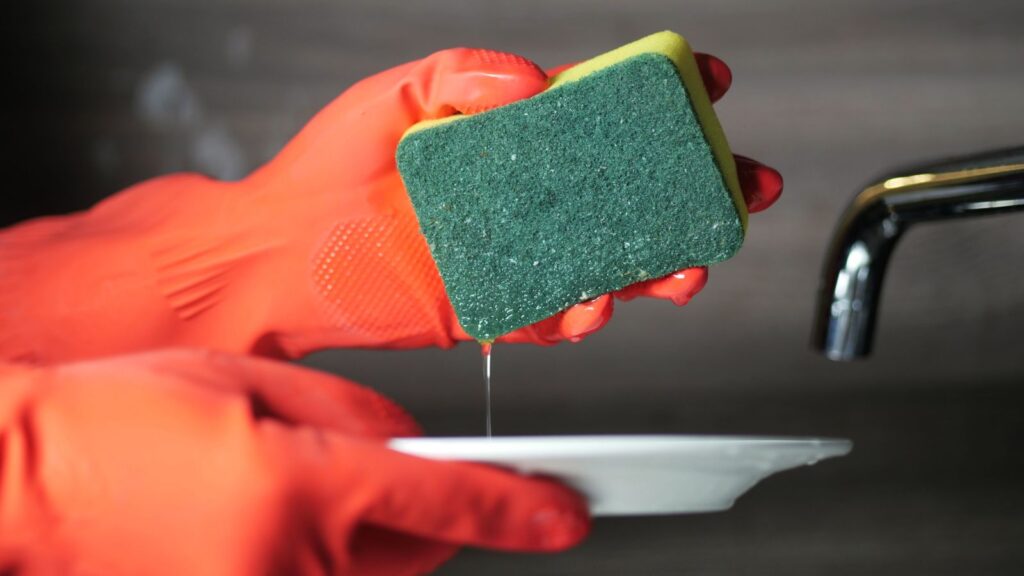
Kitchen Sponges
That trusty sponge beside the sink can hold onto food residue and moisture even after a good rinse. Cleveland Clinic recommends replacing it at least every two weeks, sooner if it smells bad or starts falling apart. Let it dry between uses rather than leaving it in a puddle.
Shower Loofahs
After a steamy shower, a loofah may stay damp longer than you expect. Cleveland Clinic recommends replacing natural loofahs every three to four weeks and plastic ones after about two months, but visible mold or a musty smell means it’s time sooner.
Toothbrushes
Take a close look at the bristles next time you brush, especially if they’ve started to fan outward. Mayo Clinic says a toothbrush needs replacing every three to four months, sooner when the bristles fray. A calendar reminder beats trying to remember when you opened the last one.

Cutting Boards
Deep knife grooves can trap food scraps and make a cutting board harder to clean. Illinois Extension recommends replacing boards once those cuts become too numerous to clean well. Until then, keep raw-meat prep separate from ready-to-eat foods and wash the board thoroughly after use.
Pillows
Fluffing a tired pillow may make it look better without restoring the support your neck needs. Sleep Foundation gives one to two years as a general guide, depending on the filling and how you care for it. Lumps that won’t smooth out or a sore neck in the morning make that timeline worth checking.
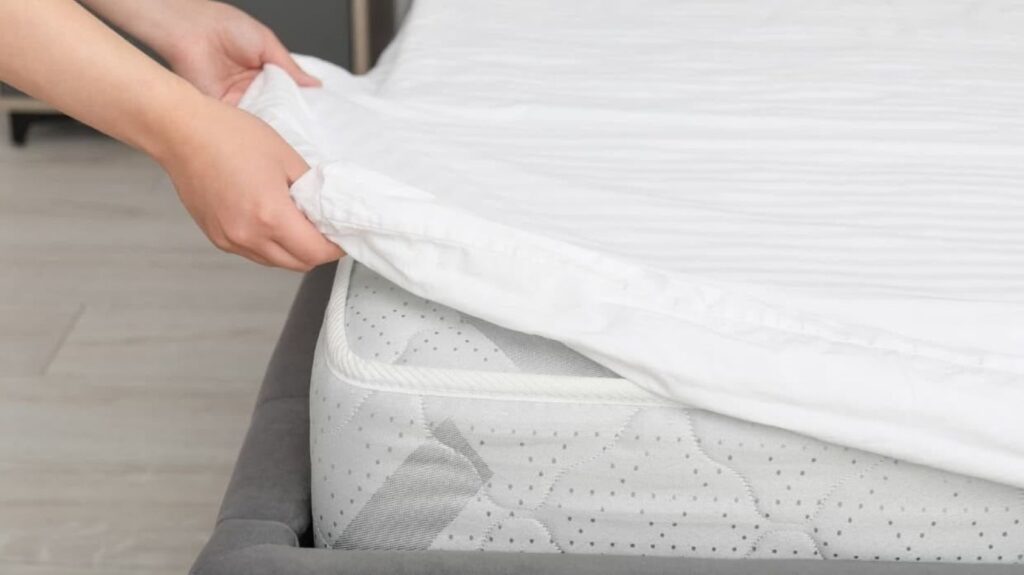
Mattresses
Waking up stiff every morning, especially when you sleep better away from home, gives you a reason to inspect your mattress. Sleep Foundation says many beds last seven to 10 years, though the materials and care affect that range. Sagging or poor sleep matters more than an exact anniversary.
Pitcher Water Filters
Brita’s Original pitcher filter has a specific limit: 40 gallons or about two months, whichever comes first. The pitcher can still pour when the cartridge is past that mark, making it easy to forget. Other filters use different schedules, so check the label rather than relying on the same reminder.
Refrigerator Water Filters
Unlike a pitcher cartridge, a refrigerator filter is easy to forget because you rarely see it. LG advises changing many models every six months, though heavy use can call for an earlier swap. Past its rated capacity, a filter may do less to improve your drinking water.
Washing Machine Hoses
Behind the washer, supply hoses can develop bulges or small leaks without drawing much attention. State Farm recommends checking them monthly and replacing them every three to five years. Steel-braided hoses are worth considering, while shutting off the water when you leave for several days adds another precaution.
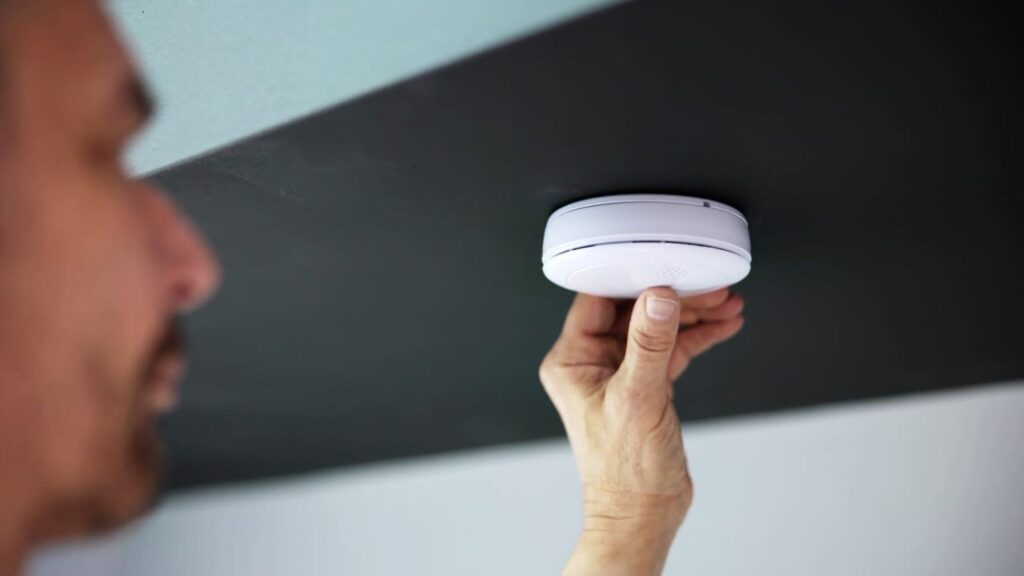
Smoke Alarms
Hearing a smoke alarm beep during a test is reassuring, but it won’t tell you how old the unit is. The U.S. Fire Administration advises replacing it 10 years after its manufacture date, not the day you installed it. Check the date on the back and test it monthly until it’s time to replace it.
Fire Extinguishers
Green on the pressure gauge is good news, but it doesn’t tell you everything about a fire extinguisher’s condition. Kidde recommends a 12-year age check for certain models, while other extinguishers may follow different schedules. Inspect the cylinder for rust, dents or leaks each month and follow the instructions on its label.
Make Checking Part of the Routine
It isn’t practical to memorize the lifespan of everything you own. You can, however, make a quick check part of a routine you already follow, such as cleaning the kitchen or changing the sheets. That way, a worn-out item is less likely to interrupt your day.