
Long before any European expedition set sail, Indigenous peoples in the Americas had already spent thousands of years developing the crops that now account for more than half of everything grown on farms worldwide. Corn, potatoes, tomatoes, chile peppers and cacao were all domesticated here, refined through generations of knowledge that fed entire empires and changed how the whole world eats.
Columbus Day and Indigenous Peoples’ Day share the same date this year, Oct. 12, a pairing that has generated plenty of debate about history and who gets to define it. But the most concrete version of that debate has been playing out at dinner tables for centuries. The foods that built the world’s cuisines were already ancient by the time Columbus set foot in the Americas.
More than half the world eats food that began here
More than half of the crops grown worldwide today were first cultivated in the Americas by Indigenous peoples, according to the Smithsonian National Museum of the American Indian. That figure founded everything that follows. Before any of this traveled across an ocean, it had already been tested, refined and integrated into complex food systems that fed entire civilizations. The Aztec and Maya empires ran on corn-based agriculture at a scale that sustained millions for centuries.
How the Three Sisters fed empires
Indigenous farmers grew corn, beans and squash in the same field for a reason. Each crop supported the others. Corn grows tall and gives bean vines something to climb; beans fix nitrogen in the soil, replenishing what the corn takes.
Squash spreads along the ground, its large leaves creating shade that blocks weeds and holds moisture in. Because each crop restored what the others consumed, the system reduced the need for crop rotation and long fallow periods that European farming depended on. The field fed people while sustaining itself.
Eaten together, corn and beans form a complete protein. Food historian Jules Janick has written that crops like these underpinned large, complex societies across the Americas. Indigenous farmers engineered it, deliberately.
The foods that rebuilt other cuisines
Before contact with the Americas, Italian cuisine had no tomatoes, Ireland had no potatoes, the cacao that makes Swiss chocolate possible was unknown in Europe and Thai cooking had no chile peppers.
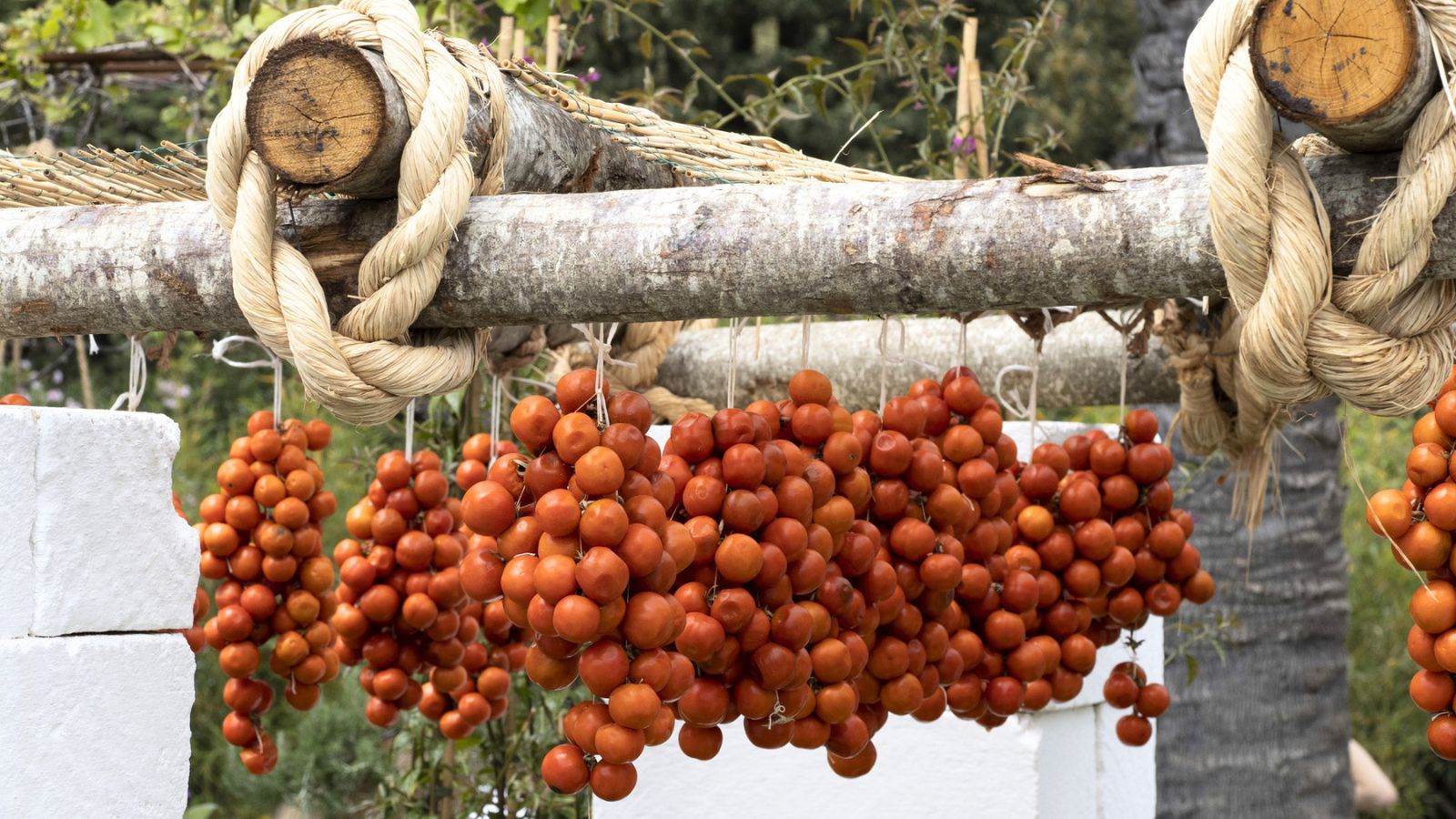
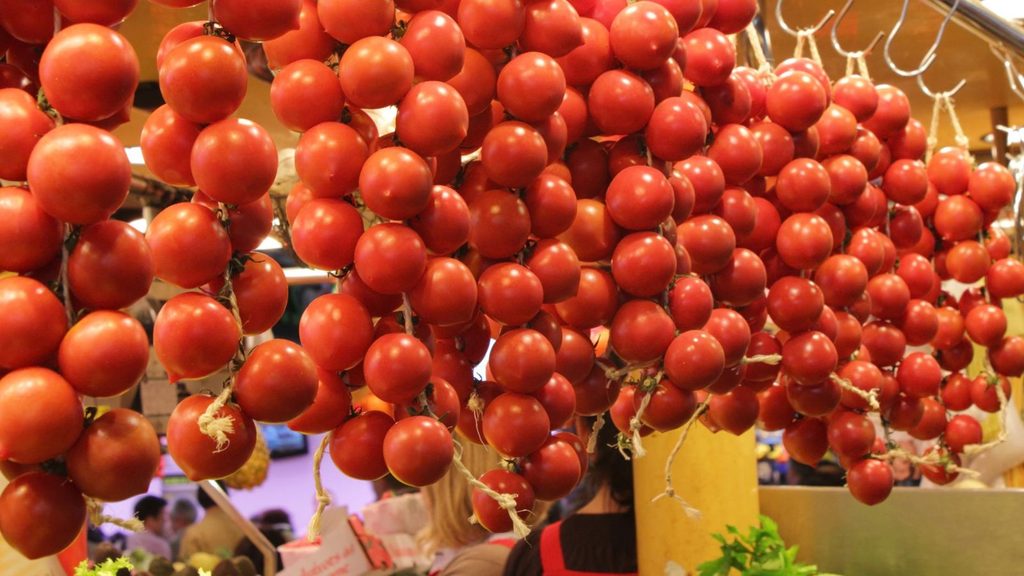
Crops Indigenous farmers in the Americas had grown for thousands of years finally crossed an ocean. Tomatoes trace their wild ancestor to South America, but domestication as a cultivated crop happened in Mexico about 7,000 years ago, starting from wild fruits small enough to fit in a palm.
Chile peppers trace back roughly 6,500 years to central-eastern Mexico. Columbus called them “peppers” on arrival because they reminded him of the black pepper he already knew. Portuguese traders then carried them to India, Asia and Africa within decades of contact, which is how a crop with no name in Europe became a cornerstone of some of the world’s most distinctive regional cooking.
Potatoes go back about 8,000 years to the Andes, where Indigenous farmers in present-day Peru developed more than 1,000 distinct varieties. Today it is the fourth-largest food crop on earth.
Chocolate has been here the longest
People in the upper Amazon used and domesticated cacao, the source of all chocolate, about 5,300 years ago, based on the earliest archaeological evidence. The chocolate bar as most people know it did not exist until the mid-19th century. For thousands of years before that, cultures Europe had barely encountered used cacao as a food and ceremonial ingredient, grinding and flavoring it in forms that would look unrecognizable on a modern candy aisle.
Aztec cacao drinks were often flavored with chile peppers and flowers, and Spanish accounts from the conquest describe the emperor Moctezuma drinking cacao from golden cups. Cacao was an Indigenous staple for nearly 5,000 years before the rest of the world caught up.
The plate has always known
Indigenous peoples domesticated many of the staples on today’s grocery shelves thousands of years before European contact, long before anyone thought to write that history down. They bred the crops, passed the knowledge from one generation to the next and built the food systems around them, all before the history taught in schools even begins. When Columbus Day and Indigenous Peoples’ Day arrive each October, the case for Indigenous contributions to the modern food supply makes itself. It is already on the table.
Mandy writes about food, home and the kind of everyday life that feels anything but ordinary. She has traveled extensively, and those experiences have shaped everything, from comforting meals to small lifestyle upgrades that make a big difference. You’ll find all her favorite recipes over at Hungry Cooks Kitchen.