
New Scientist Discovery Tours has five new trips for 2027, from fossil digs in the Australian outback to jaguar tracking in Brazil. One of them hinges on a single day in southern Spain, when guests will watch an eclipse the company says no one on land will top for the rest of the century.

The company belongs to New Scientist magazine. Each trip comes with an expert in the field, and the company designs every itinerary to make science accessible to everyone. The eclipse itself happens on Aug. 2, 2027, when the moon’s shadow crosses the Mediterranean.
Eclipse Bookings Jumped Within a Week
Within a week of the August 2026 eclipse, one European airline saw bookings jump 70% to places along the 2027 path, including Spain and Gibraltar. The airline says totality in Andalusia will last up to four minutes and 39 seconds.
What the Spain Trip Includes
The Spain eclipse tour runs six days and starts July 31, 2027. After an expert briefing, you’d watch the total solar eclipse from a private viewing site on a rural hillside.
Experts give talks on space and science throughout the trip. There’s also time to explore southern Spain’s history and coastline, and the group stays at a beachfront hotel with views of the Atlantic.
4 More Science Trips for 2027
The other new trips swap the eclipse for stars, ruins, fossils and big cats.
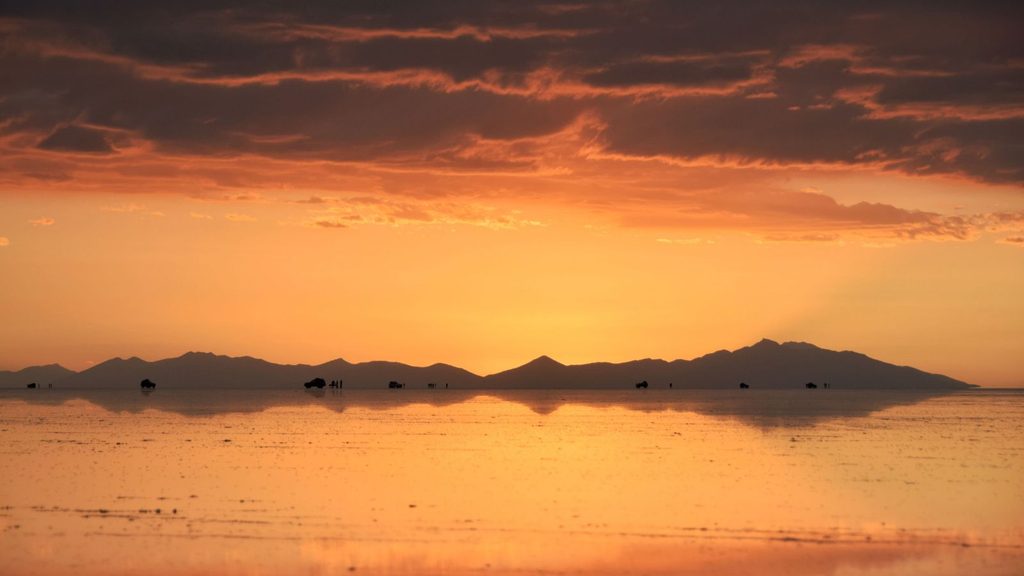
- In April, astronomy expert Jamie Carter leads guests through Bolivia for 10 days. The trip includes two nights of stargazing on the Salar de Uyuni during the Eta Aquariid meteor shower.
- In April, Emily Holt also takes guests around Sardinia for eight days. Holt, a research assistant professor at the University at Buffalo, gives the group access to her active excavation site near Siddi.
- In May, paleontologist Tim Richards of the University of Queensland spends 13 days with guests in the Australian outback. At the field digs, you can expect to find shark teeth and fish fossils from more than 100 million years ago.
- In September, expert naturalists lead a group of just 11 guests through Brazil’s Pantanal. They track jaguars along the Cuiabá River, which the company says has the highest density of the big cats in the Pantanal.
Book Your Own Flights
None of the five trips includes flights, so plan on booking those yourself. If Bolivia is on your list, plan for the altitude at Chacaltaya Observatory, which sits more than 5,200 meters (about 17,000 feet) above sea level. You can book through the company’s website or by email with one of its agents.