
Walk toward Darrell K Royal-Texas Memorial Stadium on a fall Saturday and the smell of smoke can feel as familiar as burnt orange. Longhorn game day happens in one of America’s best-known barbecue regions. Brisket fits the scene without needing an invented origin story. UT’s pregame traditions, Austin’s pitmasters and Central Texas barbecue history help explain why the smoker can feel nearly as important as the scoreboard.
Bevo Boulevard Made Pregame Culture Official
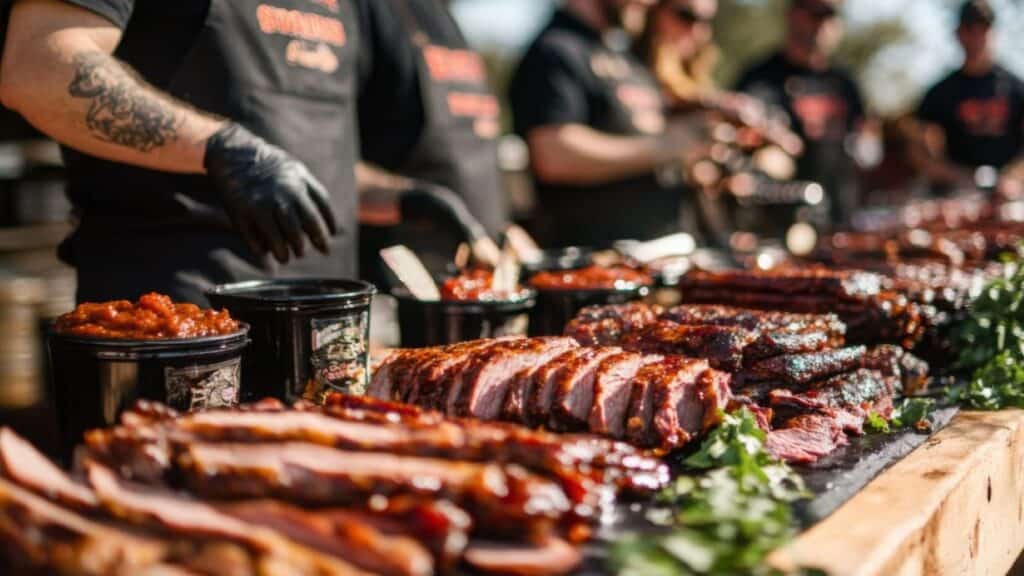
UT gave pregame culture a bigger public stage in 2018 with Bevo Boulevard. The free street party ran along San Jacinto Boulevard outside DKR and opened five hours before kickoff. It brought food, entertainment, the Longhorn Band and Bevo’s arrival together in one place. That did not make every parking-lot cookout official. It did make the hours before kickoff a university-backed attraction of their own.
DKR Brings a 6-Figure Crowd
DKR’s listed capacity is 100,119. Texas Athletics says that makes it the seventh-largest college stadium in the country. A venue that size creates a huge pregame crowd before anyone reaches a seat. Food, music and fan traditions have plenty of room to become part of the day.
Texas Fans Set a Record by 2
Texas packed 105,215 fans into DKR for the Georgia game on Oct. 19, 2024. That set a stadium attendance record. It topped the 105,213 recorded for Alabama in 2022 by exactly two people. A bigger crowd does not automatically create more barbecue pits. It does put more than 100,000 fans in the same food-loving part of Austin at once.
Central Texas Barbecue Has More Than 1 Origin Story
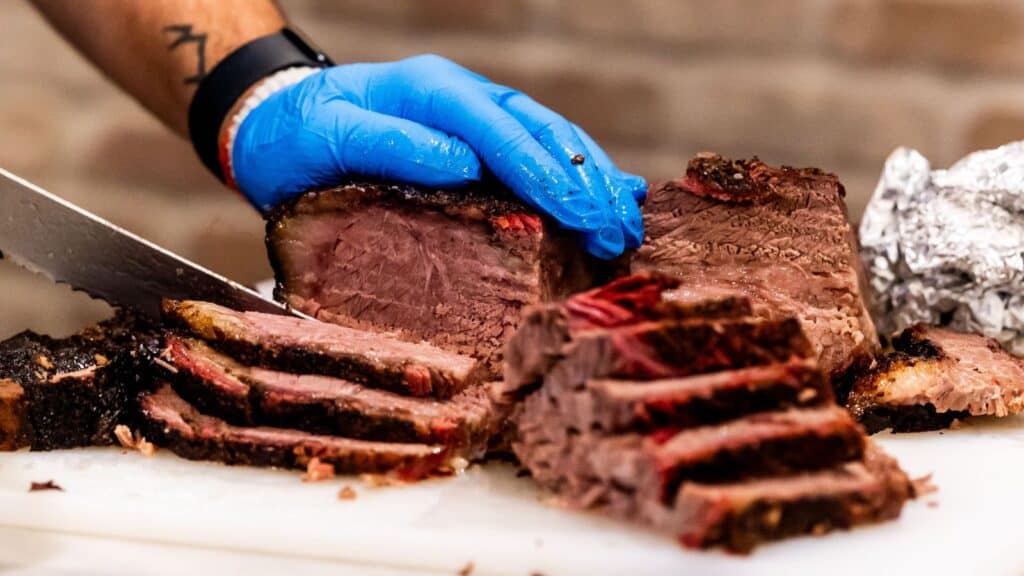
Central Texas barbecue did not come from one culture or one cooking style. The Texas Historical Commission points to African American cooking customs, German meat markets and South Texas barbacoa traditions. Brisket became part of that broader Texas barbecue story. Longhorn tailgates draw on a regional food culture that was established long before today’s huge game-day crowds.
Kreuz Market Carried Its Fire Across Town
Kreuz Market gives that history a vivid symbol. Jesse Swearingen opened a Lockhart meat market in 1875. Charles Kreuz Sr. bought it in 1900, and the business moved to a new site in 1999. Pitmaster Roy Perez carried hot coals from the old pits to the new ones. In Central Texas, smoke, wood and technique can feel like family knowledge.
Franklin Put Austin Brisket on a National Stage
Aaron and Stacy Franklin opened Franklin Barbecue as a small Austin trailer in 2009. Six years later, Aaron Franklin won the James Beard Award for Best Chef: Southwest. Those facts show how far Austin brisket can travel. A modest trailer gained national notice without leaving the city Longhorn fans pour into on game weekends.
La Barbecue Carries a Famous Family Connection
Ali Clem entered Austin barbecue after John Mueller hired her to help open a South First Street food trailer. Clem later built La Barbecue with her late wife, LeAnn Mueller. LeAnn’s father, Bobby Mueller, was a well-known Texas pitmaster. The restaurant describes itself as female-owned and cooks brisket over Texas post oak. It adds its own chapter to a famous barbecue family.
The Salt Lick Keeps the Pit Close to Austin
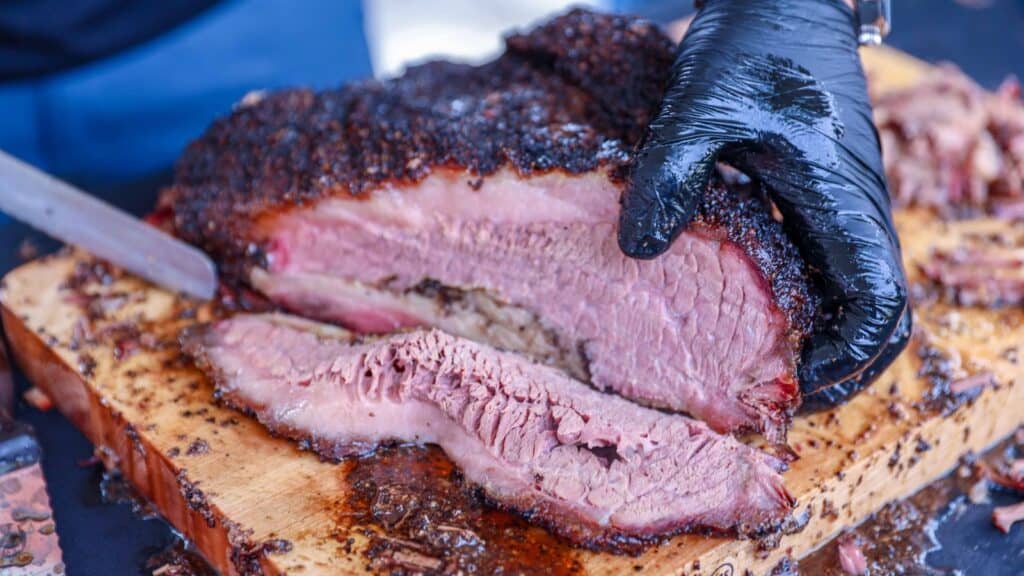
The Salt Lick grew from a pit that Thurman Roberts built with his sons in Driftwood in 1967. He and Hisako Roberts had been looking for a way to keep their family close to home. The business now serves large crowds and offers catering. For a football weekend, it shows how far Central Texas barbecue culture reaches beyond the stadium lots.
Bevo Makes the Cattle-Country Connection Obvious
Bevo first appeared at a University of Texas football game on Nov. 30, 1916, during a win over Texas A&M. Bevo XV made his public debut in 2016. A live Longhorn does not prove what fans are cooking. It does give Texas game day a cattle-country symbol that makes brisket feel very much on brand.
When Food Becomes Part of the Uniform
Brisket works on Longhorn game day because it gives fans a ritual they can practice before football asks them to watch. A smoker rewards planning, patience and personal technique. That creates plenty to discuss before kickoff. The food does not need an official prize to feel competitive. In Austin, bringing a great brisket to a tailgate can be its own way of wearing team colors.