
More than 1 in 3 U.S. households operate two or more refrigerators at the same time. That added freezer space gives families greater control over how and when they buy food, allowing them to plan further ahead and reduce last-minute grocery trips. As March Frozen Food Month kicks off, frozen meals move into focus as retailers respond to rising prices and tighter schedules with expanded freezer promotions.
This post may contain affiliate link(s). As an Amazon Associate, I earn from qualifying purchases. See Disclosures.
Retailers adjust their approach to match the current buying behavior. With more storage at home, shoppers commit to larger freezer purchases and build dinner plans around what they already have on hand. March Frozen Food Month amplifies that change by promoting frozen meals as reliable, cost-conscious solutions for weeknight cooking.
March Frozen Food Month returns
The average U.S. household operates more than one refrigerator, a figure that indicates how common secondary units have become in garages, basements and utility rooms. That widespread freezer capacity gives retailers a measurable advantage during March Frozen Food Month, when national campaigns encourage households to stock up.
March Frozen Food Month is the national promotion led by the National Frozen and Refrigerated Foods Association, designed to focus attention on product innovation and value. Retailers support the campaign with in-store features, digital coupons and recipe guides that steer shoppers toward curated freezer selections.
Each year, the initiative arrives as households weigh quality, convenience and cost at the grocery store. With food-at-home prices projected to rise about 2.5% in 2026, according to U.S. Department of Agriculture estimates, frozen food remains a dependable option for families who want steady pricing and flexible meal choices.
Freezer finds and consumer tastes
As consumer preferences for frozen meals evolve, the frozen food market adjusts with new products that match how households cook and eat today. Product launches feature global dishes, high-protein breakfasts and chef-driven entrees that bring restaurant-style cooking into home kitchens without extra prep. These new offerings position frozen food as a deliberate purchase rather than a last-minute solution.
The global frozen foods market grows steadily and should reach about $311.6 billion in 2026. Ready-to-heat dinners account for a significant share of that growth as shoppers look for dependable meals that require minimal planning on busy weeknights. As March Frozen Food Month approaches, grocers expand premium frozen assortments to meet steady interest in convenient dinner options that still deliver strong flavor.
Value cooking and dinner options
Value cooking in the freezer aisle extends beyond sale prices and centers on reliable portions, practical nutrition and ingredients that hold until families need them. Many households now build weekly dinner plans around frozen staples instead of treating them as backups. Freezer vegetables, fruits and proteins give home cooks flexibility while supporting smarter grocery spending.
Major chains, including Walmart and Kroger, increase their shelf space for premium frozen selections aimed at weeknight cooking. Breakfast bowls, globally influenced dinners and heat-and-serve lunches appear in both supermarket and club formats, giving shoppers structured meal solutions at defined price points.
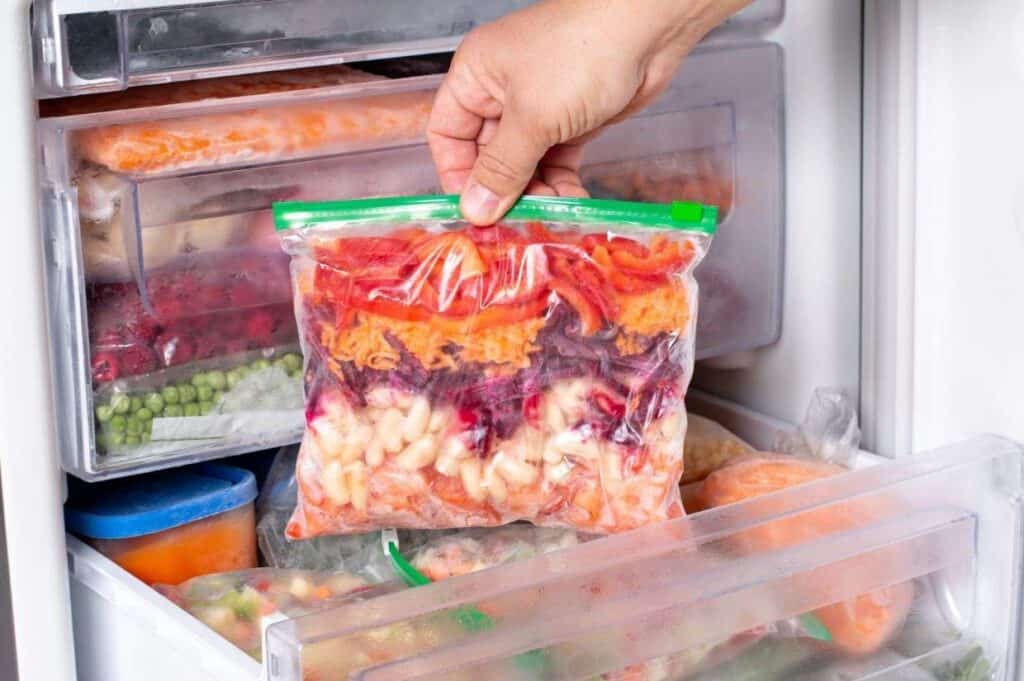
Households also rely on frozen staples to streamline preparation. Batch cooking and portion freezing shorten weeknight prep and reduce food waste. During March Frozen Food Month, retailers promote those habits with weekly circulars and digital meal planners that pair frozen items with practical dinner ideas.
Online grocery drives frozen growth
March Frozen Food Month expands across store aisles into digital storefronts operated by major retailers. Target promotes frozen meals through app alerts, homepage features and loyalty dashboards that recommend freezer items based on past purchases. Amazon Fresh and Instacart also feature curated frozen collections during March, making it easier for shoppers to compare prices and schedule delivery without leaving home.
E-commerce grocery sales continue to post solid numbers heading into 2026, as U.S. online grocery sales reached $8.7 billion in May 2025, a 27% increase from a year earlier, with delivery driving nearly all of the gains. Frozen foods benefit from that stability because improved cold-chain logistics protect quality from the warehouse to the doorstep.
What shoppers can expect
Shoppers who take part in March Frozen Food Month in 2026 can expect freezer aisles stocked with a wide range of meal choices beyond traditional staples. Customers now look for health-conscious options that match taste expectations with nutritional value. Future releases from brands and grocery stores will likely continue broadening the range of premium and affordable frozen meals.
Convenience remains central, but it now operates alongside higher performance standards. As brands continue refining recipes and retailers strengthen digital ordering systems, frozen meals hold a more permanent role in household planning for the year ahead.
Frozen food takes the lead
March Frozen Food Month reinforces a broader shift in household strategy as families rethink how they define value at the grocery store. Shoppers prove that convenience and quality can sit in the same cart, and retailers respond with freezer offerings that earn repeat purchases rather than impulse grabs. If this direction holds through 2026, the frozen food aisle will continue to gain ground as a primary driver of everyday meal planning rather than a secondary stop.
Zuzana Paar is the visionary behind five inspiring websites: Amazing Travel Life, Low Carb No Carb, Best Clean Eating, Tiny Batch Cooking and Sustainable Life Ideas. As a content creator, recipe developer, blogger and photographer, Zuzana shares her diverse skills through breathtaking travel adventures, healthy recipes and eco-friendly living tips. Her work inspires readers to live their best, healthiest and most sustainable lives.