
A cake has been Massachusetts’ official pie for almost 30 years, ever since lawmakers made Boston cream pie the commonwealth’s dessert emblem. The dessert is a layered sponge cake with no pie crust, and Massachusetts has since passed at least one more law about the same flavor. Lawmakers have also tried, more than once, to add a third law to that list, but none have succeeded.
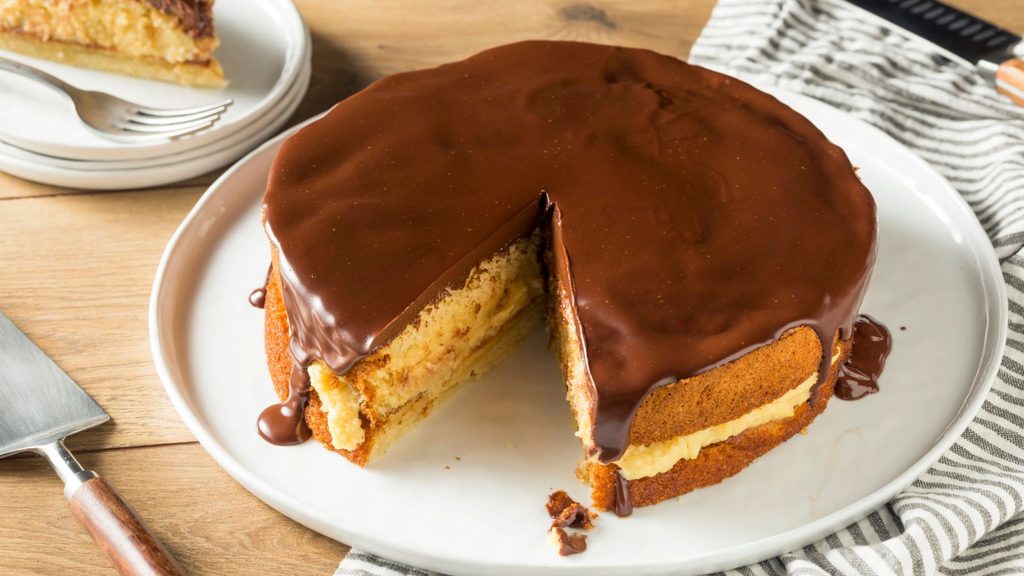
The Omni Parker House, the Boston hotel that opened in 1855 and claims it created the dessert, is the source of the mix-up. The flavor’s tie to the hotel is also why it gets its own holiday every Oct. 23, National Boston Cream Pie Day. According to the hotel’s history, a staff baker credited as Chef Anezin layered sponge cake with vanilla custard and poured chocolate icing over the top. The hotel first called the result Parker House Chocolate Cream Pie.
The law that made a cake a pie
The pie label probably traces to a baking habit from that era: bakers used pie tins for cakes because cake pans were less common, and people used the words “pie” and “cake” interchangeably as a result. A cake baked in a pie tin kept the pie name long after the habit itself faded.
Massachusetts made that cake-shaped pie official in 1996, when the Legislature wrote it into state law as the commonwealth’s dessert emblem. The hotel’s own account and other published histories credit a high school civics class in Norton with lining up the lawmaker who sponsored the bill.
The statute itself runs one sentence: the Boston cream pie “shall be the official dessert or dessert emblem of the commonwealth.” It sits in the same chapter of the General Laws as the state bird and the state flower, official symbols with far less culinary baggage than a dessert that argues with its own name.
A second law, same flavor
A second law, passed later, applies the same flavor to a different food entirely. That statute names “the Boston Cream Donut” as the commonwealth’s official donut. It is the statute’s own spelling, not the more common “doughnut.”
The section does not explain why lawmakers chose that spelling, or why the flavor earned a second state symbol instead of being folded into the first. The result is two separate laws, written years apart, in two different sections of the same chapter, both built around custard and chocolate. Between the two statutes, the commonwealth has written more law about one flavor than most states write about dessert in general. The same chapter also names the chocolate chip cookie the state’s official cookie and the corn muffin its official muffin, six food symbols in one chapter, two of them the same flavor.
The cupcake that never passed
Lawmakers have tried, and failed, to add a third dessert to the list. A bill to name the Boston cream pie cupcake the commonwealth’s official cupcake has been filed in five separate legislative sessions dating back to 2015, each time by Rep. Angelo Puppolo Jr. of Springfield.
The most recent version, filed in the 2023-2024 session, was referred to committee and sent to a joint hearing. The Legislature ultimately shelved it with what it calls a study order, a procedural move that lets a bill expire without a vote. Not one of the five bills has reached the governor’s desk, and the petition has gathered co-sponsors each time it returns, a sign the idea keeps finding support even when the bill itself does not survive.
The flavor beyond the statehouse
The flavor’s reach goes well beyond Beacon Hill. Dunkin’, the doughnut chain founded in Quincy in 1950, says its Boston Crème doughnut is its best-selling doughnut worldwide. The chain’s version pairs that same yeast dough with custard and finishes it with a chocolate coating, the same combination credited to the hotel’s original bake staff.
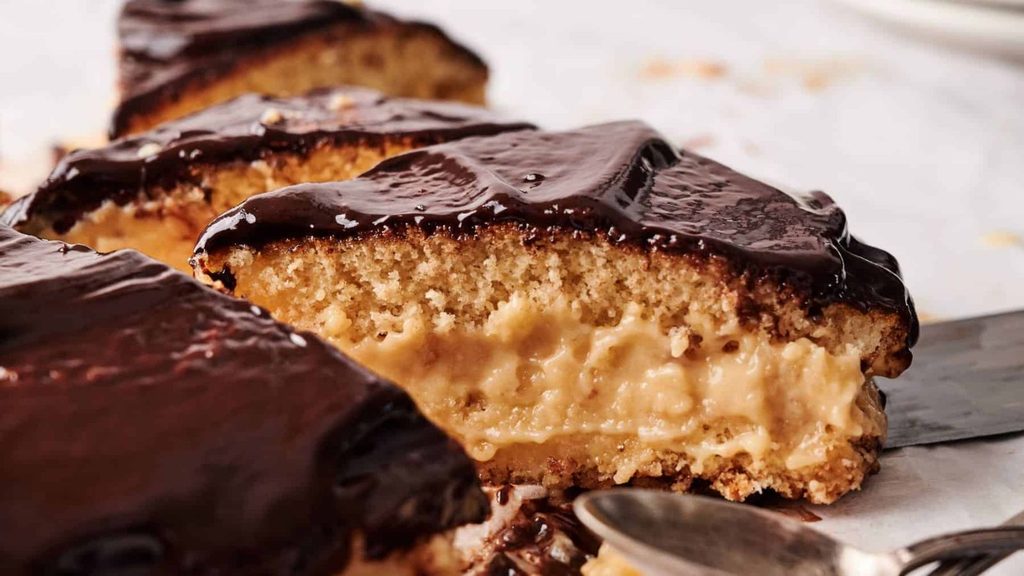
The company has built one of the world’s largest doughnut businesses on a flavor a Boston hotel served nearly a century before Dunkin’ existed. Two Massachusetts laws already claim that same flavor, and Dunkin’ needed neither one to build its business. Dunkin’ did not invent the pairing and makes no claim to have.
The dessert’s spot on the statute books
The dessert law sits two sections after the cranberry became the official berry, and three after the navy bean became the official bean, with Johnny Appleseed, the folk hero, wedged between. The Legislature’s appetite for food trivia goes well past pastry, and the Boston Cream Pie Cupcake bill would fit on that same list, next to a cake that still argues, almost 30 years later, that it is a pie.
Mandy writes about food, home and the kind of everyday life that feels anything but ordinary. She has traveled extensively, and those experiences have shaped everything, from comforting meals to small lifestyle upgrades that make a big difference. You’ll find all her favorite recipes over at Hungry Cooks Kitchen.