
A national park can feel less like an escape when you’re circling for parking behind a parade of rental cars. Fall gives several popular parks a little breathing room, but crowds don’t thin everywhere at once. Choose your dates carefully, because quieter trails may mean closed roads or fewer services.
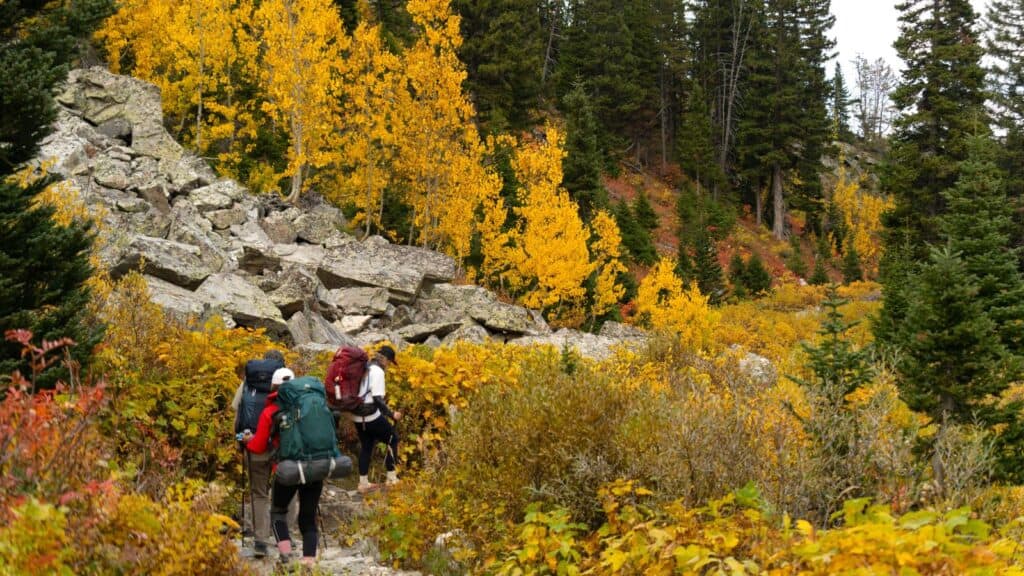
Glacier Gets Calmer as Services Wind Down
Glacier National Park says fall is generally less crowded. Its trails are usually less crowded too. September can still bring plenty of hikers. Visitor centers begin closing in late September and early October. Going-to-the-Sun Road usually stays fully open until the third Monday in October, weather permitting. Early fall can work well here. Check road and service status before building your day.
Yellowstone’s October Drop Is Hard to Miss
Yellowstone’s monthly averages drop sharply. National Park Service figures for 2014 through 2018 average 947,688 visits in July. September averages 663,651. October falls to 223,777. November averages just 14,323. That record makes October a much calmer bet than midsummer without pushing your trip into winter.
Grand Teton Treats October as Shoulder Season
Grand Teton’s drop is clear even in a record year. NPS says July 2021 was the busiest month in the park’s history. It drew more than 800,000 recreation visits. October 2021 still ranked as the second-busiest October on record. Even so, it drew 245,834 visits. Visitor services are limited at that time of year. Check current road and facility details close to your trip.
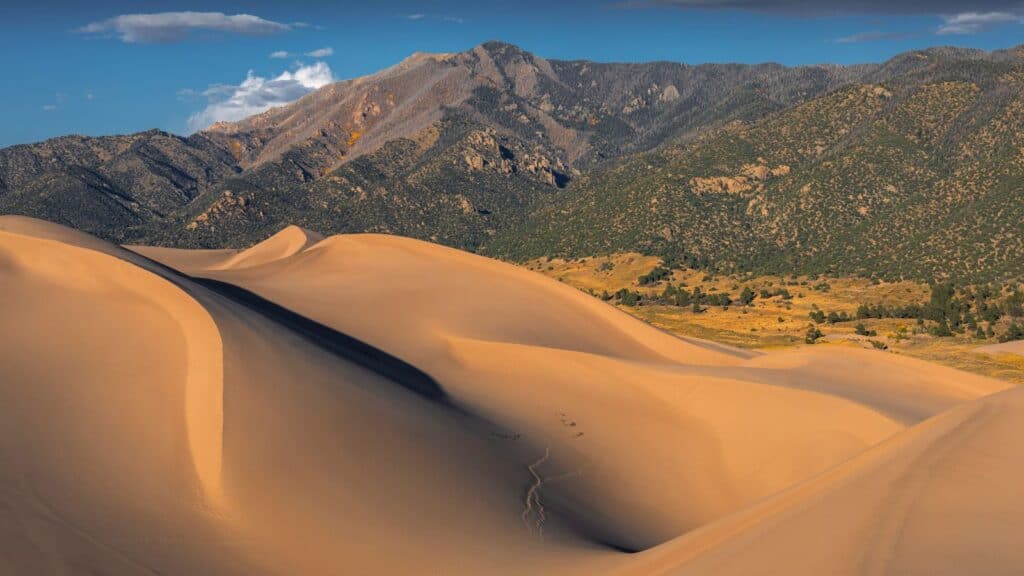
Great Sand Dunes Slows as Temperatures Fall
Great Sand Dunes spells out the fall change in its monthly guide. The park says traffic decreases in September and October. November brings a bigger drop as colder weather arrives. October can still have pleasant days. The average high is 60 degrees Fahrenheit, with lows around 32 degrees Fahrenheit. Thanksgiving weekend can get busier. Late fall is not crowd-free by default.
Olympic’s Better Bet Starts After September
Olympic National Park says June through September are its busiest months. That makes October the first full month outside the park’s busiest stretch. The trade-off is scale. Olympic is large, and no roads cross the park. Conditions also differ across its coast, rain forest, and mountains. Several in-park lodging options are seasonal. Plan the exact region you want to see, not just the park name.
Yosemite’s Bigger Break Comes in November
Yosemite’s long-term averages show a slower fall drop. National Park Service figures for 2010 through 2024 average 624,559 visits in July. October averages 388,581. November falls to 196,374. October is lighter, but November is where the gap gets much bigger. That can matter if extra space matters more to you than keeping a summer-style park day.
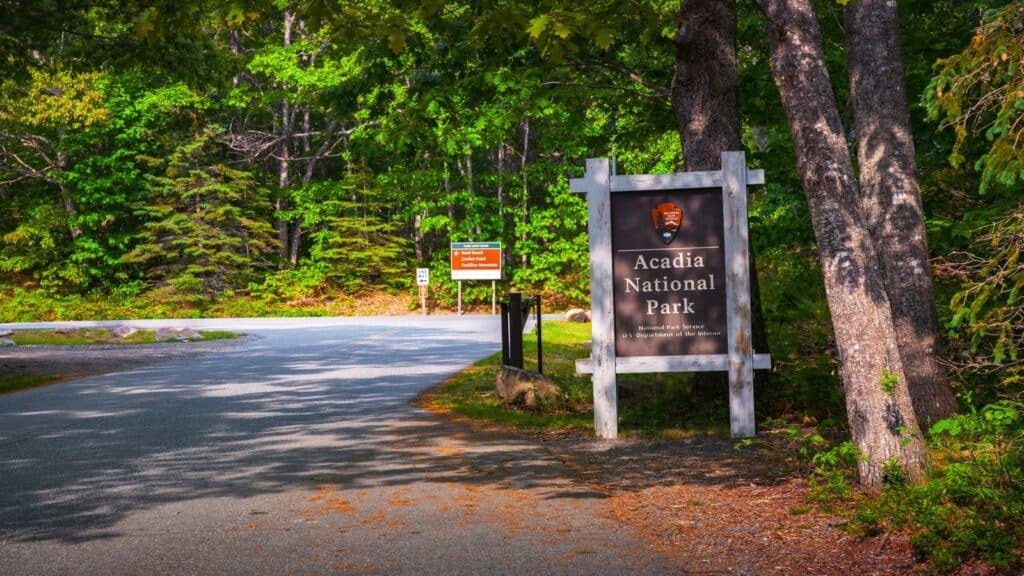
Acadia Saves Its Calm for Late Fall
Acadia stays busy deeper into fall than many travelers expect. The park says peak visitor season typically runs from June into September. Its Cadillac Summit Road reservation season extends from May into October. NPS points to late fall as one of the most peaceful times to visit. That makes Acadia a late-fall pick. It is not a blanket “September is quiet” choice.
Let the Crowd Pattern Shape the Calendar
A low-traffic month only helps if the park still gives you the trip you want. Fall can bring shorter days and fewer services. Road access can change, too. Check current operating details after you choose your dates, not just the crowd history. Good timing gives you more breathing room without giving up the places and activities that made you choose the park.