
National Smoothie Day falls on June 21, the first day of summer, but the smoothie’s appeal extends far beyond a seasonal treat. Americans continue to fall short on daily fruit intake even as interest in healthy eating stays high. That gap has helped turn smoothies into one of the simplest ways to fit more produce into a busy day, transforming a once-niche health food into a mainstream habit found everywhere from home kitchens to convenience store coolers.
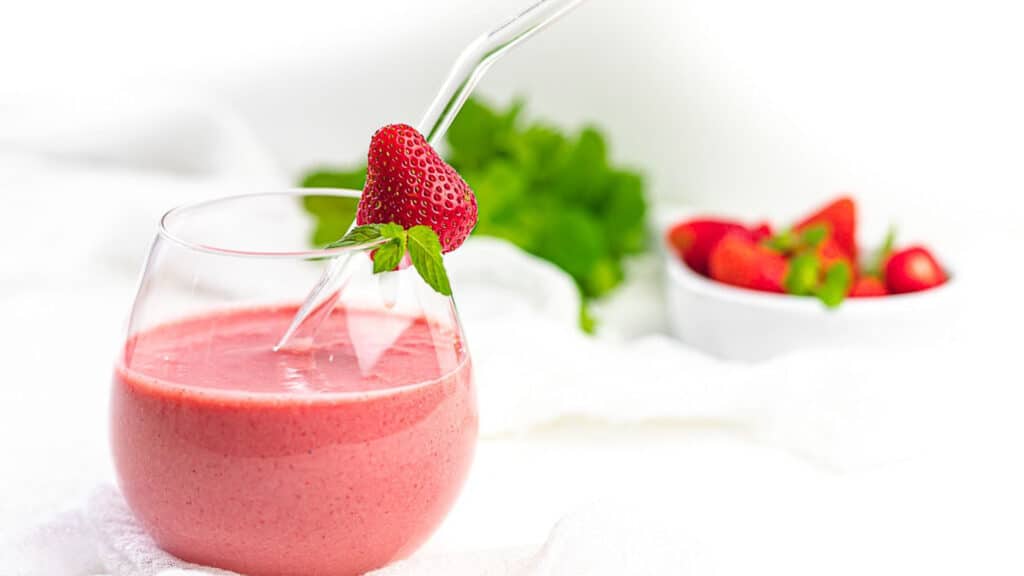
About 80% of Americans consume less fruit than recommended, with per-capita fruit availability falling 14% between 2003 and 2021. Eating healthy has also gotten harder to afford: 90% of adults say healthy food has gotten more expensive in recent years, and 69% say those price increases make it harder to eat well. Smoothies address both problems at once, offering a practical way to consume multiple servings of fruit and vegetables in a single meal or snack.
Smoothies started long before wellness culture
While smoothies are often associated with modern wellness trends, blended fruit drinks have been around for decades. The category gained momentum in the United States during the health-food movement of the 1960s and 1970s, when natural food stores and juice bars began promoting fruit-based beverages as an alternative to heavily processed snacks and drinks.
The format expanded because it solved a simple problem. Blending fruit made it easier to consume larger quantities at once, while frozen ingredients added convenience and year-round availability. Over time, smoothies moved from specialty shops into everyday grocery carts and household routines.
Home blenders turned fruit into a daily habit
Many consumers first encounter smoothies at restaurants, but most are now made at home. A blender, frozen fruit and a liquid base are often enough to create a quick breakfast or snack that requires little preparation.
Home preparation also gives consumers more control over ingredients and cost. Families can use fresh or frozen fruit, add vegetables, yogurt or protein, and adjust portions based on budget. As grocery prices continue to influence food decisions, homemade smoothies offer a relatively affordable way to increase fruit intake without relying on specialty products.
Convenience products make smoothies easier
Frozen smoothie kits, pre-portioned fruit blends, bottled smoothies and canned smoothie-style beverages have expanded the ways consumers can incorporate smoothies into their daily routines. Many of these products require little or no preparation, making them a practical option for people who do not have the time or ingredients to blend drinks from scratch.
These products have helped expand smoothie consumption beyond traditional breakfast occasions. Ready-to-drink options appear in lunchboxes, office refrigerators and convenience stores, making fruit-based beverages accessible throughout the day. The growing variety also allows consumers to choose products that fit their budget, dietary preferences and schedules.
Smoothie chains bring the trend mainstream
National smoothie chains have helped turn blended fruit drinks from a niche health-food offering into a familiar menu category. Smoothie King centers its menu around goals such as fitness, weight management and general wellness; a strategy it calls purposeful blending. Its Clean Blends initiative removes artificial flavors, colors and preservatives while prioritizing whole fruits and organic vegetables. The company has also expanded beyond beverages with its Power Eats menu as smoothies increasingly appear alongside breakfast, lunch and post-workout meals.
Tropical Smoothie Cafe pairs its made-to-order smoothies with wraps, flatbreads and bowls, positioning the brand as a full-meal destination rather than a stop for a single beverage. The chain’s Island Green smoothie, which blends spinach, kale, mango, pineapple and banana, has become one of its signature menu items by making vegetable intake easier to incorporate into an everyday order.
Jamba’s recent Blended for Everyone campaign challenged the idea that wellness products need to feel exclusive or expensive. Alongside its smoothies, the brand offers fresh-squeezed juices, wellness shots and customizable boosts that allow customers to tailor an order to specific preferences or health goals.
Where smoothie bars fit in the broader food dollar
Smoothies occupy an increasingly prominent space within the foodservice industry and continue to capture a larger share of consumer spending. Restaurants and foodservice operations account for 53% of the household food dollar, with total industry sales projected to reach $1.55 trillion. Consumers who are already eating away from home in growing numbers are choosing formats that do more than feed them.
The smoothie’s durability as a consumer staple comes down to a practical advantage that has not changed: it packs a meaningful amount of fruit and vegetables into a fast, portable format that most people find genuinely enjoyable. As long as the gap between what Americans intend to eat and what they actually eat holds, the format has a clear and dependable role to play.
Jennifer Allen is a retired professional chef and long-time writer. Her work appears in dozens of publications, including MSN, Yahoo, The Washington Post and The Seattle Times. These days, she’s busy in the kitchen developing recipes and traveling the world, and you can find all her best creations at Cook What You Love.