
Security trays rarely stop because a traveler packed something dramatic. More often, an ordinary item is hidden, oversized or arranged in a way that keeps an officer from getting a clear image. These habits do not guarantee a secondary search, and TSA officers make the final call at the checkpoint. They can lead to a bag being opened, rescanned or repacked. A few smarter choices can make your carry-on easier to screen without leaving useful items at home.
Oversized Spreads Can Trigger the Liquids Rule
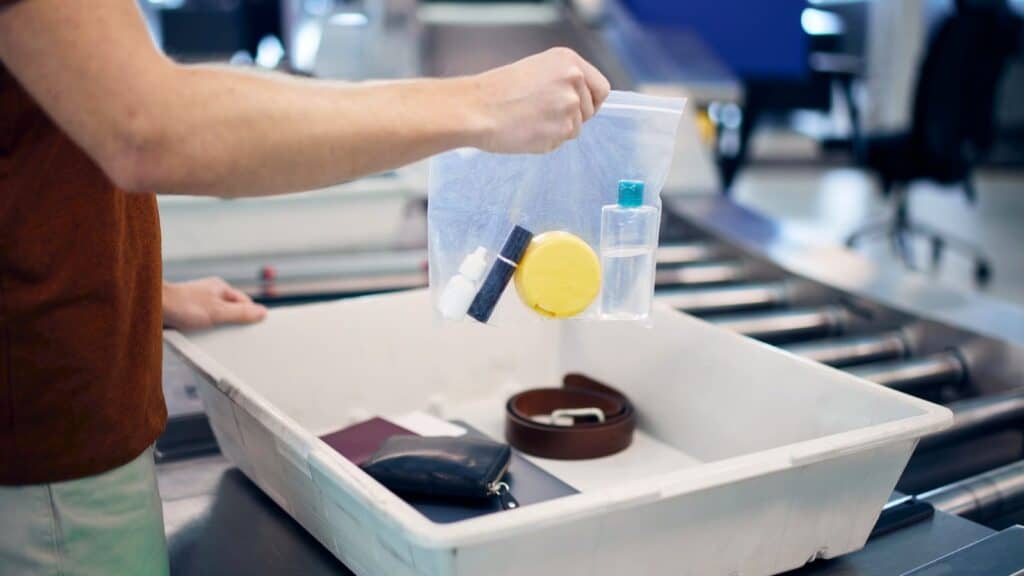
A jar may look like food, but consistency matters at the checkpoint. TSA treats peanut butter as a liquid for carry-on screening, so each container must hold 3.4 ounces or less. A larger jar can travel in checked luggage. Keeping spreads with your other liquids also makes them easier to remove if an officer asks for a closer look.
Loose Food Can Obscure the X-Ray
Snacks are allowed, yet placement can affect screening. TSA says solid food may need to be separated because food, powders and other materials can clutter a carry-on and obstruct a clear X-ray image. Group snacks near the top instead of scattering them between clothes, chargers and toiletries. An officer can identify or remove the food without unpacking everything else.
A Buried Laptop Slows Standard Screening
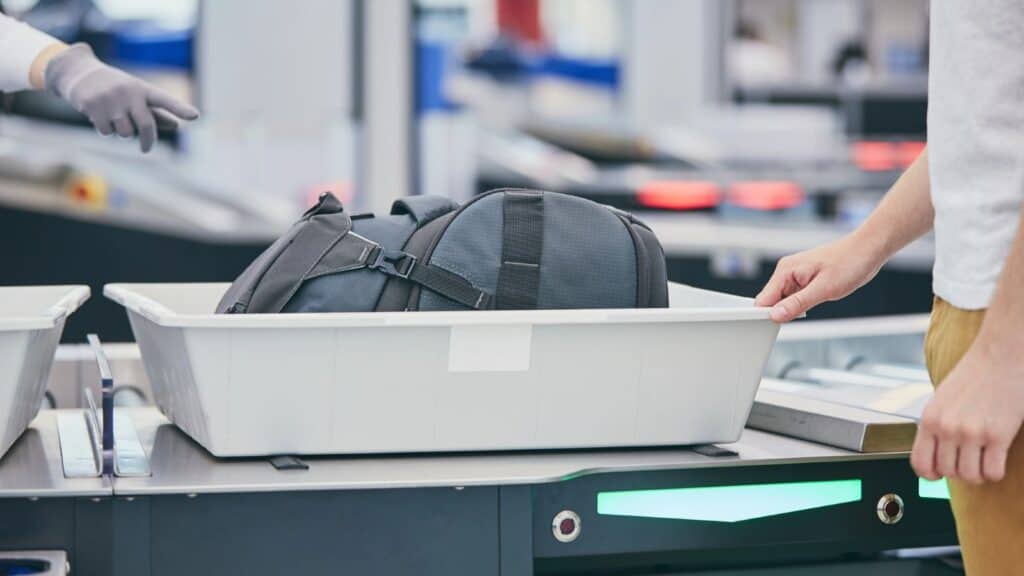
In a standard lane, TSA instructs travelers to remove laptops and place them in a separate bin. TSA PreCheck travelers usually keep laptops inside, though checkpoint instructions still control. Burying a computer under clothes or tangling it with cords makes it harder to remove when required. Pack it in an accessible sleeve and listen for directions at your lane.
Large Powder Containers Invite a Closer Look
Powder-like substances are not automatically banned. For travelers flying to the U.S. from an international last point of departure, TSA warns that containers over 12 ounces or 350 milliliters may require additional screening. A container that cannot be cleared will not enter the aircraft cabin. Put nonessential bulk powders in checked luggage, and keep smaller containers easy to reach.
Overstuffed Bags Make Images Harder to Read
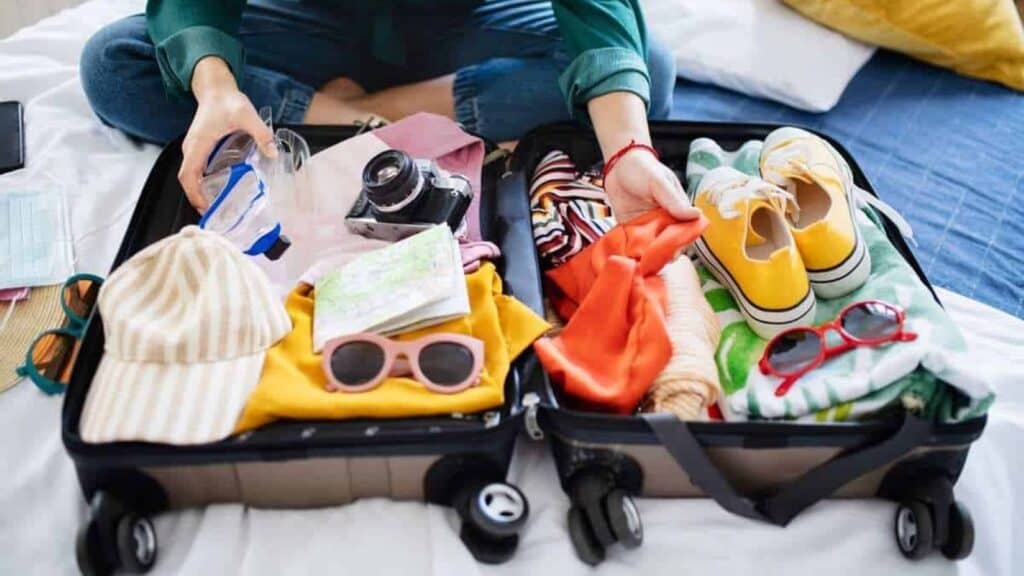
A tightly compressed carry-on is not prohibited, but it works against TSA’s advice. The agency tells travelers to keep bags uncluttered so officers can get clear X-ray images. Leave enough room to remove an item without emptying the bag. Clear layers also help an officer examine one area without disturbing everything around it.
Half-Melted Ice Packs Become Liquids
Frozen food can pass through screening, but its cooling method has a catch. TSA requires ice packs to be completely frozen when you present them. A partially melted pack with liquid in the bottom of the container will not be permitted. Freeze it solid before leaving home, use a well-insulated cooler and allow for travel time before you reach the checkpoint.
Power Banks Belong in the Cabin
Never pack a portable charger in checked luggage. FAA rules require power banks and other spare lithium batteries to travel in carry-on baggage, with terminals protected from short circuits. If a carry-on is checked at the gate, remove the power bank and keep it in the cabin. Airline limits can be stricter, especially for larger batteries.
Pack for a Clear First Look
Airport screening will never be fully predictable because equipment, lanes and officer instructions vary. The useful goal is not to outsmart the checkpoint. Make each item easy to identify and easy to remove. A bag packed for inspection is also easier to live out of when plans go sideways, which makes careful packing valuable long after the security line ends.