
The best bowl of pasta at a good restaurant often has at most three or four ingredients, arrives barely dressed and tastes better than most people can replicate at home. What restaurant kitchens figured out long ago, and what the grocery aisle is only now catching up to, comes down to the pasta itself. One of the most useful clues is on the label: bronze die.
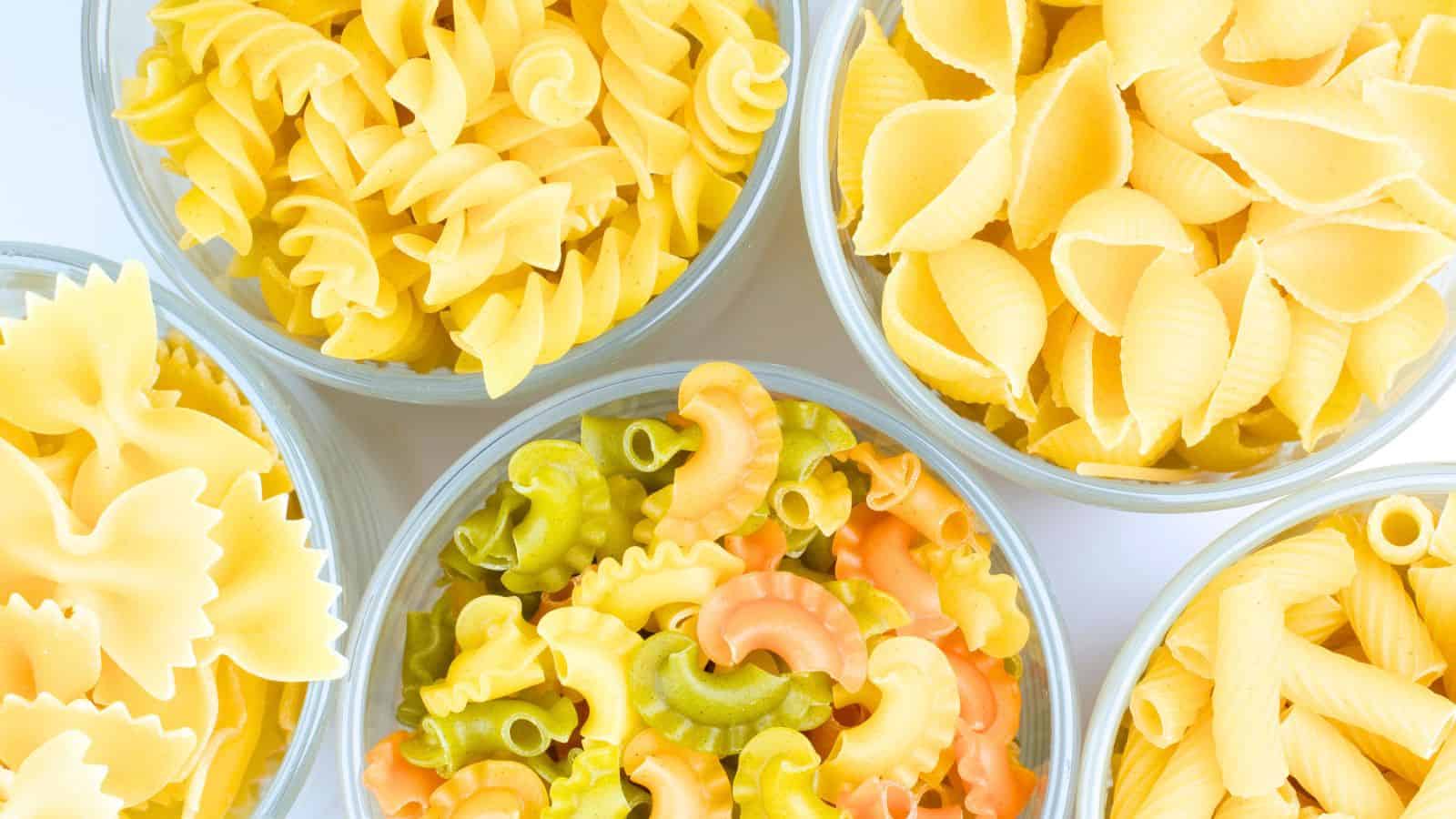
At a good Italian restaurant, pasta arrives looking like something was left off, with far less on the plate than many first-time visitors anticipated. The restraint is deliberate. Professional pasta makers have long understood that the pasta’s surface affects how it behaves with sauce, and that understanding is now reaching mainstream grocery aisles. This National Pasta Day, Oct. 17, that starting point is available to more home cooks than ever before.
The split in the pasta aisle
The US pasta and noodles market is forecast to reach nearly $10 billion in value by 2027, and growth isn’t coming evenly. Premium and chilled pasta are trending upward. Traditional dried pasta is trending downward. The split is described as a K-shaped curve, with two ends of the market moving in opposite directions at the same time. One quality associated with premium Italian-style dried pasta has been visible on packages for years, even if many shoppers have overlooked it.
The two words worth reading on the label
The two words worth finding on any pasta label are bronze die, and they matter more than the brand or the price. Pasta is made by pushing dough through dies, metal plates with holes shaped for each pasta type. Many industrial manufacturers use Teflon-coated dies because Teflon is smooth and lets the pasta extrude efficiently without sticking. The pasta that comes out is also smooth, giving sauce less surface texture to grip.
Bronze dies are rougher and wear out faster, and the pasta that comes through them emerges with a surface full of tiny ridges and pores. Sauce clings to it. Starchy pasta water helps emulsify the sauce so it coats the pasta instead of separating. A piece of dry bronze-die pasta feels rough at the edge, almost grainy; the Teflon-extruded kind won’t. That roughness is the whole game. The label will say “bronze die,” “bronze cut,” or the Italian trafilata al bronzo. When the package says nothing about die material, there is no way to know which method was used.
How restaurant kitchens finish pasta
When pasta has real surface texture, the sauce becomes part of it rather than sitting on top. The technique is called mantecatura. The pasta goes into the pan with starchy pasta water and butter or olive oil, and with careful heat and constant tossing, everything tightens into something cohesive and glossy. No cream. No cornstarch. The starch in the pasta water holds it all together.
The almost-empty plate is the one where the cook trusted the pasta. When pasta has less surface texture, a heavier sauce can do more of the work.
Preparations that prove the point
Cacio e pepe is pasta, pecorino romano, black pepper and pasta water. The cheese, pepper and starchy pasta water come together into a sauce-like emulsion, and if the pasta is right, the final bowl is somehow both light and rich. Aglio e olio combines olive oil, thinly sliced garlic, red pepper flakes and parsley in one of Italy’s simplest pasta preparations. Brown butter with parmesan takes five minutes and one pan, and it has no business tasting this good.
A pasta with fresh cherry tomato sauce works the same way. The tomatoes stay bright and the sauce clings rather than pooling because the pasta does its part. Rigatoni alla vodka shows it most concretely, with ridged tubes that hold the creamy sauce both inside the hollow and across the exterior.
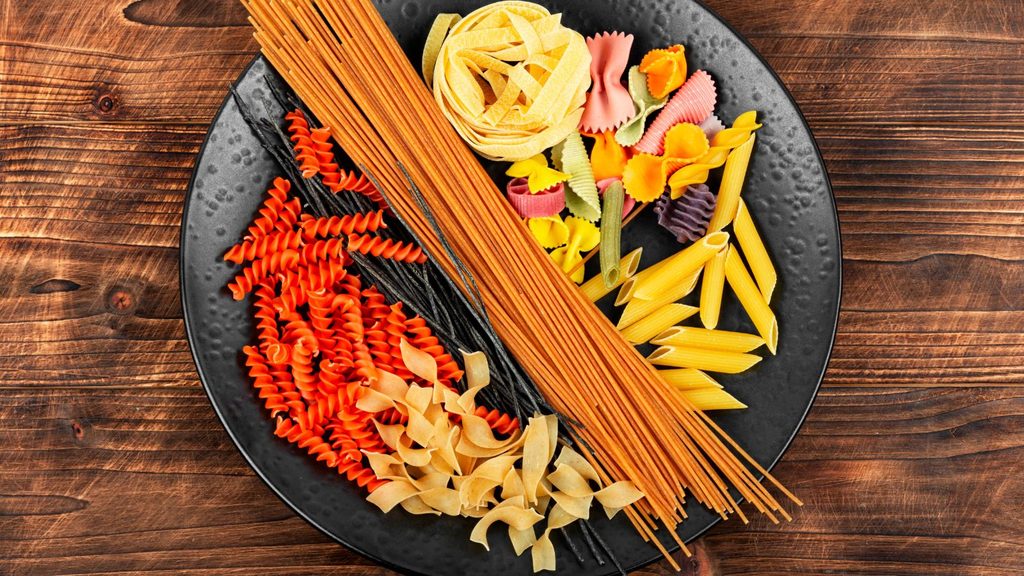
Each preparation works because the pasta has room to be the star. The ingredient list is short by design, not default.
The premium end is winning the argument
The K-shaped curve describes a category in the middle of renegotiating what it is for. The commodity shelf is holding steady. Growth is at the premium end, where labels make specific claims about how the pasta was made and where it came from. The restaurant kitchen and the home pantry have been working with different information, and the distance between them is closing. Those two words give home cooks something specific to look for. The ingredient comes first. When the pasta is right, the cook no longer has to compensate for it.
Jennifer Allen is a retired professional chef and long-time writer. Her work appears in dozens of publications, including MSN, Yahoo, The Washington Post and The Seattle Times. These days, she’s busy in the kitchen developing recipes and traveling the world, and you can find all her best creations at Cook What You Love.