
The pasta and noodles market in the United States is projected to hit nearly $10 billion in value by the end of 2027, despite steady sales declines in the traditional pasta market. Convenience and health concerns dominate the market, as both chilled and alternative pastas take center stage. But the alternatives are not all equally appealing.
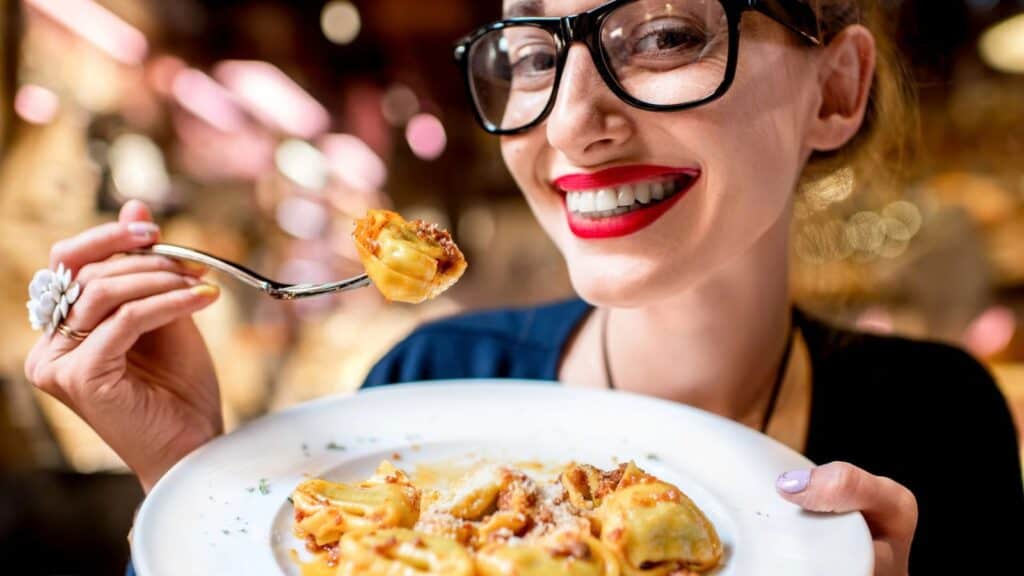
In recent years, pasta has been reinvented as high-protein, gluten-free, chickpea, lentil, cauliflower, seaweed and more. The appeal of pasta made with healthier ingredients is obvious, especially as more people search out gluten-free or high-protein options. In the rush to cater to people who want their pasta and their healthy too, flavor and texture often take a back seat.
It’s estimated more than 3 million Americans suffer from celiac disease, and another 22 million deal with wheat allergies or gluten intolerance. That alone would be enough to drive growth in alternative pastas. Add to that the 1 in 3 adults who are already on or want to try GLP-1s that require high-protein intake, and it’s clear where the market is moving.
The options
There’s no shortage of pasta substitutes in the grocery store these days. In addition to those who attempt to replace typical noodles, several Asian variations are also gaining popularity.
The first, most obvious substitute for wheat in your pasta is to go with ancient and alternate grains. This would be pasta that uses flour made from brown rice, quinoa, corn, cassava or farro. The result is a gluten-free noodle that has the taste and texture of traditional pasta. Or at least very close. And these formulations are improving regularly.
Next up are the high-fiber, high-protein concoctions. These are usually legume-based, made from lentils, black beans, edamame or chickpeas.
Another popular alternative is vegetable-based pasta. These tend to be low in carbs and calories, and surprisingly hold up as pasta, despite their origins. Think spiralized zucchini zoodles, hearts of palm and stripped-down spaghetti squash. That’s actually where spaghetti squash gets its name. The cooked flesh separates into long, stringy strands that look just like spaghetti noodles.
Finally, you get the fiber- and root-based pastas, from Asian roots. These have almost no calories or carbohydrates. Shirataki or konjac noodles are made from the Asian konjac root. Kelp and seaweed-based noodles fall into this category as well.
What works
As you might be able to guess, the noodles that feel and taste most like traditional pasta rank high here. Noodles crafted from corn, brown rice or quinoa flour have a slightly different taste, but it’s hardly noticeable, especially when prepared with other flavorful sauces, like in a pasta e patate. In this case, the pancetta and tomato paste coats the potatoes and noodles, blending the flavor well.
“I’ve had great results with pasta containing corn flour,” shares Tanya Kuruts with Vegtasty. “What I really like about this pasta is the cooking water. Pasta water is an important ingredient in many pasta recipes. When you cook regular pasta, it releases starch into the cooking water. Then you add pasta water to the sauce to thicken the sauce and make it silky. In my experience, the cooking water from this gluten-free corn-based pasta is starchy enough to work like regular pasta water.”
Vegetable-based pastas can be a fine substitute, as long as you prepare them properly and match them with a strong sauce or broth. Both zucchini and summer squash noodles have a light, slightly sweet flavor, but it’s understated. They won’t dominate the dish, but they also won’t add the starchy flavor of traditional pasta. They can become soggy if overcooked. Don’t boil them; instead, toss them in raw with the other ingredients, sauté or steam them. It can help to pair them with a dish that already embraces their flavor, like pasta alla Nerano.
What sometimes doesn’t
High-protein, high-fiber pasta may be one of the healthiest options, but it must be prepared with care. It tends to absorb less of the water, sauce and flavor from the surrounding ingredients. It also doesn’t release starch into the water like traditional pasta, which may alter the taste of what you’re eating. If you’re just looking to increase the protein amount, it’s often easier just to increase the meat or other proteins in a traditional pasta dish than to swap out the noodles.
“High-protein chickpea or lentil pastas can work,” explains Chef Dennis Littley. “They’re more noticeable substitutions because they bring their own flavor and texture to the dish. I’d pair them with sauces and ingredients that complement those flavors rather than expecting them to behave exactly like traditional wheat pasta.”
The biggest complaint about legume-based pasta is that its unique flavor can overpower a traditional dish. The noodles are no longer part of the whole, but the dominant, decidedly un-pasta-like flavor. However, that doesn’t necessarily rule them out. The key is to mix them in a dish already embracing their taste, like minestrone verde. This green twist on the traditional Italian soup packs the pasta with onions, celery, garlic, Cannellini beans and leeks.
Pasta fresca
“Italian cooking has plenty of variations,” concludes Littley. “I’ve found there can be as many variations as there are Italian grandmothers … understand what makes the original work, then make substitutions thoughtfully rather than changing ingredients just for the sake of changing them.”
When does healthier pasta stop feeling like pasta? Every Italian has their own definition; their own line they won’t cross. But the fact is, all of these pasta alternatives can be used in multiple dishes. The key is to know what works and why, and then take that into account when choosing your noodles.
Bella Bucchiotti is a freelance writer with a passion for adventure, delicious recipes and authentic storytelling. Through xoxoBella and social media, she shares vibrant travel experiences, mouthwatering dishes and everyday moments that inspire connection.