
Pepperoni is America’s most popular pizza topping, and Italy had less to do with it than most people think. It spent decades as a deli meat, sliced for sandwiches, long before it ever showed up on a pizza. That history is what makes National Pepperoni Pizza Day, Sept. 20, worth more than just another excuse to order a large.
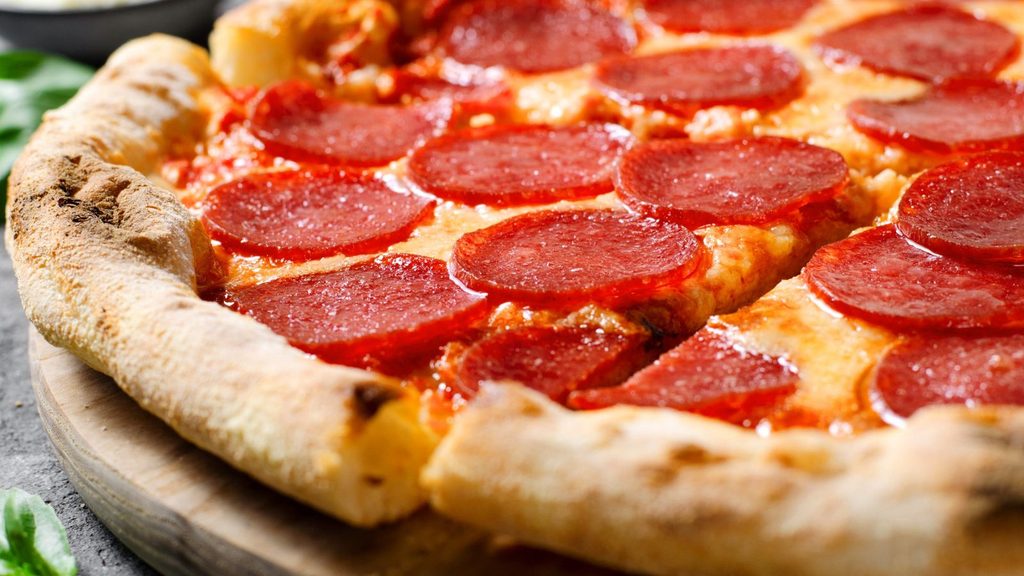
Southern Italian immigrants working in butcher shops in New York and other eastern cities in the late 19th and early 20th centuries had the craft for spicy cured salami, generations of it carried from the cured-meat traditions of southern Italy. Southern Italian salami traditions provided the model, while American producers adapted the seasoning and meat blend to fit what was available in the United States. Those producers swapped in paprika and chili for the spices back home and blended beef into the pork.
Food writer and historian John F. Mariani has described pepperoni as a purely Italian-American creation, and the ingredients tell the same story. Italian immigrants had the craft and not the same raw materials, so they built something new from what they could find.
World War II created the audience pepperoni needed
For years after it was first produced, pepperoni was primarily a deli product. Italian-American butcher shops in New York City and other eastern cities sliced it for sandwiches and antipasti in Italian immigrant communities. Outside those neighborhoods, pizza had little presence in most of the country.
In 1939, the New York Herald Tribune felt compelled to explain what “peet-za” was and how to say it. Then the Italian Campaign began. From 1943 to 1945, hundreds of thousands of American GIs fought in southern Italy, where pizza was a local staple and civilians shared what little they had with the soldiers moving through. The men who came home hungry for it were a major accelerant in what followed.
A returning veteran named Ira Nevin, whose family ran an oven-building business, helped develop the gas-fired pizza ovens that made high-volume pizza production more feasible across the country. Shakey’s opened in 1954, Pizza Hut in 1958, Little Caesars in 1959 and Domino’s in 1960.
Oregano sales in the United States rose more than 5,000% between 1948 and 1956, a figure that captures how fast Italian food moved from ethnic neighborhood staple to national mainstream. Pepperoni had been sitting in Italian-American delis the entire time. But as demand for pizza grew, there weren’t nearly enough places to serve it.
The chains chose pepperoni over everything else
Sausage, mushrooms, and olives were all available when the first pizza chains opened. Pepperoni won anyway, and one explanation that holds up is operational rather than culinary. The new chains needed toppings that could travel across thousands of locations without variation. They had to be pre-sliced, shelf-stable, consistent in size and weight, and operationally simple.
Many vegetable toppings release moisture under heat. Sausage typically required crumbling or pre-cooking at location. Pepperoni’s cured format gave it a practical advantage over many fresh toppings, and it did something under a broiler that few other toppings reliably did. It crisped at the edges, cupped slightly and colored to a deep orange-red that made the pizza look finished. That visual quality mattered in a chain kitchen running on volume.
The same quality is why pepperoni holds up just as well baked into a pizza casserole as it does on a classic pie. Cheap to produce and built to last, it was unusually well suited to commercial pizza production. In Pizza Today’s 2026 ranking of the 20 most popular toppings offered by American pizzerias, sausage is No. 2, mushroom is third, and bacon is fourth.
Still No. 1 in 2026, and still reinventing itself
Pepperoni ranks first among the 20 most popular toppings offered by American pizzerias in 2026, with sausage second and bacon fourth. Pepperoni’s top spot on the list has not changed. What has changed is what operators are doing with the No. 1 topping.
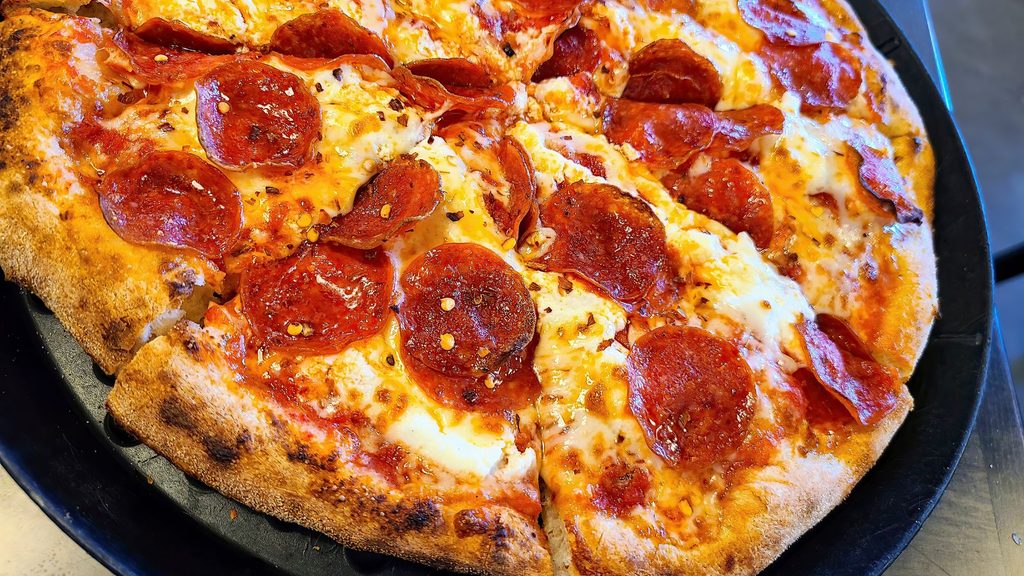
The triple-pepperoni pie is an emerging 2026 menu trend Hormel Foods identifies in its foodservice outlook, combining traditional flat slices, cup-and-char and Hot Calabrian Chili pepperoni on a single pizza. It is part of a broader operator interest in premium pepperoni formats, more variety, more heat, and more pepperoni.
The next pepperoni is probably already in someone’s kitchen
Italian immigrants built pepperoni from what they had, not from what they wished they had, and that improvisation became the most popular pizza topping in the country. The pizzamakers now layering triple-pepperoni pies and pressing Calabrian chili varieties into the rotation are working from the same pressure. They take what exists, make it better and see if it sticks. That creative restlessness is what pepperoni has always run on, and it makes for a story worth sitting down with and a recipe worth trying.
Mandy Applegate is the creator behind Splash of Taste and seven other high-profile food and travel blogs. She’s also the co-founder of Food Drink Life Inc., a unique and highly rewarding collaborative blogger project. Her articles appear frequently on major online news sites, and she always has her eyes open to spot the next big trend.