
Plug in a gadget, strike a citronella match, or slip a dryer sheet into your pocket, and the bugs are supposed to disappear. These fixes feel convincing because they buzz, glow or smell like they are doing something. Entomologists have tested many of those claims, and the results often fall short of the promise. Seven familiar pest-control tricks deserve a closer look before you trust them to protect your home or patio.
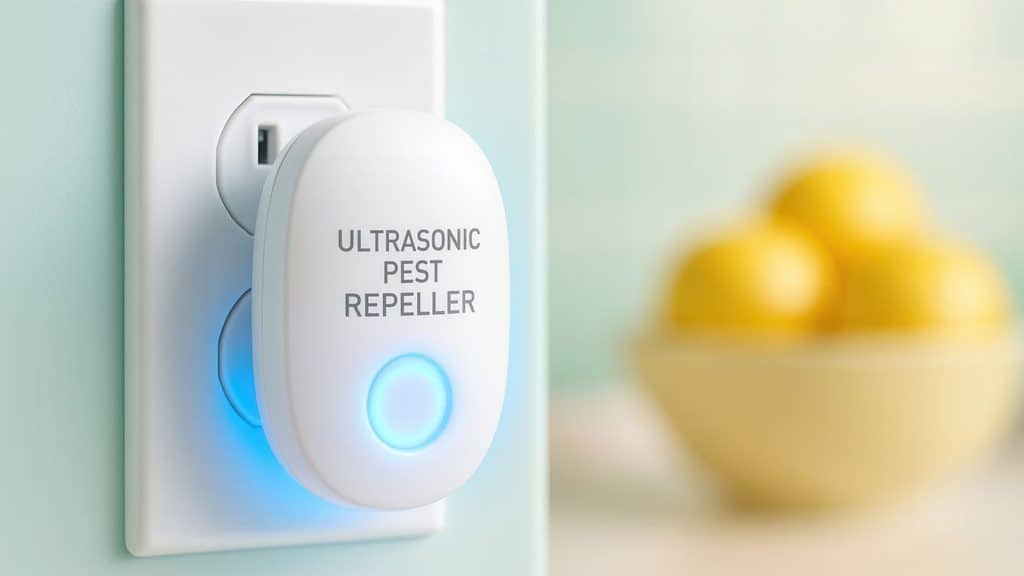
Plug-In Ultrasonic Repellers
Wall-plug devices promise to drive away pests using sound people cannot hear. Northern Arizona University researchers tested four commercial ultrasonic repellers against bed bugs and found that the insects did not meaningfully avoid the devices. That experiment did not examine every pest or every sound frequency, but it gives homeowners little reason to trust these gadgets as a bed bug solution. If you have an infestation, start by identifying the insect and finding the places it hides, rather than relying on an invisible sound.
Backyard Bug Zappers
The snap of a bug zapper sounds like a backyard victory, but its catch rarely matches the mosquitoes bothering you. A University of Delaware study counted 13,789 insects killed by a zapper over a summer; only 31 were biting flies. Iowa State Extension reported the findings and noted that many other insects were harmless or beneficial. Zappers can kill insects, but those results do not make an ordinary ultraviolet-light zapper a dependable mosquito-control plan. Removing standing water tackles mosquito breeding instead.
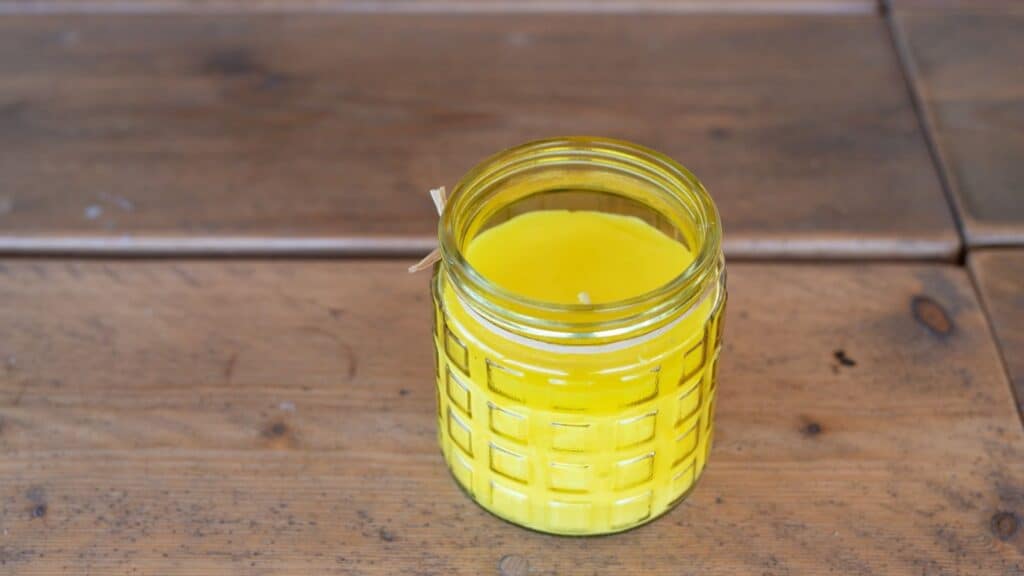
Citronella Candles
A citronella candle adds a pleasant scent to an outdoor table, but the amount of mosquito protection is uncertain. In a 2026 laboratory study, three essential-oil candle formulations repelled mosquitoes while three others showed no significant effect. Earlier outdoor testing has also found little benefit from certain citronella candles. Results depend on the formulation and the conditions, so calling every candle useless would go too far. Still, a flickering candle should not replace an EPA-registered skin repellent when avoiding bites matters.
“Mosquito-Repelling” Plants
Potted citronella geraniums and other scented herbs look like natural patio guards. Iowa State Extension explains that simply placing these plants nearby does not drive off mosquitoes; their repellent oils need to be released from damaged leaves. That does not mean rubbing random leaves on your skin is a reliable substitute for a tested product. Grow basil or mint for the kitchen and enjoy the greenery, but do not count on a flowerpot to protect everyone at the table.
Dryer Sheets in Your Pocket
The dryer-sheet tale is built around a real experiment, just not a mosquito experiment. Kansas State University researchers found that Bounce fabric-softener sheets repelled adult fungus gnats in laboratory tests. Fungus gnats are small flies often associated with potted plants, not mosquitoes circling your backyard cookout. The study never established that tucking a sheet into your waistband prevents mosquito bites. If mosquitoes are the concern, reach for an EPA-registered repellent rather than trusting a laundry product.

Coffee Grounds and Kitchen Spices
Sprinkling cinnamon or scattering used coffee grounds can feel like an inexpensive way to fight ants. Texas A&M AgriLife Extension reviewed home remedies and reported that tests of coffee grounds, cinnamon, and several other pantry products did not establish control of imported fire-ant mounds. That finding concerns fire-ant colonies; it does not rule out a brief effect on a trail of another ant species. An interrupted trail is not the same as eliminating a colony. Identify the ants before choosing a control method.
Setting Off a Bug Bomb
Total-release foggers fill a room with pesticide, so they may seem stronger than a small dab of gel bait. NC State researchers tested four fogger products in homes infested with German cockroaches and found no population decline after two weeks or a month. Pesticide residue increased on exposed surfaces, including kitchen counters. In comparison homes, gel baits significantly reduced cockroach numbers. The study dealt with German cockroaches, not every pest a fogger might target. For roaches, careful placement of labeled bait in their hiding areas is a more focused approach.
Evidence Beats the Busywork
Choosing pest control is an exercise in matching evidence to the problem. Before buying a remedy, ask which insect the research tested, whether it worked in a home or only in a lab, and whether it actually reduced the pest problem. Those questions can save money and frustration long before the next gadget gets plugged in.