
Fresh-caught fish beside a photo of a fishing boat can make dinner sound dockside, even when its origin is unclear. The impression comes from the menu’s pictures as much as its words. Not every tempting adjective has one nationwide definition, but restaurants still face truth-in-advertising and state rules. These nine familiar menu claims are worth questioning before you order.

What “Homemade” Actually Includes
Homemade soup sounds like it started in the kitchen, but the word alone cannot tell you every step. Did the cooks prepare the stock, make the noodles or finish a purchased base? The FTC says advertisers must back up factual claims, including impressions customers reasonably take from an ad. A menu description should not mislead you about how the food was prepared. Ask what the kitchen makes itself.
“Artisan” Without the Details
Artisan bread can suggest careful handwork. Yet the menu may not tell you whether the dough was mixed on-site, shaped by hand or delivered ready to bake. The FTC considers implied advertising claims as well as direct statements. When the method matters to you, ask who makes the bread and how.
The Time Behind “Aged” Steak
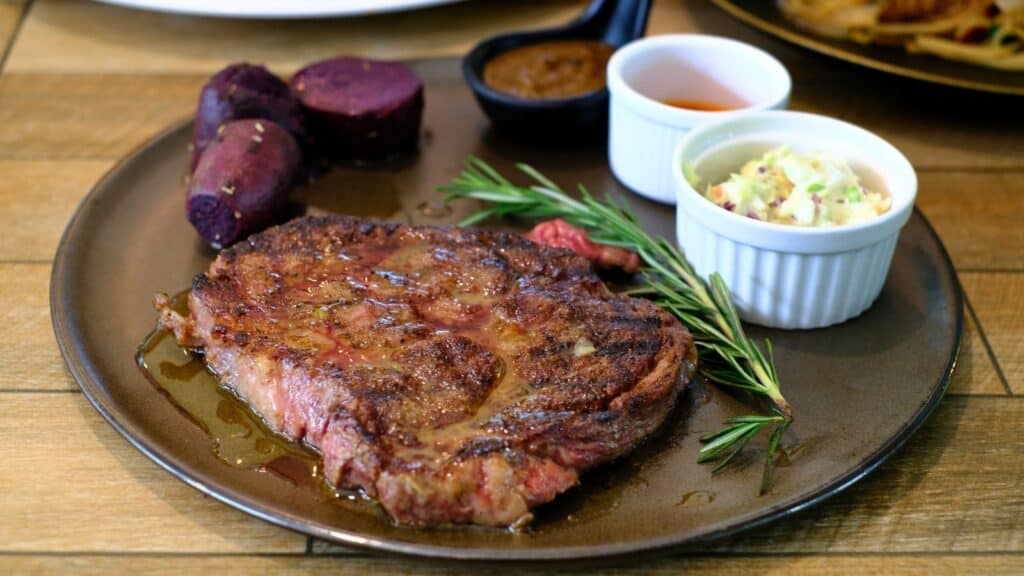
Aged steak sounds special, but the menu may leave out both the length and method of aging. USDA meat-labeling policy separately addresses aged beef labels. Those product-label policies should not be mistaken for one universal restaurant-menu day count. Ask whether the steak was wet-aged or dry-aged and for how many days.
“Local” Has Different Boundaries
Local tomatoes might come from the next town or elsewhere in the region. There is no single mileage rule for every American menu, and state law can add requirements. Vermont, for example, defines certain local claims for food sold or marketed there. Local food shopping gives you a chance to speak directly with growers. At dinner, asking which farm or town supplied an ingredient makes the claim more useful.
“Farm-to-Table” Needs a Farm
Farm-to-table suggests a direct connection to a grower, but it does not name the farm or explain how ingredients reach the kitchen. The FTC says menus are advertising when they create claims about what a restaurant serves. A distributor may still be involved in a legitimate supply chain. Ask who grew the ingredient and how regularly the restaurant buys it.
The Story Behind “Wild-Caught”
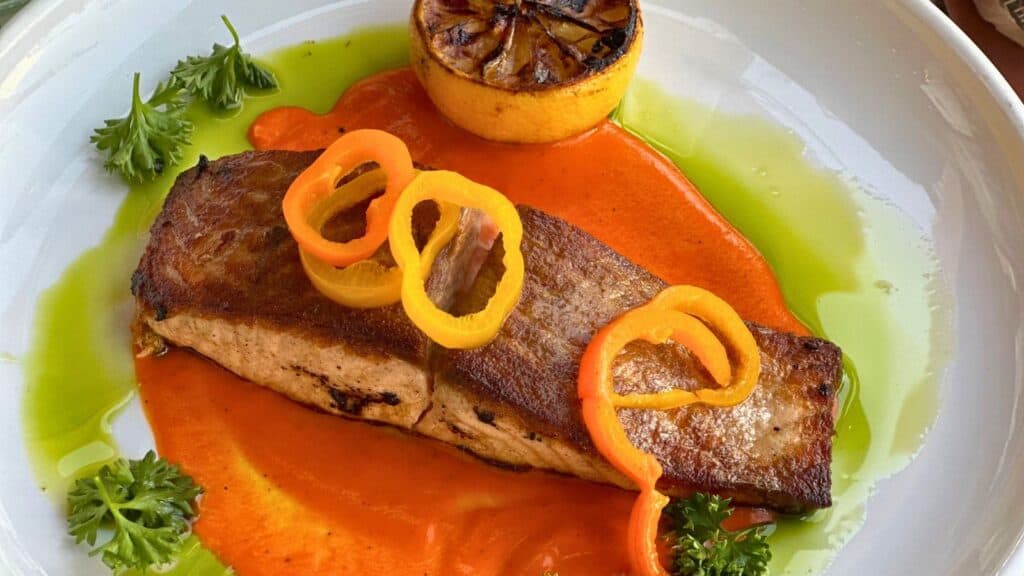
A seafood special can carry a strong origin story even without naming a dock. The FTC warns that pictures of boats, fishermen, and phrases about local seafood can create misleading seafood impressions. Rather than treating nearby fishing imagery as proof, ask whether the fish was wild or farm-raised and where it came from.
“Fresh” Is Not Always Simple
Fresh may refer to taste, preparation, or an ingredient’s condition. FDA food-labeling rules address particular uses of the term, while restaurant and state rules also matter. Los Angeles County’s mobile food inspection guidance lists previously frozen fish advertised as fresh among violations. That contradicts the idea that frozen seafood can always be called fresh. Ask whether the fish was ever frozen if the distinction matters to you.
“Natural” Leaves Questions Open
The FDA has not adopted a formal regulatory definition of natural for all human food labeling, though it has a longstanding natural policy concerning unexpected artificial or synthetic additions. That policy does not settle whether pesticides were used or how a crop was grown. Nor does it create a simple nationwide promise for restaurant menus. If natural draws you to a dish, ask which ingredient or growing practice the restaurant means.
“Sustainable” Needs an Explanation
Sustainable fish or produce sounds reassuring, but the adjective alone does not identify the environmental practice behind it. The FTC’s Green Guides caution against broad environmental claims that cannot be substantiated. Ask whether the description refers to a fishing method, farm practice, packaging choice, or another specific step.
Better Questions Make Better Menus
A tempting menu description is a starting point, not proof of quality and not proof of dishonesty. When a claim affects your order, ask for the fact behind it: a farm, an aging period, or a preparation method. A restaurant that can explain its own language gives you more useful information than a long string of glowing adjectives.