
Buying less was supposed to be a quiet rebellion against retail. Now retailers are studying that rebellion like a business plan. The urge to want less turns out to be something brands know exactly how to talk to, which makes for a strange coincidence with National Simplicity Day.
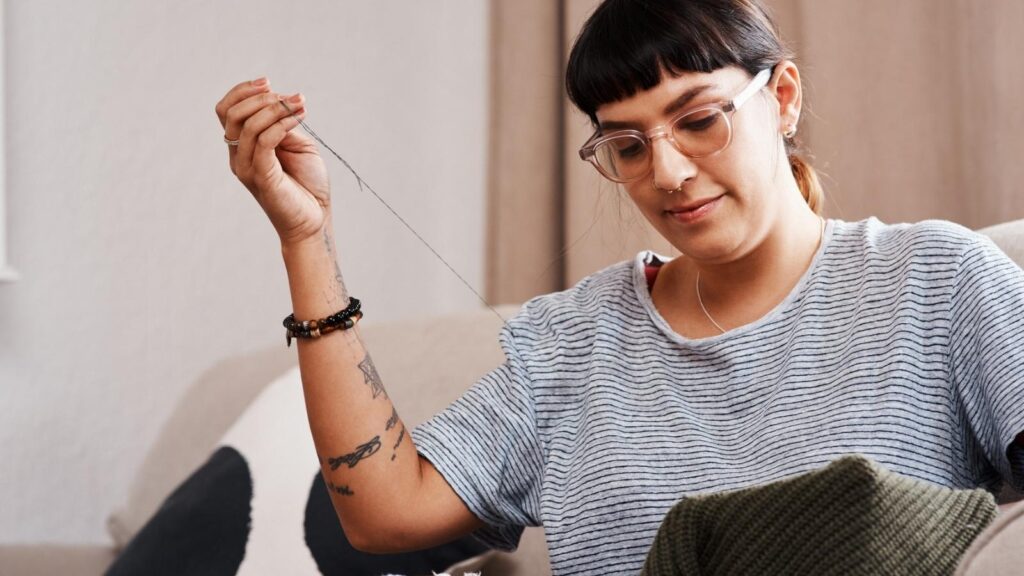
The trend traces back to underconsumption core, the anti-haul corner of social media built on plain, unlit videos of people using stuff they already own. Instead of showing off hauls, creators held up worn-in sneakers and skincare scraped to the last bit, treating “still works” like a badge of honor. It caught on fast because it asked nothing of anyone.
That plainness is exactly what turned out to have market value. A 2025 consumer survey found nearly 35% of shoppers say the last few years taught them that less is more, and the same research shows people building lists and comparing prices before they buy instead of grabbing whatever’s in front of them. For anyone selling things for a living, that’s less a warning sign than a memo.
The look that wasn’t selling anything (at first)
The whole point of underconsumption content was that it had no pitch attached. No affiliate code, no “obsessed with this” caption, just someone using what they already had. That plainness read as honest, especially next to years of haul videos and paid placements.
Almost nobody noticed how fast an anti-aesthetic can turn into an aesthetic. Once a look has a recognizable shape, someone always finds a way to sell it back to you.
Store brands aren’t the budget backup anymore
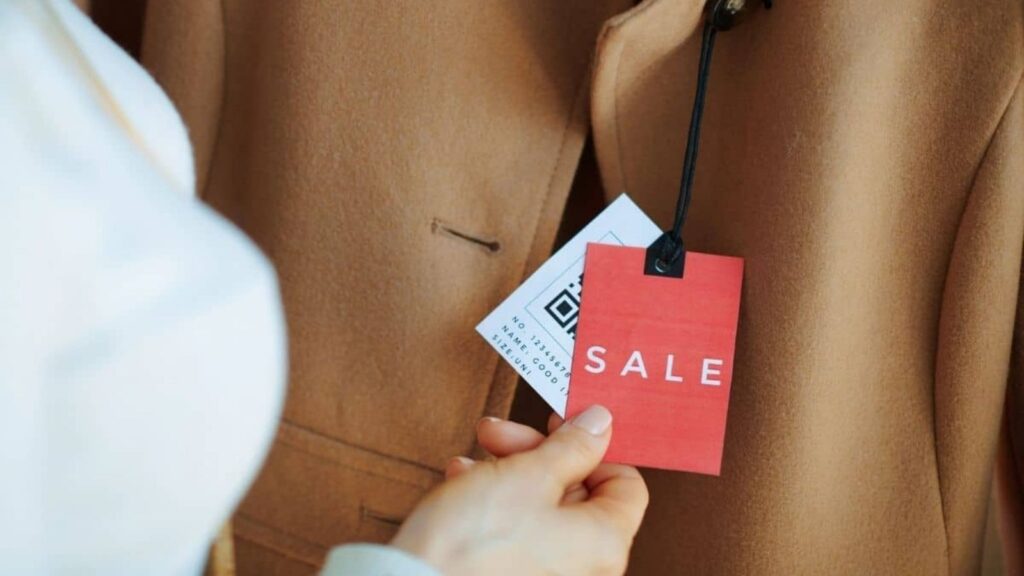
Retailers were already set up for a shopper like this. Store brands used to be what you bought when you couldn’t afford the real thing, but the same survey shows nearly a third of shoppers now choosing private label to save money, with 32% switching to cheaper brands outright. Trading down doesn’t read as settling anymore.
Fashion brands are making a similar bet. McKinsey and the Business of Fashion point to a version of the same shift, with labels leaning on quality and better in-store experience to justify their prices instead of racing toward discount pricing.
The influencers cashing in either way
The irony is that a creator can post haul videos or anti-haul videos and profit from both, since each format runs on the same engagement model. Diana Wiebe, who posts de-influencing videos to more than 200,000 followers, has pointed out that influencers showing off expensive stuff are often gifted the products or paid to feature them. That makes their spending unrealistic for most people watching.
Some viewers went further, calling the glossier videos poverty cosplay, accusing well-off creators of performing frugality for the camera.
None of this means the restraint is fake. People really are spending more carefully and skipping the extras. It just means wanting less didn’t shut down the machine built to sell you things; it gave that machine a gentler script.
The next round of “underconsumption” content is already being filmed and scheduled, ready to meet you in the same mood that made the last round feel real. Noticing that might be the simplest thing you do all day.