
Meaty ruby cubes of beef glisten on the store shelves, promising chunky stews and soups. But stew meat isn’t one cut of beef, and the package doesn’t say which cuts went into the tray. Some cuts only become tender after long, slow cooking in liquid, while others are tender to begin with. A few steps at home can help, but what cut of beef each cube is remains a question.
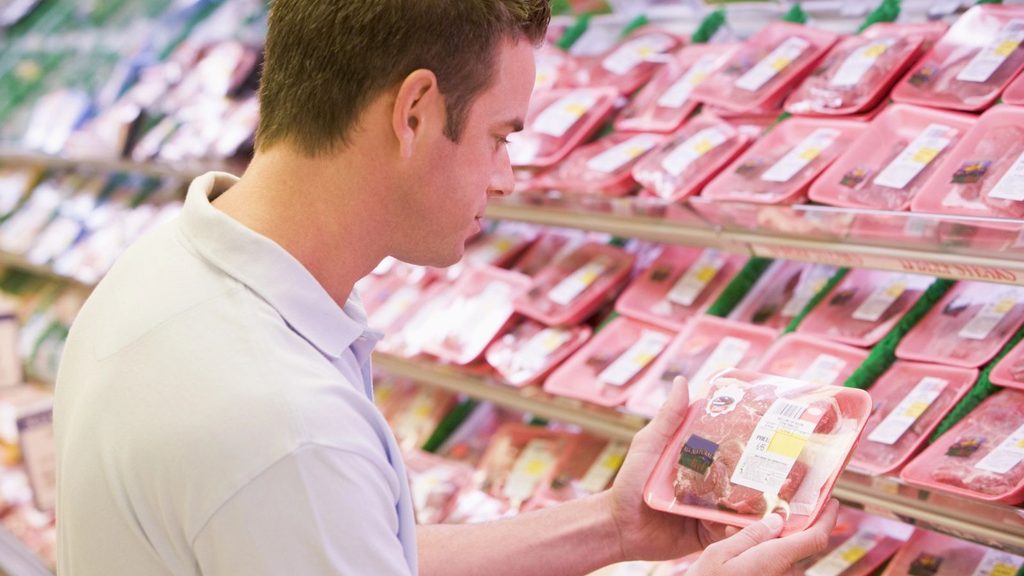
Stores group retail beef cuts by primal, the large wholesale section of the animal they come from. Federal meat purchase specifications serve as the baseline for the retail naming system, and federal labeling reviewers treat them as the acceptable source for cut names. Beef for stew falls in the “Various” category with cubed steak and ground beef. That group holds items that do not come from a single primal.
What federal rules and specifications cover
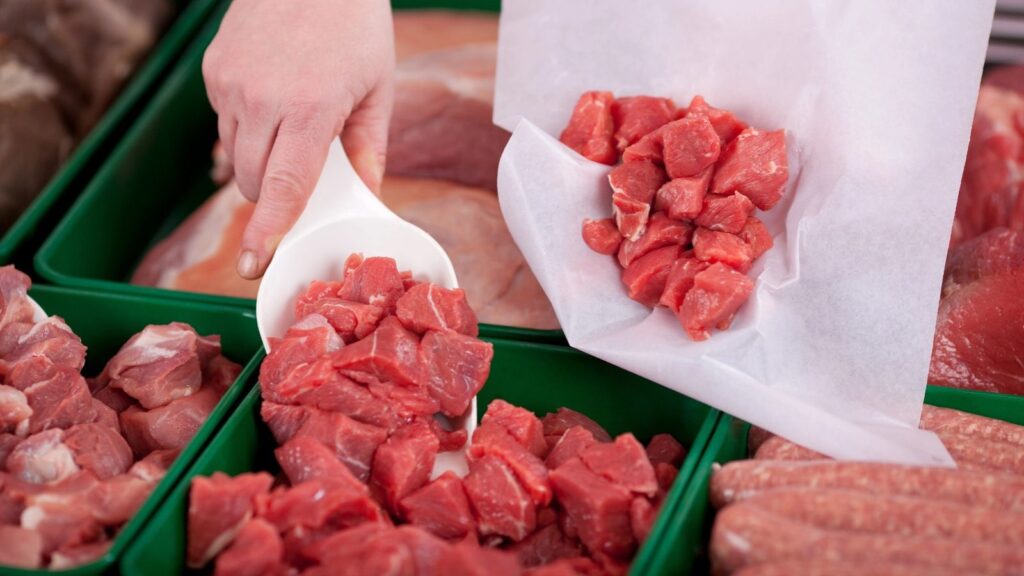
The federal government’s buying specification for stewing beef sets a cube size and a fat limit but names no cut. The specification requires at least 85% of the meat by weight to come in cubes between 0.75 and 1.5 inches, with no more than 0.25 inch of surface or seam fat. Dicing can happen by hand or machine but grinding cannot, and the beef can come from any part of the carcass. The meat may be frozen or tempered once to make dicing easier. Only the shank, heel meat and detached skin muscles are off limits unless a buyer asks for them.
Diced beef in the same specification asks for 75% in that size range and allows up to 0.5 inch of fat, while kabob beef asks for 90% in cubes of 1 to 1.5 inches with no more than 0.125 inch. None of the three sets a fat percentage. The specification limits fat by thickness alone, and no piece may measure more than 2.5 inches on any surface. Retail guides describe stew meat differently, as lean, uniform cubes that usually measure 1 to 1.5 inches with little fat. Large buyers such as schools and restaurants order meat by these voluntary specifications.
A federal rule requires raw beef tenderized with needles or blades to say so in its product name. The rule also requires cooking instructions with a minimum internal temperature. Those instructions must say whether the meat has to stay at that temperature for a set time, so harmful germs die throughout the product. The label must also say to check that temperature with a food thermometer. Inspection guidance for retail stores exempts diced raw tenderized beef, such as stew meat. A tray of cubes therefore does not have to say whether anyone tenderized the meat.
Why different cuts cook differently
Cooks make classic beef stew with tough cuts from muscles an animal uses constantly.Those muscles have more flavor and more collagen, the connective tissue that holds muscle fibers together. For beef, the cuts that suit braising, which means cooking slowly in liquid in a closed pot, include chuck, flank, brisket, rump and round, so a rump roast suits the method.
A study of eight beef cuts found that what drives tenderness differs from cut to cut. Aging strongly affected four of them, including shoulder clod and eye of round. Tenderness in top sirloin butt depended on fat content, and in brisket it depended on how dense the connective tissue was. A meat scientist who discussed the work said knowing those drivers could help the industry teach shoppers how to handle each cut.
Many cuts from the round or chuck have more collagen and are less tender. Slow, moist heat turns that collagen into gelatin, while dry, high heat toughens it. Gelatin also makes cooking liquid set as it cools. Two chuck cuts, flat iron and Denver, are tender, so the same primal holds both tough and tender cuts.
How to make packaged stew meat work
Recipes ask for specific things, and cube size is often one of them. A cook can recut oversized cubes at home, since the buying specification lets as much as 15% of the meat fall outside its size range. A university food science lab manual has students cut stew meat into 0.75-inch pieces, then brown the cubes before simmering them covered for about 1 to 1.5 hours.
Browning small pieces of meat in batches keeps them from steaming, and searing builds flavor without sealing in juices. Boiling a stew toughens and shrinks the muscle fibers and leaves the beef very chewy. A gentle simmer at 180 to 190 degrees Fahrenheit avoids that.
Ask what’s in the tray
Beyond cube size and fat, the buying specification asks that stewing beef arrive free of bones, cartilage, heavy connective tissue and lymph glands. Nothing on that list names a muscle, so a shopper who wants to know has to ask the meat counter which cut went into the tray and whether anyone tenderized the cubes.
Jennifer Allen is a retired professional chef and long-time writer. Her work appears in dozens of publications, including MSN, Yahoo, The Washington Post and The Seattle Times. These days, she’s busy in the kitchen developing recipes and traveling the world, and you can find all her best creations at Cook What You Love.