
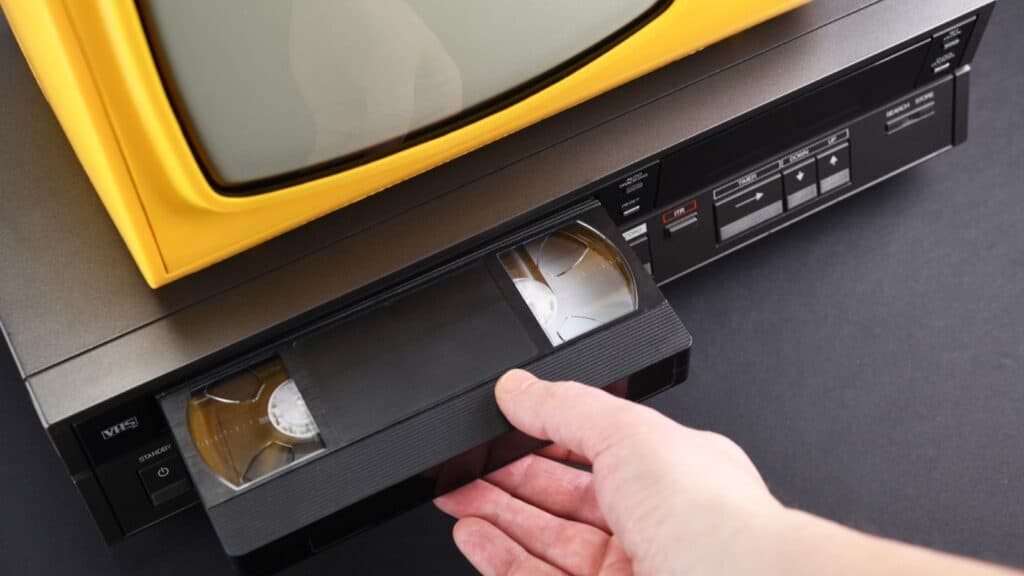
Recording a TV show on VHS could turn an ordinary evening into a small technical project. You had to pick the right tape, choose a recording speed, set the clock or timer and hope nobody changed the channel at the wrong moment. If you remember hovering near the VCR with one finger ready for PAUSE, these details probably feel familiar.
The Blinking 12:00
That flashing display became a joke for a reason. A 1994 Wirthlin Group survey found that 16% of VCR owners had a machine flashing 12:00 continuously, while 79% said their VCR showed the correct time. If your household ignored the clock, you had plenty of company.
Tracking That Never Quite Sat Still
An old or worn tape could send noise bars across the picture. VCR manuals told users to override automatic tracking and adjust it manually until the image improved. Depending on the machine, that meant tapping tracking or channel buttons until the snow, streaks or jitter settled down.
When the VCR Ate the Tape
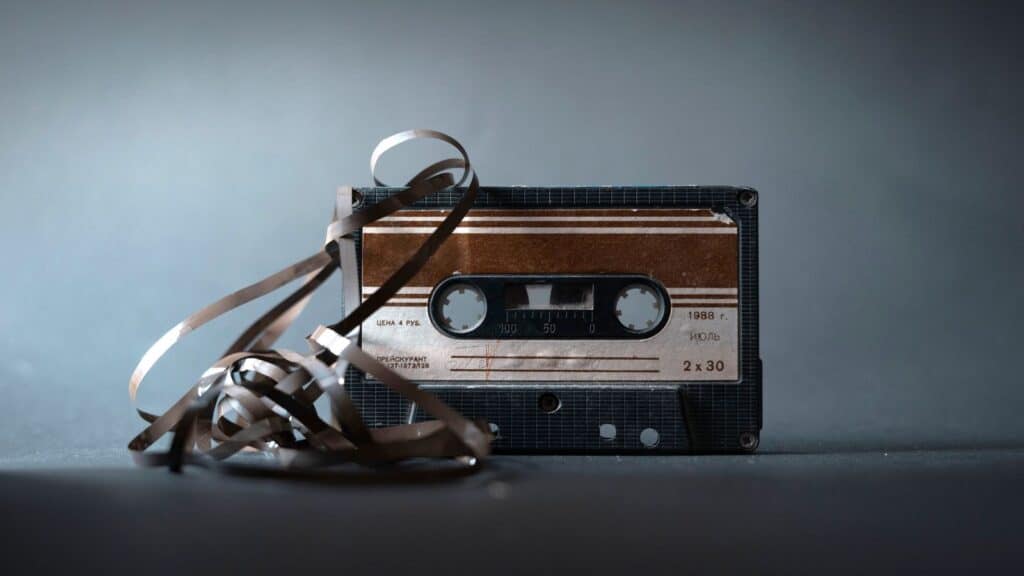
A jam could leave a loop of magnetic tape hanging out of the cassette. Repair guidance explains that slack tape can be wound back by turning a reel, sometimes while pressing the release button on the cassette bottom with a pencil. The important part was not forcing anything. If the tape was not torn or badly crinkled, it could often survive.
The SP or EP Decision
Tape speed could decide whether you captured the whole program. On a T-120 cassette, SP gave two hours of recording time while EP stretched that to six. SP delivered better picture and sound quality, so longer recordings came with a trade-off you could actually see.
Recording Over the Wrong Tape
The danger was real, but a mistaken press of RECORD did not instantly wipe an entire cassette. A previous recording was erased and replaced as new material was recorded over it. That was still painful if the tape held a birthday, a school play or a favorite episode you meant to keep.
Pausing Through Commercials
Skipping commercials could be a hands-on job. A Hitachi VCR manual even told users how to skip commercials by pressing PAUSE when an ad began, then pressing it again when the program returned. Good timing gave you a cleaner tape. Bad timing left part of the ad or clipped the first seconds of the show.
The Write-Protect Tab
The little plastic tab on a VHS cassette was cheap insurance. Break it off and the VCR would no longer record on that tape. If you changed your mind later, covering the opening with adhesive tape made recording possible again. Important home videos often earned a missing tab as soon as the recording was finished.
Handwritten Labels Everywhere
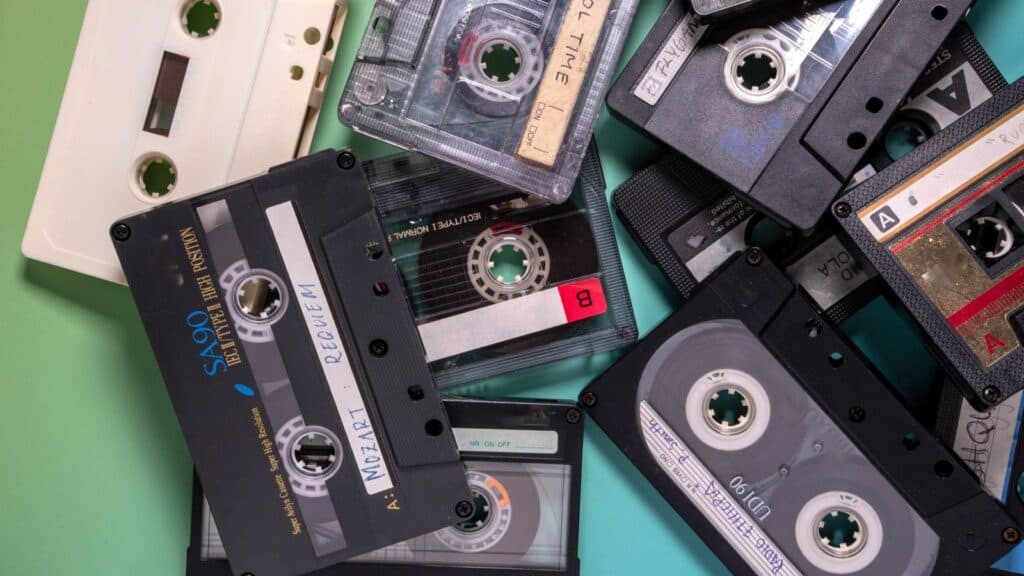
VHS cassettes were built for labeling. The front and spine had recessed areas designed for adhesive labels, which helped turn a pile of identical black cassettes into something searchable. A marker, a date and a hurried show title could become the family catalog.

Shelves Full of Tape Spines
A growing VHS collection took up real space. VCR guidance recommended that cassettes be stored upright in cases, which left the labeled spines facing out like books. Finding a recording meant scanning those handwritten titles, pulling a case from the shelf and hoping the tape inside matched the label.
The Betamax vs. VHS Fight
Betamax arrived first and put more emphasis on compact size and picture quality, while VHS entered the market with a longer recording capacity. Sony’s own history says VHS also benefited from supply deals with major electronics makers and a larger catalog of titles. In 1988, Sony began selling VHS-compatible products too.
VCR Plus+ Codes in TV Guide
VCR Plus+ programming let you enter a PlusCode printed beside a program in TV Guide or selected newspaper listings. The VCR used it to set much of the timer recording information. The clock and channel setup still had to be right, but the code cut out a lot of manual programming.
Getting the Recording Right Felt Like a Skill
VHS recording asked you to understand the machine in a way modern streaming rarely does. The reward was not just having the show later. You had made the recording happen through timing, choices and a little patience. That extra effort is probably why a handwritten tape can still bring back more than whatever program happens to be on it.