
Thanksgiving leftovers can turn your fridge into a crowded collection of turkey, creamy casseroles, and pumpkin pie before you’ve even finished washing the dishes. But how long can you keep those holiday favorites before they become a food safety risk, and does that leftover cranberry sauce follow the same rules as your gravy? USDA storage guidelines help settle the debate, showing which foods need attention after a few days and which can safely stay refrigerated longer when stored properly.

Cooked Turkey: 3 to 4 Days
Leftover roasted turkey keeps for 3 to 4 days in a refrigerator at 40°F or below, according to USDA guidance. Slice it into smaller portions and refrigerate promptly. Reheat portions to 165°F. Freeze what you won’t eat within that window rather than waiting for the fourth day to decide.
Stuffing: 3 to 4 Days
Stuffing shares turkey’s 3-to-4-day refrigerated window under USDA holiday advice. If you cooked it inside the bird, remove it and store it separately in a shallow container. Reheat to 165°F, and discard stuffing that spent more than 2 hours at room temperature.
Gravy: 3 to 4 Days in Current Guidance
Current USDA holiday guidance groups gravy with turkey and stuffing at 3 to 4 days. Older USDA-derived advice has said 1 to 2 days, so you may encounter both ranges. Refrigerate it promptly, and bring gravy to a full boil when reheating. Choose the shorter window if you want a cautious approach.

Mashed Potatoes: 3 to 4 Days
Mashed potatoes with butter or milk are perishable cooked leftovers. Apply USDA’s 3-to-4-day guidance when they’re refrigerated promptly at 40°F or below. Spread a large batch into shallow containers so it cools quickly. Don’t rely on the surface feeling cold while the center stays warm.
Green Bean Casserole: 3 to 4 Days
Green bean casserole belongs with cooked, perishable side dishes, not with pantry-stable canned vegetables. Following the general leftover rule, eat or freeze it within 3 to 4 days. The crunchy onion topping might soften sooner, but texture cannot tell you whether bacteria have grown.
Egg-and-Cheese Casseroles: 3 to 4 Days
For baked casseroles containing eggs, the FoodSafety.gov chart gives 3 to 4 days in the refrigerator. That applies to the baked egg-casserole category, not every sweet potato dish regardless of recipe. Refrigerate within 2 hours after serving and use shallow containers for large portions.
Pumpkin Pie: 3 to 4 Days
Homemade pumpkin pie contains eggs and needs refrigeration. The official storage chart lists 3 to 4 days after baking for pumpkin or pecan pies. A commercially packaged pie displayed at room temperature may have different instructions, so read its label instead of assuming it follows homemade-pie guidance.
Cut Fruit: Check the FoodKeeper Category
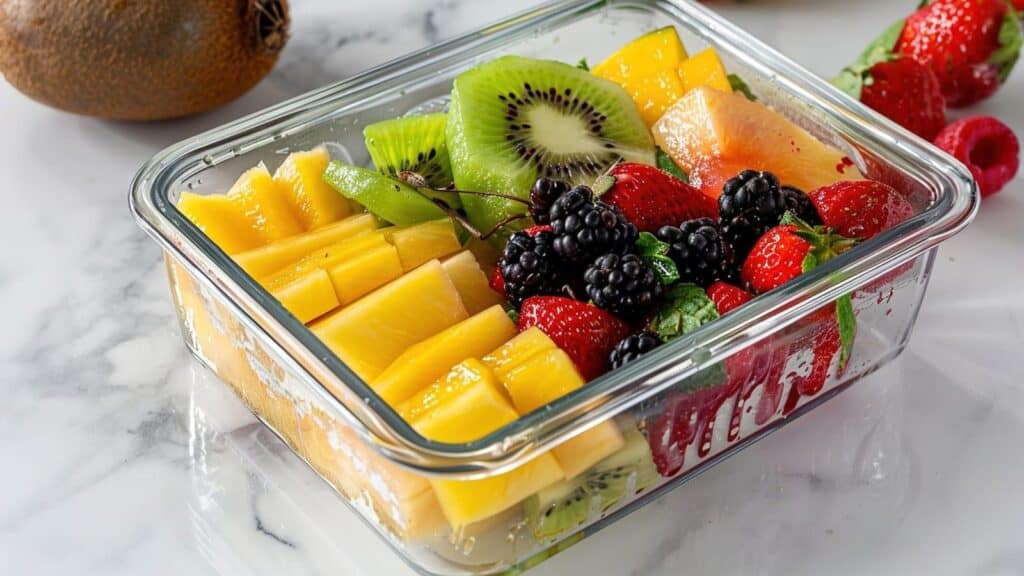
Sliced fruit needs more care than whole fruit left on a counter. The USDA-backed FoodKeeper tool has product-specific storage estimates, including a four-day entry for cut fruit after opening. That’s not a guarantee for a fruit platter that sat out during dinner. Refrigerate cut fruit promptly and discard it after unsafe room-temperature exposure.
Opened Cranberry Sauce: Follow the Package
Opened commercially prepared cranberry sauce can last longer than cooked turkey. FoodKeeper’s product guidance gives 1 to 2 weeks for the opened product, but that is not a universal rule for homemade cranberry relish. The FoodKeeper guidance focuses on storage and quality; follow package directions and keep opened sauce refrigerated.
Plain Dinner Rolls: Watch for Mold
Plain baked yeast rolls don’t follow the same safety clock as turkey gravy. FoodKeeper gives a one-week refrigerated estimate for baked yeast rolls, primarily as a storage-quality guide. Check FoodKeeper for the bread category, and throw out moldy rolls. Rolls filled with meat or dairy need different handling.
Whipped Cream: The Container Matters
Fresh sweetened whipped cream and aerosol whipped cream aren’t interchangeable. FoodKeeper lists one day for sweetened whipped cream and 3 to 4 weeks from purchase for aerosol real whipped cream. The longer estimate does not restart each time you use the can. Check its label, keep it refrigerated as directed, and use FoodKeeper for the relevant product type.
The Clock Starts Before You Close the Fridge
A date on a container only helps when the food reached the refrigerator in time. If Thanksgiving dishes sat out too long, another day in the cold can’t undo that risk. Pack leftovers in shallow containers, mark when you refrigerated them and freeze extra portions early. That simple routine protects both your holiday meal and the people coming back for seconds.