
American travelers bring a pretty specific set of habits to a restaurant table abroad. Most of those habits don’t survive the flight. Order the way you do at home, and you might get a puzzled look instead of what you asked for. Here’s what to leave behind on your next trip.

At the table
1. Free soda refills
Bottomless soda feels normal at plenty of American restaurants, but do not expect the same deal everywhere. In France, unlimited access to drinks with added sugar or artificial sweeteners is prohibited when offered free or for a flat price.
2. A glass packed with ice
An American fountain drink can arrive with ice nearly to the rim. In parts of Europe, iced drinks are less common, and a soda may come with only a few cubes. Ice exists, but the oversized American version is not something to assume.
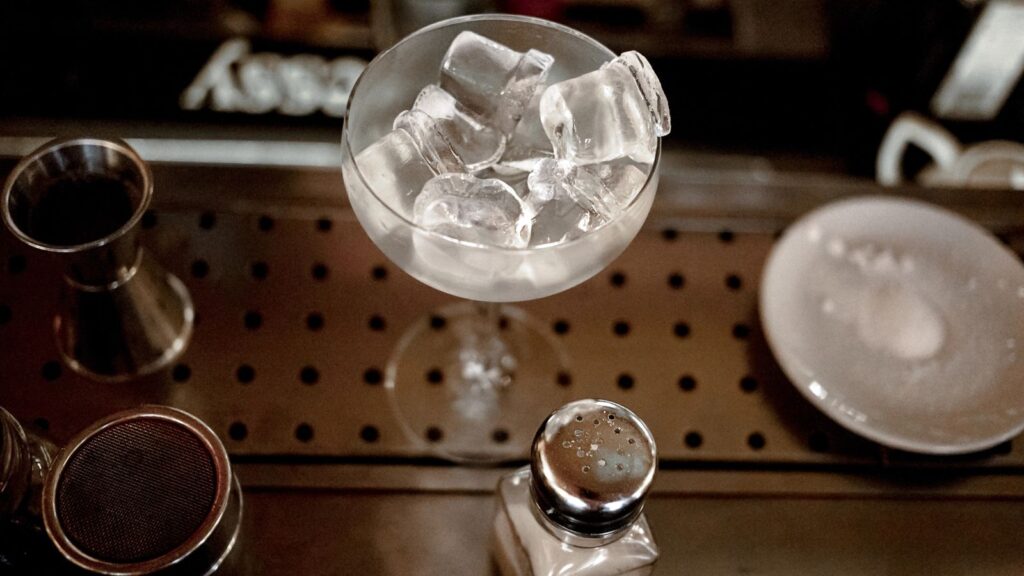
3. Tap water appearing automatically
Sit down at a U.S. restaurant and water often arrives before you ask. In France, restaurants must provide free tap water to customers eating there. France’s official tourism guidance says diners receive a free carafe d’eau on request. Ask rather than waiting for glasses to appear.
4. Separate checks for everyone
Splitting a restaurant bill by exactly what each person ordered is familiar in the U.S. In France, separate item-by-item payment is not the usual custom. One person may pay, or the total may simply be divided among the diners.
5. Dinner at 6 p.m.
An early dinner can feel normal at home. In Spain, it may feel surprisingly early. The country’s official tourism site says dinner hours generally run from 8 p.m. to 11 p.m. Tourist areas can be more flexible, but local dining hours still run later than many Americans expect.
6. American-style garlic bread in Italy
That buttery loaf covered with garlic and herbs is familiar at Italian-American restaurants. In Italy, that style of garlic bread is not part of traditional cuisine. Bruschetta is the closer local cousin, usually made with toasted bread, olive oil, and simple toppings.
Everyday conveniences that are less automatic
7. Air conditioning as standard
Americans may assume a hotel room or apartment will have air conditioning, especially in summer. Across Europe, that is less certain. The European Commission says space cooling is still uncommon compared with the U.S. Check the property listing before a hot-weather trip.
8. Coffee to go as the default
Grabbing coffee in a paper cup on the way to work is ordinary in the U.S. Italy has a different coffee habit. Italian coffee company Portioli describes takeaway coffee as a later arrival, while many Italians still prefer espresso at the bar. You can find it, but it is not the classic experience.
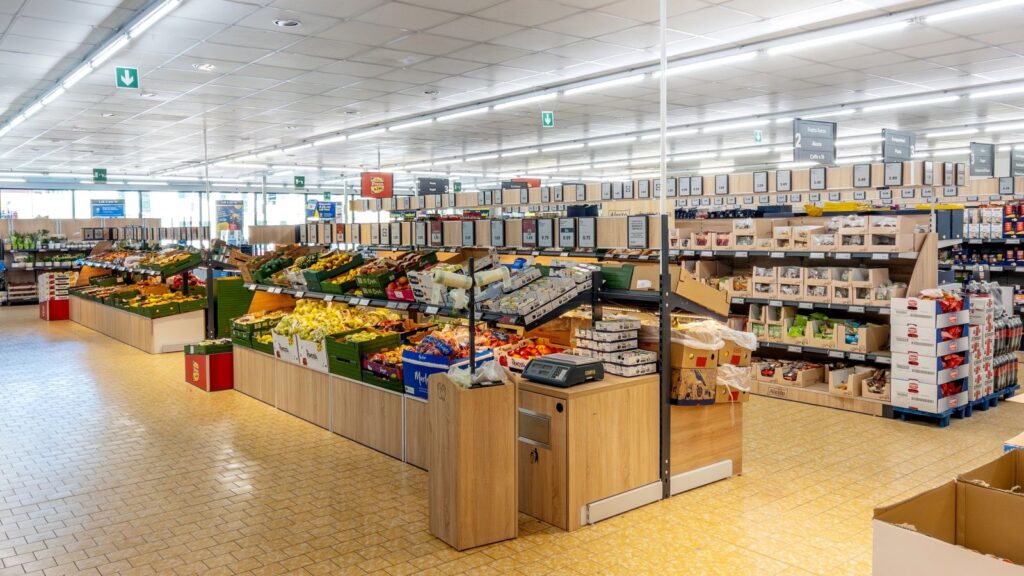
9. A 24-hour supermarket nearby
Late-night grocery runs are easy to take for granted in many American cities. Vienna offers a sharp contrast. Current retail-opening rules allow general shops to open from 6 a.m. to 9 p.m. Monday through Friday and from 6 a.m. to 6 p.m. Saturday, with limited exceptions. A normal 24-hour supermarket is not the standard option.
These differences can be inconvenient at first, but they are also part of travel. Check the local routine, adjust your expectations, and enjoy doing things the local way.